“Overall, the Coast Guard budgeted $7.8 billion for operating expenses, including pay; $1.9 billion to recapitalize equipment; and $1.9 billion in mandatory spending and fees.”
It includes $750M for the first new heavy icebreaker; $400M for the second OPC and long lead time items for the third; and $240M for four Webber class.
Seapower, a Navy League Magazine and web site, reports, the Coast Guard issued a Request for Proposal on February 7, for “Indefinite Delivery Indefinite Quantity Competitive and Unrestricted Commercial Services Combined Synopsis/Solicitation for Unmanned Aircraft Systems for National Security Cutters (NSCs) for the United States Coast Guard.” Proposals are due by March 9. (Pretty quick turn around.)
In particular they identify two competing systems, the Scan Eagle from Insitu and Textron Systems Aerosonde sUAS. We have been talking about the Scan Eagle for almost seven years. Also the Coast Guard has been using Scan Eagle operationally, but since we have not talked about the Aerosonde I thought, perhaps we should take a look.
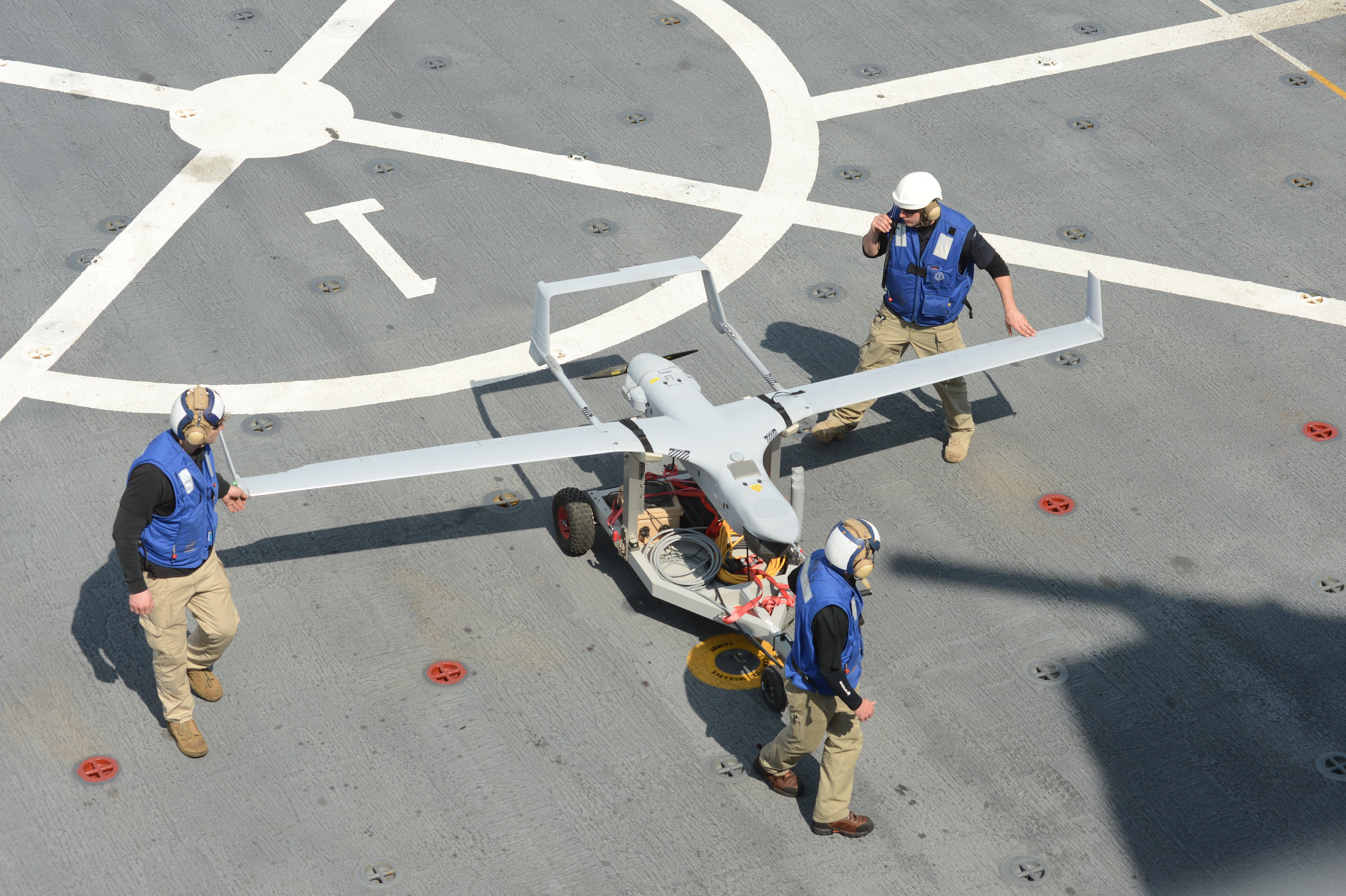
For a rough comparison, Scan Eagle has a max Take Off Weight 44-48.5 lb. (22 kg), Aerosonde has a max TO weight of 80 lb (36.4 kg), and the RQ-21A Blackjack a max TO weight of 135 lb (61.4 kg).
GULF OF MEXICO (Feb. 10, 2013) Members of the RQ-21A Small Tactical Unmanned Air System (STUAS) test team transport the RQ-21A across the flight deck of the amphibious transport dock USS Mesa Verde (LPD 19) after its first flight at sea. Mesa Verde is underway conducting exercises. (U.S. Navy photo by Mass Communication Specialist 3rd Class Sabrina Fine/Released) 130210-N-NB538-195
“The U.S. Coast Guard customer has expressed unique technology and operational requirements in its Small Unmanned Aircraft Systems (SUAS) RfP,” so we are not simply going to buy what the Navy already has. Using the usual optical systems is like looking through a straw. I expect the Coast Guard is going to want an area search capability, radar or perhaps ViDAR.
Figuring out how best to use these is going to be an interesting Operations Research problem. What search pattern? at what altitude? How far out can we fly these and still communicate and have the cutter provide sense and avoid to prevent a mid-air?
The following is a news release quoted in full. Frankly I think it is a good thing that we are reporting the problems rather than just happy news. The public and our law makers in particular need to understand that we are putting people, and the mission, in danger because we are making do with overage systems that should have been replaced long ago. Incidentally, USAP is apparently U.S. Antarctic Program.
This additional note was attached to the release, “Editor’s Note: All dates and times are in New Zealand Daylight Time, which is 21 hours ahead of Pacific Standard Time and 24 hours ahead of Eastern Standard Time. Video of the Cutter Polar Star’s operations are available by clicking the thumbnails above or clicking here and here. Photos from the cutter’s operations by clicking the thumbnails above or clicking here. ”
MCMURDO STATION, Antarctica – The crew of U.S. Coast Guard Cutter Polar Star completed their mission Tuesday in support of National Science Foundation (NSF) after cutting a resupply channel through 15 miles of Antarctic ice in the Ross Sea and escorting supply vessels to the continent.
The Polar Star sailed from Seattle to assist in the annual delivery of operating supplies and fuel for NSF research stations in Antarctica during Operation Deep Freeze by carving a navigable path through seasonal and multi-year ice sometimes as much as 10-feet thick. Operation Deep Freeze is the logistical support provided by the U.S. Armed Forces to the U.S. Antarctic Program.
“Although we had less ice this year than last year, we had several engineering challenges to overcome to get to the point where we could position ourselves to moor in McMurdo,” said Capt. Michael Davanzo, the commanding officer of the Polar Star. “Our arrival was delayed due to these challenges, but the crew and I are certainly excited to be here. It’s a unique opportunity for our crewmembers to visit the most remote continent in the world, and in many respects it makes the hard work worth it.”
On Jan. 16, Polar Star’s shaft seal failed causing flooding in the cutter’s engine room at a rate of approximately 20-gallons per minute. The crew responded quickly, using an emergency shaft seal to stop the flow of freezing, Antarctic water into the vessel. The crew was able dewater the engineering space and effect more permanent repairs to the seal to ensure the watertight integrity of the vessel. There were no injuries as a result of the malfunction.
Flooding was not the only engineering challenge the crew of Polar Star faced during their trek through the thick ice. On Jan. 11, their progress was slowed after the one of the cutter’s three main gas turbines failed. The crew uses the cutter’s main gas turbine power to breakup thick multi-year ice using its propellers. The crew was able to troubleshoot the turbine finding a programing issue between the engine and the cutter’s 1970s-era electrical system. The crew was able to continue their mission in the current ice conditions without the turbine.
“If the Polar Star were to suffer a catastrophic mechanical failure, the Nation would not be able to support heavy icebreaker missions like Operation Deep Freeze, and our Nation has no vessel capable of rescuing the crew if the icebreakers were to fail in the ice,” said Vice Adm. Fred Midgette, commander, U.S. Coast Guard Pacific Area in Alameda, California. “The crewmembers aboard Polar Star not only accomplished their mission, but they did so despite extreme weather and numerous engineering challenges. This is a testament to their dedication and devotion to duty.”
The cutter refueled at McMurdo Station Jan. 18 and continued to develop and maintain the ice channel in preparation for two resupply ships from U.S. Military Sealift Command, Ocean Giant and Maersk Peary. The crew of Polar Star escorted the vessels to the ice pier at McMurdo Station, an evolution that requires the cutter to travel about 300 yards in front of the supply ships to ensure they safely make it through the narrow ice channel. The crew escorted the Ocean Giant to the ice pier at McMurdo Jan. 27 and conducted their final escort of the Maersk Peary to Antarctica Feb. 2. The crew escorted Maersk Peary safely out of the ice Feb. 6 after supply vessel’s crew transferred their cargo.
The Polar Star departed their homeport in Seattle Nov. 30, 2017, and are expected to return to the U.S. in March 2018. The 399-foot Polar Star is the only operational heavy icebreaker in the U.S. fleet. The cutter, which was built more than 40 years ago, has a crew of nearly 150 people. It weighs (displaces–Chuck) 13,500 tons and uses 75,000 horsepower to break ice up to 21 feet thick.
The U.S. military is uniquely equipped to assist the National Science Foundation in accomplishing its USAP mission. This includes the coordination of strategic inter-theater airlift, tactical intra-theater airlift and airdrop, aeromedical evacuation support, search and rescue response, sealift, seaport access, bulk fuel supply, port cargo handling, and transportation requirements supporting the NSF, the lead agency for the USAP.
The Coast Guard has a rich military history, but we should recognize that, while we may be an “armed service,” we are not prepared for war.
We took the opportunity presented by the apparent end of the Cold War in the early ’90s to cut cost and overhead by removing recently installed anti-submarine warfare (ASW) and Harpoon launching equipment from the 378s and eliminating entire Sonar Tech (ST) rating.
Unfortunately, the holiday from worrying about a possible major conflict is over. China is challenging us, and Russia is resurgent. While it appears the Coast Guard has planned to provide some resources to address contingencies, it also appear we have no real direction as to what the Coast Guard will do if we have a major conflict. Certainly the new major cutters, the NSCs and OPCs, could be turned into credible escort vessels, but it would take months and their crews would need to be trained.
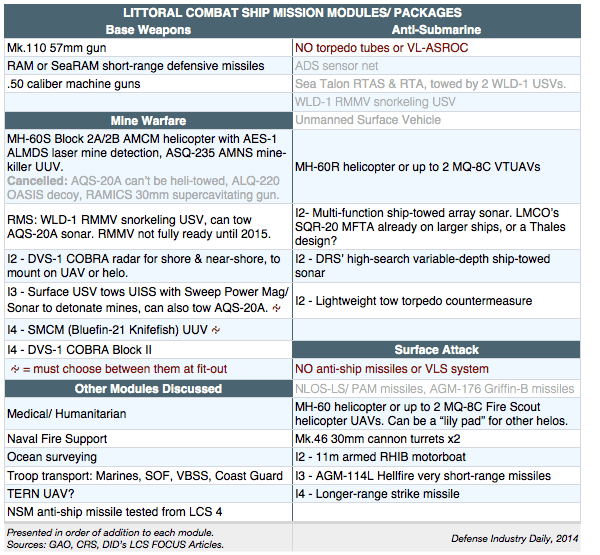
The development of modular systems for the Littoral Combat Ships (LCS) may provide a mechanism for rapidly upgrading our ships while Navy Reserves might provide the personnel and expertise to cut mobilization time from months to weeks.
The Navy currently has over 100,000 reservists, either Selected Reservists or Individual Ready Reservist, subject to recall. A number of them have expertise not resident in the Coast Guard, but useful upon mobilization. At one time these reservists might have gone to man Navy reserve frigates, but there are currently no navy combatants in reserve. As the number of LCSs increase the number of reservists with experience operating and maintaining the mission modules will increase. In addition all LCSs have two complete crews, so in wartime when they will presumably stop rotating crews, they will have an excess of active duty crews training in the mission module systems.
The primary mission modules planned for the LCSs are Anti-Submarine Warfare (ASW), Anti-Surface Warfare (SuW), and Mine Counter-Measures (MCM). It would not take much to make cutters capable of accepting all or parts of these mission modules, perhaps an OPC “B” class and during overhauls.
There is a very real possibility of inter-service synergy here.
A mission package of equipment, aircraft, sensors, and personnel could be loaded aboard for exercises, providing training for both the Navy and Coast Guard personnel.
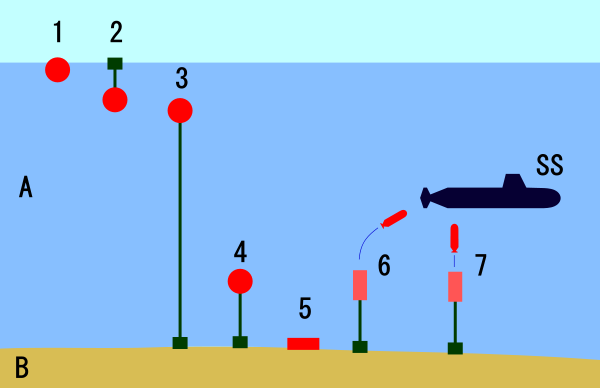
The acoustic sensors from the ASW module might be deployed on a cutter bound for a drug interdiction mission in the Eastern Pacific, to help locate drug running semi-submersibles or if they are out there, submarines.
There are very few Navy mine counter measures assets in the US and those we have are not spread out geographically. If there were to be a peacetime mining incident in US waters, it might be possible to airlift an MCM module to the nearest cutter to allow the problem to be dealt with more quickly.
The Office of Cutter Forces, CG-751 has issued an updated edition of “The Coasties’ Guide to the Merchant Mariner Credentialing Process.” you can see it as a pdf here.
The February 2018 issue of US Naval Institute Proceedings has a couple of articles of interest. You can access the first on line, Coast Guard Defines “All Hands On Deck,” by Capt. Bruce Jones, USCG (retired)
Neither catastrophic disasters nor the national need for a Coast Guard with the capacity and capability to respond vigorously and effectively are going away. The next few decades likely will bring the challenge of multiple, simultaneous major events.
The Coast Guard repeatedly has demonstrated it has the unique skills, organizational culture, and legal authorities to move swiftly into a disaster zone and take effective action at the tactical, operational, and strategic levels, but no longer can it take disaster operations out of hide. It is time to recognize and fund disaster response as a core Coast Guard mission and build the bench strength—in people and assets as well as experience and qualifications—to sustain surge operations without degrading readiness and normal operations unacceptably.
I had an online discussion with Bill Wells in which he pointed out to me that Disaster Response may be a Department of Homeland Security mission through FEMA, but that it is not specifically a Coast Guard mission. Even the Navy has embraced this mission. They call it Humanitarian Assistance/Disaster Relief (HA/DR). Note the pdf linked here is probably out of date. It also does not mention the Coast Guard.
Milburn contends that the Coast Guard is missing opportunities both for training and operational employment of their EW systems and suggests several steps to make better use of the systems.
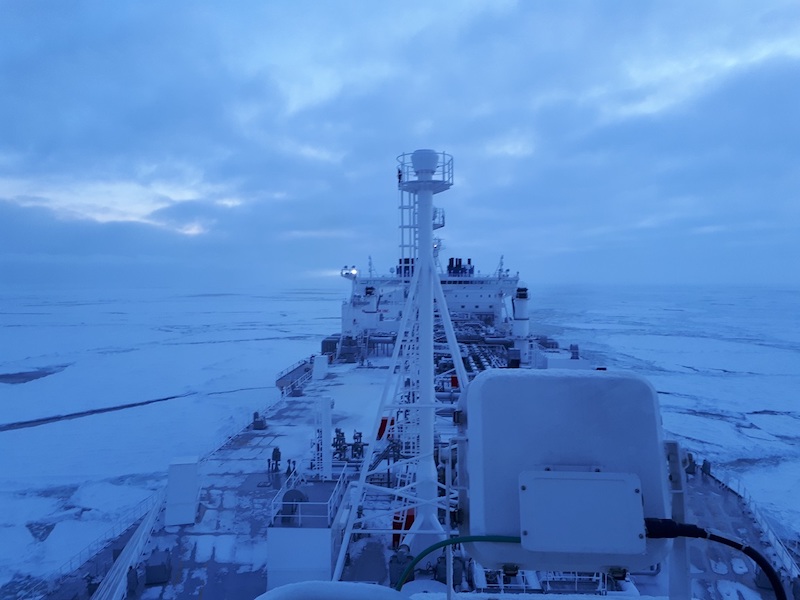
LNG transport vessel Eduard Toll transiting the Northern Sea route without icebreaker escort, December/January 2017/18
gCaptain provides proof we can expect to see merchant vessel transits of the Arctic Ocean even in Winter time.
“At times during the trip, the unescorted Eduard Toll broke ice 1.8 meters thick at speeds of five knots astern, arriving at Sabetta ahead of schedule sometime in early January. “
The Eduard Toll is one of a class of six being built in S. Korea for a Russian/Chinese joint venture.
The Modern War Institute at West Point has an excellent exploration of what the new National Security Strategy could mean to the Coast Guard, written by Cdr. Kevin Duffy, USCG. It says everything I had hoped to say about this new direction and more.
“With the release of the 2017 National Security Strategy, however, the Coast Guard has been presented with an opportunity to maximize its value to a government that appears to be taking a different view on which activities and capabilities should be emphasized in the national security realm.
“…As the NSS indicates that such activities in support of its homeland and border security goals will receive “advanced technology [and] the employment of additional personnel,” smart adjustments by the Coast Guard could well bolster the case for force expansion and increased interagency support in order to continue and expand its efforts.
“…Under this same homeland umbrella, the NSS likewise stresses the importance of transportation security and domestic resilience—both areas in which the Coast Guard can embrace leadership roles.”
“…In terms of domestic resilience, the Coast Guard has expansive disaster response and incident command capabilities and responsibilities for maritime incidents, and would be a natural leader in working with industry and state and local partners to enhance capabilities in the NSS’s identified areas of risk management, planning, preparedness, and information sharing.
“… The fact that this NSS explicitly acknowledges the links between terrorist networks and criminal, drug, and “other irregular threats” should not go unnoticed: it gives the Coast Guard the opportunity to emphasize its unique capabilities, partnerships, and successes in this realm. References to threats and operations “below the level of conventional military conflict” or “below the threshold of military conflict” appear four times in this strategy. If that’s a niche that the government now wants to emphasize, the Coast Guard needs to be in the vanguard of associated efforts.
“…Specifically, the idea of a squadron of Coast Guard patrol boats dedicated to operations in Central America has been favored by Coast Guard leadership in recent years. Perhaps the initiatives that this NSS envisions as being necessary to disrupt criminal networks (and, by extension, illicit actors including terrorists) will provide the needed justification to make it a reality.
“…There has perhaps never been a better opportunity for the Coast Guard to assert itself in terms of its national security roles, whether in protecting the nation’s borders or operating in the cyber realm, in protecting maritime infrastructure or safeguarding the domestic energy sector, in leading the effort to make ports resilient or disrupting criminal and terrorist networks throughout the Western Hemisphere. With this in mind, the service should intelligently respond to the 2017 NSS by reforming and articulating the impact of current efforts and refocusing or innovating in areas that it did not previously emphasize. In this way, the Coast Guard can usher in an era of more robust and effective operations in the national security sphere, making the most of its unique nature in order to protect the country on a host of important fronts.
I have picked out on a small part of this post. Please take a look.
It seems, after a rocky start, the Coast Guard has gotten the President’s attention, and I don’t think he will listen blindly to GAO’s preconceptions of the Coast Guard’s place in the National Security apparatus. It truly may be time to take the Homeland Security missions seriously.
Two posts have recently appeared that make a case for Coast Guard involvement in Mine Counter-Measures (MCM) in peacetime. “Terror in the Water: Maritime Terrorism, Mines, and our Imperiled Harbors,”Second Place Mine Warfare Essay Contest, sponsored by the U.S. Naval Institute with the Mine Warfare Association. by Lieutenant (junior grade) Daniel Stefanus, U.S. Navy, advocates a stronger working relationship between the Navy and Coast Guard, mentioning the Coast Guard 13 times in a relatively short essay.
The January 2018 USNI Proceedings has a short post, “Coast Guard Needs Mine Countermeasures,” by Peter von Bleichert, suggesting that the Coast Guard has a mission implicit in its Ports, Waterways, and Coastal Security mission to deal with Naval mines and underwater improvised explosive devices (M/UWIED) and that the Coast Guard should be equipped and trained for the mission.
“Hardware for a Coast Guard mine countermeasures (MCM) capability could be harvested from the Navy’s Littoral Combat Ship MCM mission package, which existing or planned Coast Guard platforms could use in part or as a whole. These platforms could include hulls such as coastal and seagoing buoy tenders, the National Security and Offshore Patrol Cutters, and Coast Guard aircraft, both fixed- and rotary-wing. Training Coast Guardsmen for MCM operations could be concurrent with that of Navy sailors. As shown during the 2014 International Mine Countermeasures Exercise in the Arabian Gulf and the 2015 Field Training Exercise in homeland waters, the U.S. sea services already train and exercise together for such operations. Further combining MCM hardware acquisition and training will reduce duplication, generate economies of scale, encourage innovation, and increase preparation for joint operations.
“As the tripwire guarding against a conflict or terrorist incident in U.S. waters, and as a security component for naval bases and forces abroad, the U.S. Coast Guard must be given the expertise and tools to protect commercial and military vessels from the ever-growing threat of M/UWIEDs. At the very least, the service’s vessels must be able to detect such weapons. They should also be able to classify and localize them, and ideally to identify and neutralize them.”
Mining one or more US ports might not be that difficult, and while I don’t think the general population would be terrified by a ship sinking, the economic effect could be severe.
The Navy has never been very enthusiastic about the MCM mission, in spite of the fact that, since World War II, more of their ships have been damaged by mines than any other hostile agency.
As Lt(jg) Stefanus points out,
The United States’ mine countermeasures (MCM) triad consists of surface vessels (minesweepers), aircraft, and explosive ordinance disposal (EOD) teams. The surface vessels are the twelve ships of the worn-down Avenger class: homeported overseas with the exception of two in San Diego, and in poor readiness conditions due to repeated life-cycle extensions because of the slow development of the littoral combat ship’s (LCS) mine warfare module. There are no surface mine countermeasure forces available on the East Coast of the United States. (emphasis applied–Chuck)
The aerial leg of the triad is made up of the equally worn-down MH-53E Sea Dragons. Old and outdated, the 28 MH-53Es are only on the East Coast, (again, emphasis applied–Chuck) and suffer from notoriously serious readiness and material issues. While they are slated to remain in the fleet until the final operational capability (FOC) of the LCS mine warfare module in 2024, they are already struggling and will continue to degrade.
I doubt the Coast Guard has had a mine warfare expert since WWII, so I would certainly would not expect any massive shifts in that direction, but there probably is more we could be doing. Back in the Stone Age, when I was active duty, the Coast Guard through the Maritime Defense Zone organization participated in a Craft Of Opportunity Program using side scan sonars to map predesignated routes in and out of harbors to map mine like objects on the sea floor so they would not be mistaken for mines if it became necessary to clear the route–no idea if that still happens.
Mine warfare does seem to be changing, particularly the surface ship methods. Instead of specialized ships with low acoustic and magnetic signatures actually entering the minefield, mine hunting, sweeping, and destruction is being done by unmanned systems. Several of our ships, including buoy tenders, might be useful in supporting MCM operations.
“According to the report, Coast Guard regional managers and clinic and sick bay administrators warned the GAO they are “unable to adequately track vital information such as medications,” which puts personnel at risk of medical complications.”
I will just note that, I have Kaiser, and they already have an excellent Electronic Health Record system. Maybe we could use theirs.
Does DOD have a system, maybe we could use theirs.




 Chuck Hill's CG Blog