“JUST IN: Coast Guard Aims to Learn from Navy at RIMPAC” –National Defense

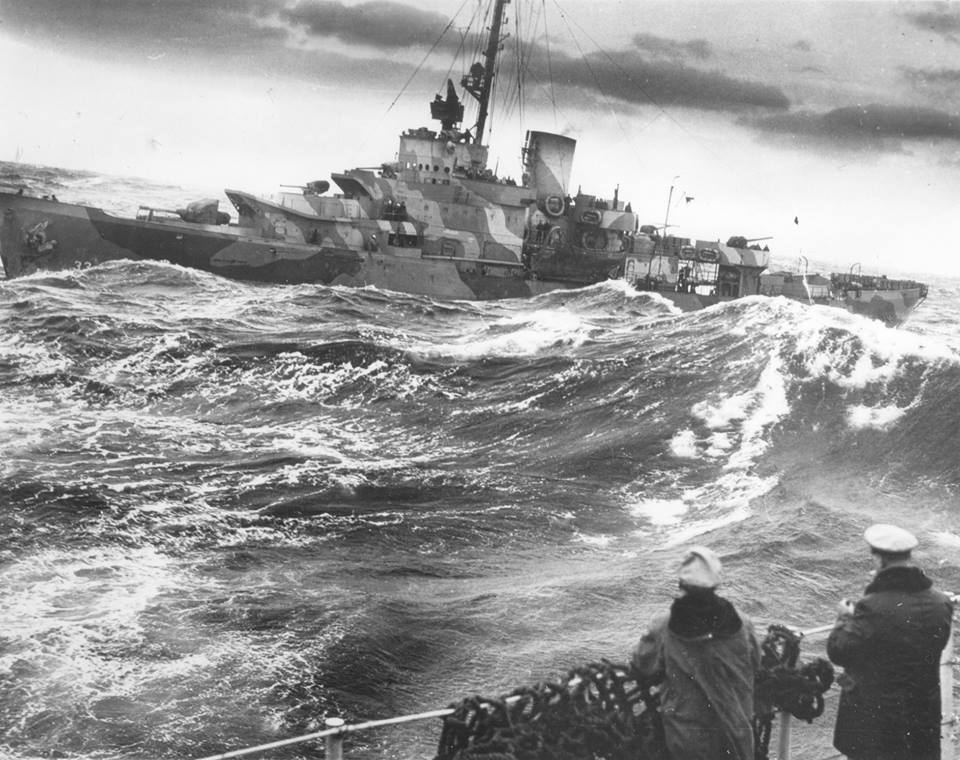
The crews of the Coast Guard Cutters Midgett (WMSL 757) and Kimball (WMSL 756) transit past Koko Head on Oahu, Hawaii, Aug. 16, 2019. The Kimball and Midgett are both homeported in Honolulu and two of the newest Coast Guard cutters to join the fleet. (U.S. Coast Guard photo by Petty Officer 3rd Class Matthew West/Released)

We are finally getting some information about the Coast Guard’s participation in RIMPAC 2022, and some of it may be a bit surprising.

A Coast Guard CO will command a task force,

Coast Guard Cutter Midgett is commanding Combined Task Force 175, which includes ships from France, Peru and the U.S. Navy, and is conducting air and missile defense, gunnery, mass rescue and anti-submarine warfare exercises.

The surprise, of course, is anti-submarine warfare. Midgett might simply simulate the high value unit to be protected, but Midgett will embark an MH-60R. The “Romeo” version is an ASW helicopter.

The 418-foot Midgett, a national security cutter and the largest class in the Coast Guard fleet, will also sail with a Navy MH-60R helicopter on board.

“Part of that is, how do you sustain that particular airframe? How do you support it for a long-range, two-month or three-month deployment?” he said. The Coast Guard is hoping to convert some of its airframes to ones used by the Navy going forward.

I might add, where do you store the sonobuoys, torpedoes, and other weapons?

(I have felt for a long time there are opportunities for attaching Navy Reserve units, that might include ASW Helicopters and their crews and sonar equipment and supporting personnel, to Coast Guard cutters as mobilization assets.)

Will the helicopter operate from Midgett as part of a Sink-Ex? Will Midgett get to participate in a Sink-Ex?

All the Sink-Exs seem to target ships of frigate size or larger. It would be good to have some smaller targets for less capable weapon systems.

What about the USCGC William Hart (WPC-1134), that will also be participating? Her only activity mentioned is to help set up a SAR exercise,

“As part of RIMPAC, the Hart will deploy two groups of mannequins at sea for the Midgett and a Japanese cutter to find and recover in a mass-rescue operation.”

Hope Hart and Midgett get to exercise against high speed small surface targets.

“All Freedom Littoral Combat Ships in Commission Tapped for Early Disposal” –USNI

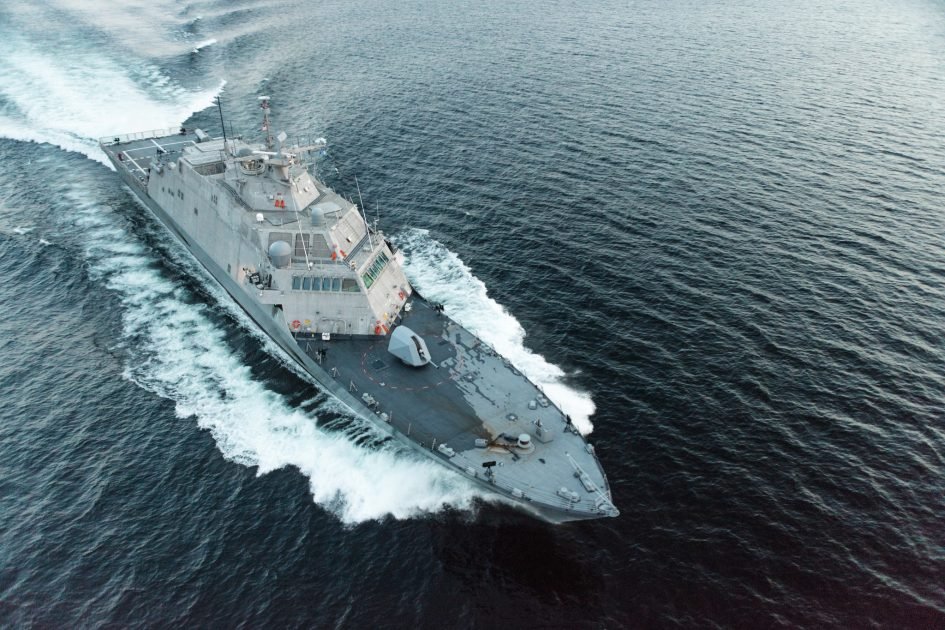
Littoral combat ship Little Rock (LCS 9) is underway during a high-speed run in Lake Michigan during acceptance trials. Lockheed Martin Photo

The US Naval Institute’s news service reports, that the Navy intends to decommission all nine currently completed and commissioned Freedom class Littoral Combat Ships (LCS) including one commissioned in 2020 and three commissioned in 2019.

Does this make any sense?

We are told the Freedom Class cost as much to maintain as a Burke class DDG. I have to wonder if we are talking total operating costs? Does that include manning? Fuel? Manning is a very large part of the operating cost of a warship, and even with two crews per ship, the manning for the Freedom class (2 x 75) is about half that of a single crewed DDG (303 to 323).

Also sighted in the report is the decision to terminate Raytheon’s AN/SQS-62 VDS program that was to be the primary sensor for the ASW mission module and was expected to equip the new FFG has been cancelled. On the FFG it will be replaced by the CAPTAS 4.

While it showed promise in early testing, the Raytheon-built AN/SQS-62 VDS suffered stability problems and had towing issues with the Freedom-class, several Navy officials have told USNI News. As a result of the poor performance, the Navy announced it had terminated the mission module on Monday.

The report seemed to suggest that because the VDS was not working, the Freedom class could not be used in the ASW role that was intended.

“With no mission module and unexpected costs for the repair to a complex combining gear for the Freedom-class ships, Navy officials said it wasn’t worth keeping the ships in commission.”

Elsewhere I have seen Navy officials quoted as saying the two decisions, while announced almost concurrently, were in fact unrelated. It also would not account for the decommissioning of nine ships because, only a third of the completed or funded Freedom class (after Freedom was decommissioned) that would have remained were expected to have the ASW mission. That meant, at most, five ASW equipped ships.

It also would not make sense because, while the CAPTAS 4 might not fit the LCS, it is only one of a family of related towed array systems. There is a lighter, modular CAPTAS 4, as well a other smaller and lighter members of the CAPTAS family, that could have given these ships a significant ASW capability. A question remains, what is to become of the Independence class LCSs that were to have been equipped with the ASW module?

These ships were built by Marinette Marine. Marinette also has the contract for the new guided missile frigate (FFG). If the Freedom class LCSs were returned to Marinette to be fixed, it might delay completion of the FFGs, which must certainly be a higher priority than fixing the Freedom Class ships. That could be a reason. Still the repairs could be done elsewhere.

One thing is for sure, this decision will save the builders of these defective ships a huge amount of money, in that they will no longer be required to fix the problems they created. Could this be the real reason?

Some good may come of this debacle:

It appears six, as yet uncompleted Freedom class LCS, will be retained. They are to be split between 4th and 5th Fleet. That probably means three in Jacksonville and three forward deployed in Bahrain. The ships in Jacksonville will probably do a lot of drug interdiction patrols for 4th Fleet. Still three ships could not continuously support more than one ship underway, whereas the norm has been two ships for some time now.

Adoption of the CAPTAS 4 may open up the possibility of use of other members of the CAPTAS family including, perhaps, application to cutters.

“SEA Completes Successful Trials Of KraitArray In The English Channel” –Naval News

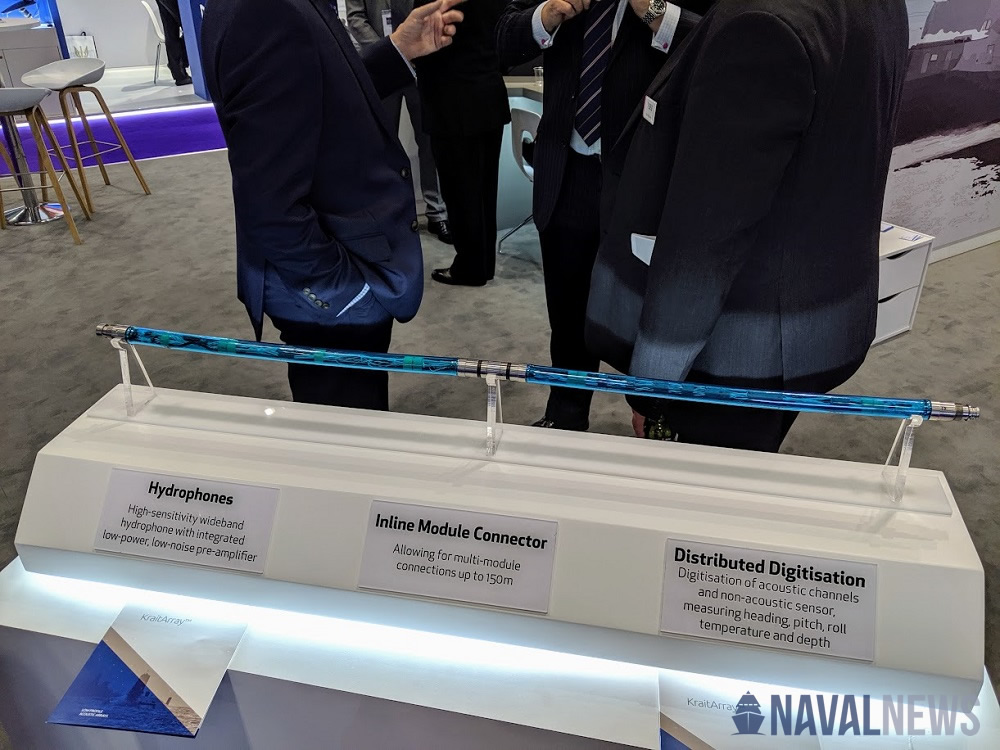
KraitArray (actual size) on SEA stand at DSEI 2019

Naval News reports,

“SEA, the UK’s defence and security electronic system specialist, has completed successful trials of its anti-submarine warfare (ASW) thin line towed array, KraitArray, in the English Channel – proving its exceptional sensing performance in small vessels.”

This seems to be another example of an ASW system being marketed for unmanned vessels that might also be used on cutters if the need should arise.

The company’s brochure does in fact specifically mention patrol craft and OPVs that are unable to accommodate full size towed arrays. In addition to the towed array, they also make active sonar systems, acoustic decoys, and light weight torpedo launchers.

A towed array might also be a good way to search for low profile smuggling vessels that have a minimal visual and radar cross section.

“Elbit Systems To Supply ASW Capabilities To An Asian-Pacific Navy” –Naval News

Naval News Reports, Israeli defense contractor, Elbit Systems has been awarded contracts totaling about $56M to provide ASW capabilities to an unnamed Asia-Pacific country (my guess, the Philippines).

Elbit Systems will provide the Seagull™ USVs (Unmanned Surface Vessels) configured to perform ASW missions and the Towed Reelable Active Passive Sonar (TRAPS) systems. The Seagull USVs will integrate Helicopter/Ship Long-Range Active Sonars (HELRAS) and will be equipped with the Company’s autonomous suite, Combat Management System and Satellite Communication capability. The TRAPS systems, which will be installed onboard the customer’s corvettes, are low frequency variable-depth-sonars intended for detection, tracking and classification of submarines, midget submarines, surface vessels and torpedoes.

I love to see this stuff because it means there are ASW systems out there that are appropriate for cutters from the largest down to relatively small.

Using helicopter style dipping sonars on surface vessels is not new. The Soviets built a number of corvettes that used this approach (Petya, Mirka, and Koni classes), but the dipping sonars have gotten much better since then.

We have talked about TRAPS before:

HELRES, Helicopter Long Range Active Sonar, is a product of L3Harris, headquartered in Melbourne, FL.

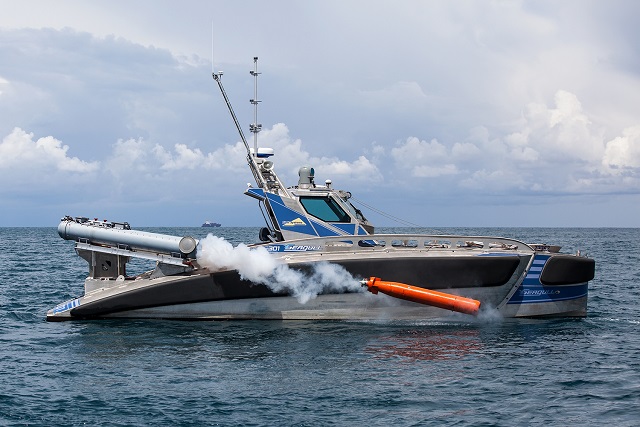
Elbit Systems’ Seagull unmanned surface vessel. I do love this photo because it shows that even a very small vessel can launch light weight torpedoes.


Navy Creates an On Call Task Force

160523-N-TC720-274 USS Donald Cook (DDG 75) underway May 23, 2016.  (U.S. Navy photo by Mass Communication Specialist 2nd Class Mat Murch/Released)

US Naval Institute reports that the Navy is doing something new in the Atlantic. They are establishing an on call Surface Action Group (SAG) “Navy Creates New Atlantic Destroyer Task Group to Hunt Russian Submarines.”

To me this highlights a couple of things. First apparently there is no comparable group in the Pacific. Second there is only one group to cover the entire East Coast and Gulf of Mexico. So if the Coast Guard calls on the Navy for assistance, its likely there will be a long wait.

“Saildrone Showcased Its USVs At Sea Air Space 2021 For The First Time” –Naval News

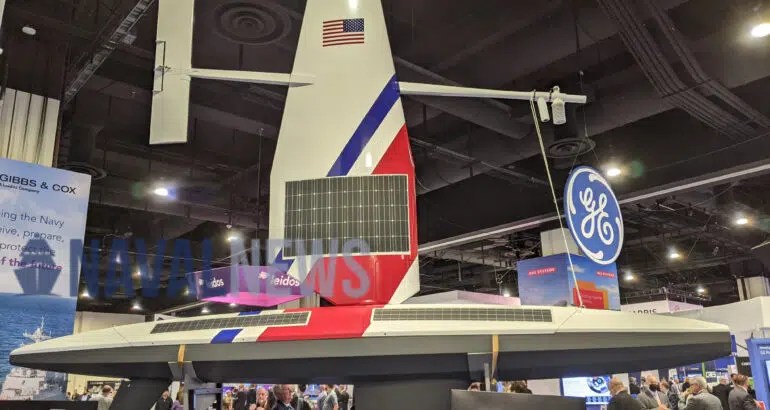
Saildrone is a company that provides Unmanned Surface Vessels, powered primarily by wind and solar. The Coast Guard has already been experimenting with some of the these to provide Maritime Domain Awareness.

Naval News reports on their presence at Sea Air Space 2021, including a new, much larger, 72 foot long class of saildrones.

Meanwhile the US Naval Institute News Service reports these “Uncrewed” surface vessels might be used for ASW, towing passive sensors.

Video: Northrop Grumman Showcases Very Light Weight Torpedo At Sea Air Space 2021″ –Naval News

Our friends at Naval News have an update on the Very Light Weight Torpedo program. It seems to be progressing rapidly. Apparently this is seen as an urgent requirement.

The discussion in the video talked about the anti-torpedo and anti-submarine capabilities, but no discussion of use against surface targets. I suspect this is because those capabilities are the primary selling points for the Navy. It may not be that it is incapable of attacking surface vessels, which should be easier targets.

We talked about this weapon earlier, in greater depth, including potential Coast Guard use.

Full scale production should drive to price down to a point, it might even find its way into the Coast Guard.

(There does seem to be an error in the written portion of the Naval News post in that it says the diameter of the weapon is 121 mm while the video discussion indicates 171 mm. The figures I had seen earlier were:  6.75″ in diameter (171.45mm), about 85″ in length, and weighs about 220 pounds or about 100 kilos).


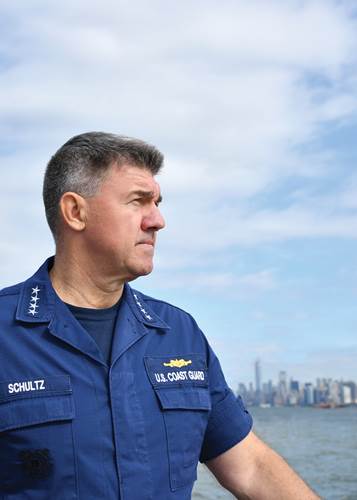
“SEA CONTROL 219 – USCG COMMANDANT ADMIRAL KARL SCHULTZ” –CIMSEC

Coast Guard Commandant Adm. Karl Schultz visits with Coast Guard crews stationed in New York City. U.S. Coast Guard photo illustration by Petty Officer 1st Class Jetta Disco.

(I meant to cover this earlier, but perhaps still worth a listen)

CIMSEC’s Podcast “SEA Control,” had an interview with the Commandant, Dec. 27, 2020. You can find it here.

At first I thought I had heard it all before, but toward the end, there were some surprises.

He talked about  Arctic, Antarctic, and IUU. He talked about the Arctic Strategic Outlook and the IUU Strategic Outlook.

Illegal, Unreported, Unregulated fishing got a lot of attention. He related that it was gaining visibility and had become a national security issue since overfishing has created food security issues for many countries. He pointed to Coast Guard Cooperation with Ecuador in monitoring a fishing fleet off the Galapagos Islands. Internationally he sees a coordination role for the USCG.

Relative to the Arctic he mentioned the possibility of basing icebreakers in the Atlantic and the need for better communications.

He talked about the Tri-Service Strategy and the Coast Guards roles in it, particularly in less than lethal competition.

More novel topics started about minute 38 beginning with Unmanned systems. He talked about the recent CG experiments with unmanned systems and went on to note that the CG will also regulated Unmanned commercial vessel systems.

About minute 41 he talked about the Coast Guard’s role in countering UAS in the Arabian Gulf. He added that we have a lead role in DHS in counter UAS. “We are in the thick of that”

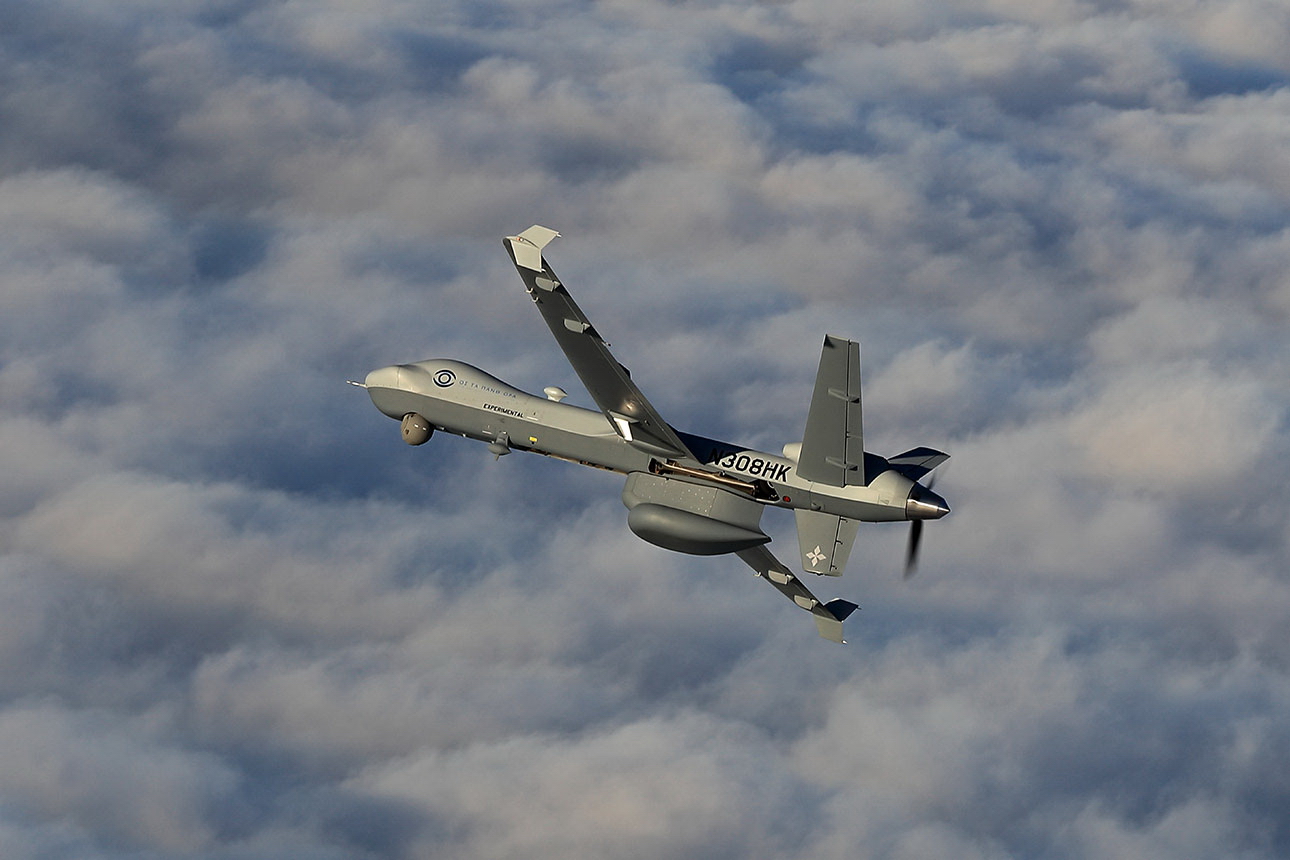
GA-ASI Concludes Successful Series of MQ-9 Demonstrations in Greece

He said the service was looking at MQ-9 maritime “Guardian” (minute 45)

When ask about reintroducing an ASW capability he said that while the Coast Guard was looking at it, the service would have to be cautious about biting off too much. (My suggestion of how the CG could have an ASW mission with minimal impact on its peacetime structure.)

He talked about balancing local and distant missions and concluded that the CG could do both (47), and that the Coast Guard was becoming truly globally deployable (48).

He noted that the first two FRCs for PATFORSWA would transit to Bahrain in Spring, followed by two more in the Fall, and two more in 2022. (49)

He noted technology is making SAR more efficient. “Hopefully we will put ourselves out of the Search and Rescue business.” 50

He talked about the benefits of “white hull diplomacy.” (52)

Asked about our funding for new missions he said it was sometime necessary to demonstrate the value of the mission first, then seek funding. (55)

He also talked about raising the bar on maintenance.

Coast Guard Cutter + Navy Reserve + Mission Module = ASW

The US is seriously short of Anti-Submarine Warfare escort vessels, but a little forethought and some cooperation between the Navy Reserve and the Coast Guard could seriously reduce the deficit, without a huge impact on either the Navy or the Coast Guard’s peacetime budget, operations, and manning.

It is a simple concept, a payload/platform solution. The Navy provides the payload. The Coast Guard provides the platform and drives “the truck.” It would allow the Coast Guard to have an important wartime role without significantly increasing its manning or training requirements. The costs to the Navy would be minimal and it would allow them to exploit their reserve pool of trained ASW personnel long before additional ships could be built.

In peacetime, the Coast Guard has been placing detachments on Navy ships. In wartime, Navy detachments could be placed on Coast Guard ships.

The essential elements are:

  • 36 Coast Guard Cutters, 11 National Security Cutters and 25 Offshore Patrol Cutters built, building, or planned.
  • Navy Reserve Helicopter Maritime Strike (HSM) aircraft and crews
  • An ASW mission module for each cutter
  • Navy personnel (active or reserve, officer and enlisted) trained and experienced in operating the ASW mission module equipment and ASW operations

The Threat:

If we have a non-nuclear war with a near peer, e.g. China or Russia, it is almost certain we will need more Anti-Submarine Warfare escort vessels than we currently have. The Chinese have almost 80 submarines  (60 conventional and about 19 nuclear) and they are doubling their capacity for building nuclear submarines. Russia has about 63 submarines, mostly nuclear.

US Navy ASW escorts, we are short:

The Navy’s force level goal is 156 surface combatants, out of the projected fleet of 355. These would include 104 large surface combatants (LSC, cruisers and destroyers) and 52 small surface combatants (SSC, LCS and frigates), but so far, there is no clear path to that goal. The Navy’s fleet will vary over time, but for the foreseeable future it will include less than 120 surface combatants. These include fewer than 90 cruisers and destroyers. A total of 35 LCS are built or funded, but it appears four of those may be decommissioned. Only ten LCS will be equipped as ASW escorts. The FFG(X), now FFG-62 program, is expected to produce 20 FFGs, but that program, is unlikely to produce its first ten ships before 2029.

The “Battle Force 2045” plan, which was never approved by DOD, projects a need for 60 to 70 Small Surface Combatants.

In any case we are going to short of escorts. A little over two years ago, the Military Sealift Command was told that ‘You’re on your own’: US sealift can’t count on Navy escorts in the next big war.

That is really not a good plan. We already have a minimal number of logistics support vessels and only a small pool of American mariners to sail them. Maritime Patrol Aircraft might be able to provide some degree of protection for transiting logistics vessels but one thing they cannot do, is rescue mariners from ships that are inevitably sunk. Coast Guard ships might be able to rescue mariners, but without ASW equipment, they themselves would be vulnerable.

The Mission: 

I would not expect the cutters to be on the forward edge of battle, but by providing escort service from the Continental US to forward logistics bases, they would free more capable assets for areas where the threat level, particularly the air threat, is higher.


The Cutters: 

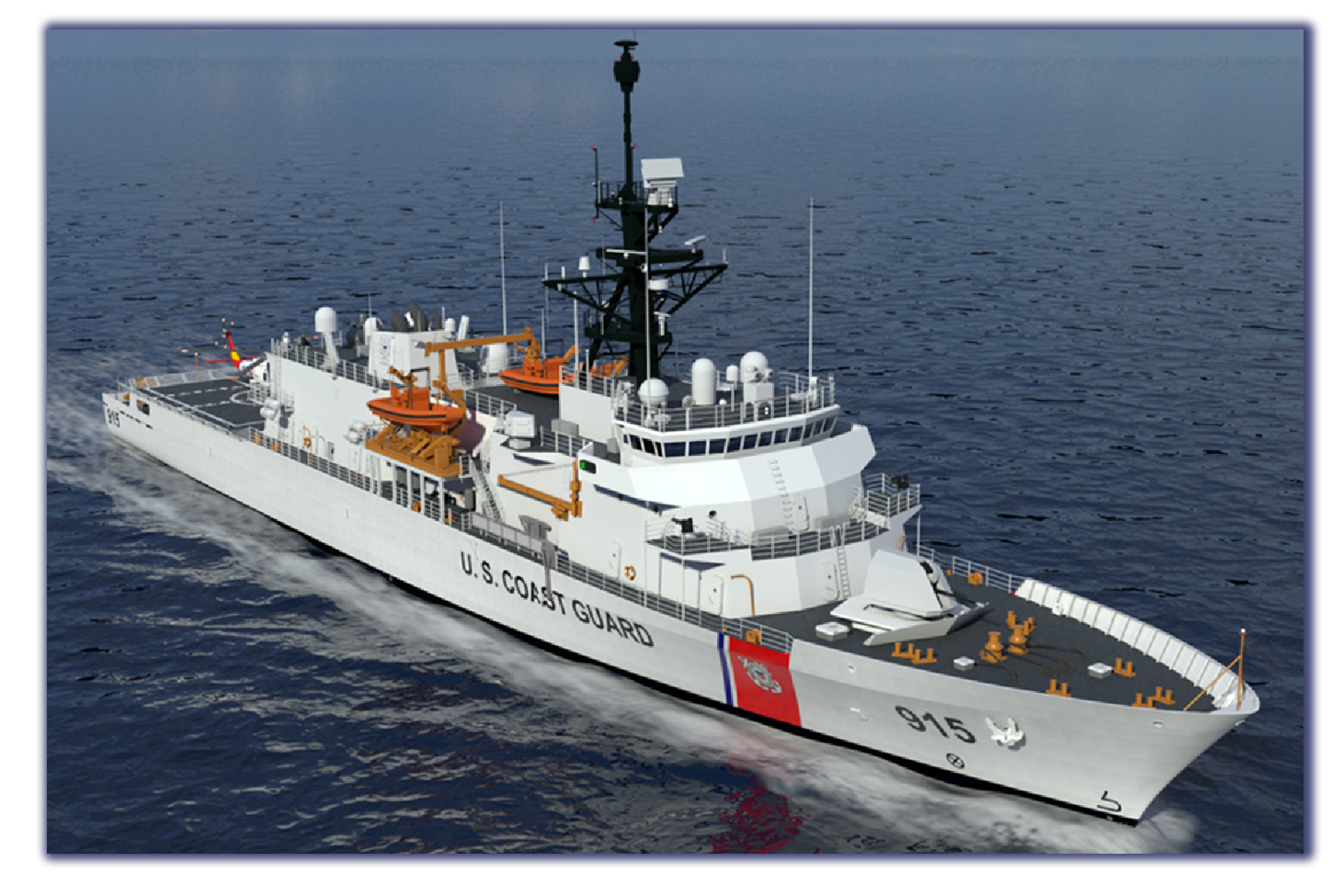
The Coast Guard has or is building two classes of cutters that might be useful as ASW escorts, the Bertholf class National Security Cutters (NSC) and the Argus class Offshore Patrol Cutters (OPC).

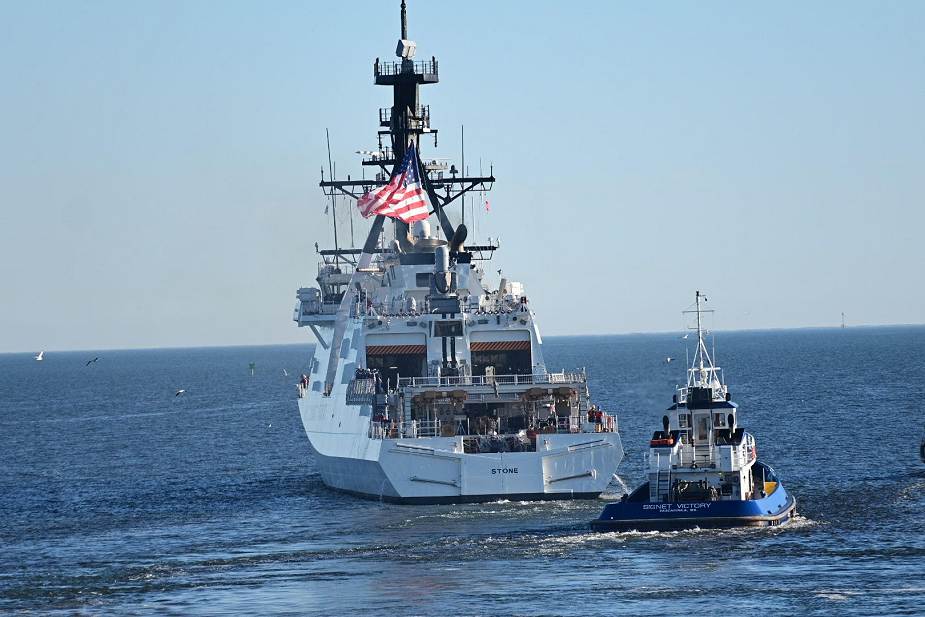
USCGC Stone, the ninth National Security Cutter. Dual helicopter hangars clearly visible.  (Huntington Ingalls photo)

Nine NSCs have already been completed. Two more are building or on order. Though they lack any current ASW capabilities, the Bertholf class National Security Cutters are in many ways already equipped to serve as frigates. A modified version of the design was apparently a contender for the FFG(X) program. They are a bit faster than the new FFGs and have a longer range and greater endurance. They have a flight deck and hangars capable of handling two MH-60s or one MH-60 and UAS. Like the new frigate and the LCSs, they have a 57mm Mk110 gun, but with a better fire control system than found on the LCSs, that includes a SPQ-9B Fire Control Radar. They also have a Phalanx CIWS and a sensitive compartmented intelligence facility (SCIF). They were designed with provision to accept twelve Mk56 VLS and Evolved Sea Sparrow Missiles. Their equipment includes:

  • EADS 3D TRS-16 AN/SPS-75 Air Search Radar
  • SPQ-9B Fire Control Radar
  • AN/SPS-79 Surface Search Radar
  • AN/SLQ-32B(V)2
  • 2 × SRBOC/ 2 × NULKA countermeasures chaff/rapid decoy launchers
  • AN/UPX-29A IFF
  • AN/URN-25 TACAN
  • MK 46 Mod 1 Optical Sighting System (WMSL 750 – 753)
  • MK 20 Mod 0 Electro-Optical Sighting System (WMSL 754 – 760)
  • Furuno X and S-band radars
  • Sea Commander Aegis derived combat system
  • Link-11 and Link-16 tactical data links
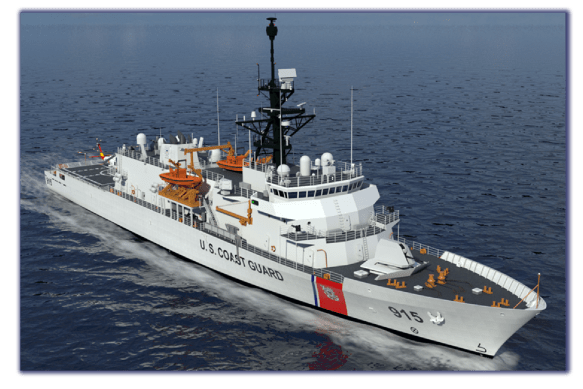
The Offshore Patrol Cutters are only slightly less capable than the National Security Cutters. They are about the same size at 4,500 tons full load. Speed is lower at 22+ knots sustained. They also have a 60 day endurance and an over 10,000 mile range. They are designed to support and hangar both a helicopter and a UAS, but while they clearly could hangar a MH-60R, it is not clear if it could also support an MQ-8. It is currently unclear if they will have a SCIF as built, but they have space for one. Their equipment includes:

  • Saab Sea Giraffe AN/SPS-77 AMB multi-mode naval radar
  • AN/UPX-46 IFF
  • AN/URN-32 TACAN
  • MK 20 Mod 1 EOSS
  • Link 22 Tactical Data Link
  • AN/SLQ-32C(V)6 Electronic Warfare System
  • 2 x MK 53 Mod 10 NULKA Decoy Launching Systems

Navy Reserve Helicopter Maritime Strike (HSM) squadron(s):

HSM squadrons fly both the MH-60R and MQ-8 Fire Scout UASWikipedia reports there are currently 18 HSM squadrons. They are now the only provider of shipboard airborne ASW capability. Only one of those is a Reserve squadron. Reportedly the Navy currently has 34 excess MH-60R which could equip virtually all the large cutter currently planned.

The ASW Mission Module:

The Navy apparently intends to equip ten LCS with ASW mission modules. But the new FFG-62 class will share the same ASW equipment including the TB-37U MFTA (Multi-Function Towed Array) which takes the form of a three inch cable towed behind the ship. The LCS ASW module also includes a variable depth sonar, the AN/SQS-62. This may or may not be required for the cutters’ open ocean escort mission. Even 36 complete ASW modules at the current cost of 19.8M would cost less than a single new FFG.

AN/SQS-62 Variable Depth Sonar intended for Littoral Combat ships. Photo Raytheon.

Manning the ASW Modules:

There are at least two possible sources of crews to man the ASW modules:

  • Active duty personnel assigned to rotational crews of LCS and FFGs
  • Navy Reservists

All LCS are now expected to be manned by rotating Blue and Gold crews. A similar scheme is being considered for the FFGs. Upon mobilization it is likely crew rotations will stop. That may mean experienced ASW officers and crew will be available to serve on similarly equipped ASW capable cutters.

As of Sept 30, 2019, the Navy’s Ready Reserve Force included over 100,000 members, 59,658 Selected Reservists (SELRES) and 44,020 Individual Ready Reservists (IRR). Currently I doubt there are organized reserve units prepared to operate ASW mission modules, but that might be a future option that would allow them to operate with cutters during training and exercises, while maintaining their training using simulators. There will certainly be recently separated IRR members, trained in the operation of the relevant systems who could be recalled to active duty.

Conclusion: 

This is a simple low cost way to add about 30% more ASW capable surface combatants to the fleet, putting it much closer to its projected requirements. They may not be ideal ASW escorts, but they may be good enough to make a difference.

“CONVOY ESCORT: THE NAVY’S FORGOTTEN (PURPOSE) MISSION” –War on the Rocks

An Allied convoy heads eastward across the Atlantic, bound for Casablanca, in November 1942. U.S. Navy (photo 80-G-474788), Post-Work: User:W.wolny – This media is available in the holdings of the National Archives and Records Administration, cataloged under the National Archives Identifier (NAID) 520948.

War on the Rocks has a post entitled, “Convoy Escort: The Navy’s Forgotten (Purpose) Mission

Since it has been a Coast Guard mission and may be again, it might be of interest.

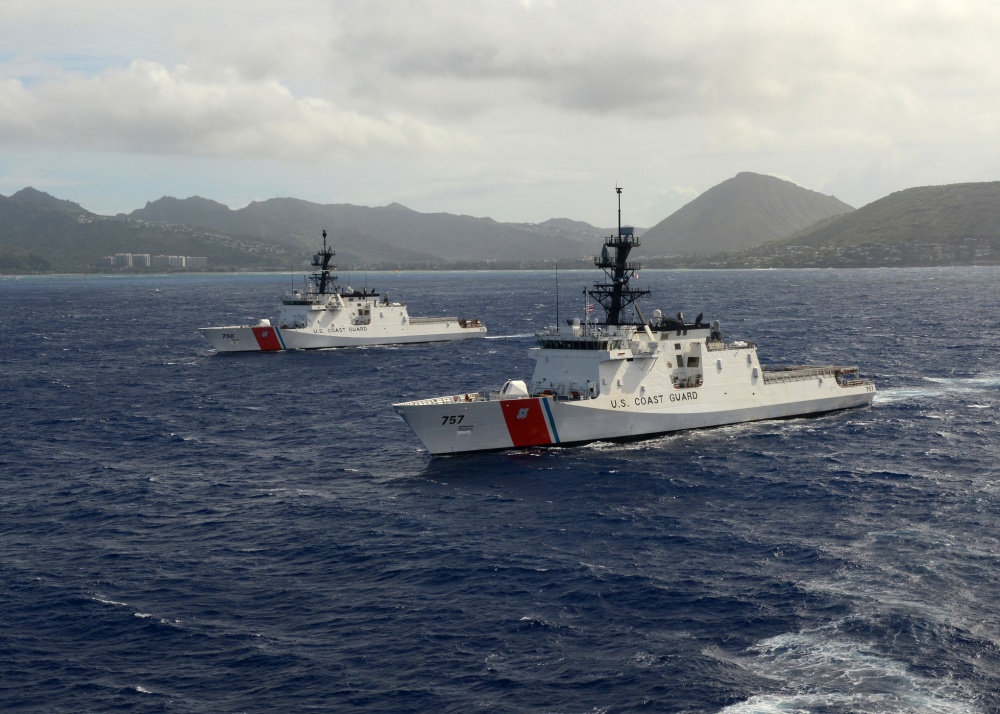
Contrary to the impression you may get, most of the North Atlantic convoy work during WWII was done by Great Britain’s Royal Navy and the Royal Canadian Navy. The US Navy played a relatively minor role until mid 1943.

USCGC Duane on North Atlantic Convoy Duty