Chuck Hill's CG Blog

Chuck Hill's CG Blog

“Coast Guard hosts Pacific Quadrilateral Coordinating Group on Oahu” –CG News

Below is a news release from Coast Guard News. Looks like Western Pacific fisheries is finally getting the attention it has deserved. The “Pacific Quad” mentioned here (Australia, France, New Zealand, and the US) should not be confused with “The Quad” (Australia, India, Japan, and the US) which is an informal military association.

I am still hoping to see my “Combined Maritime Security Task Force, Pacific” formed.
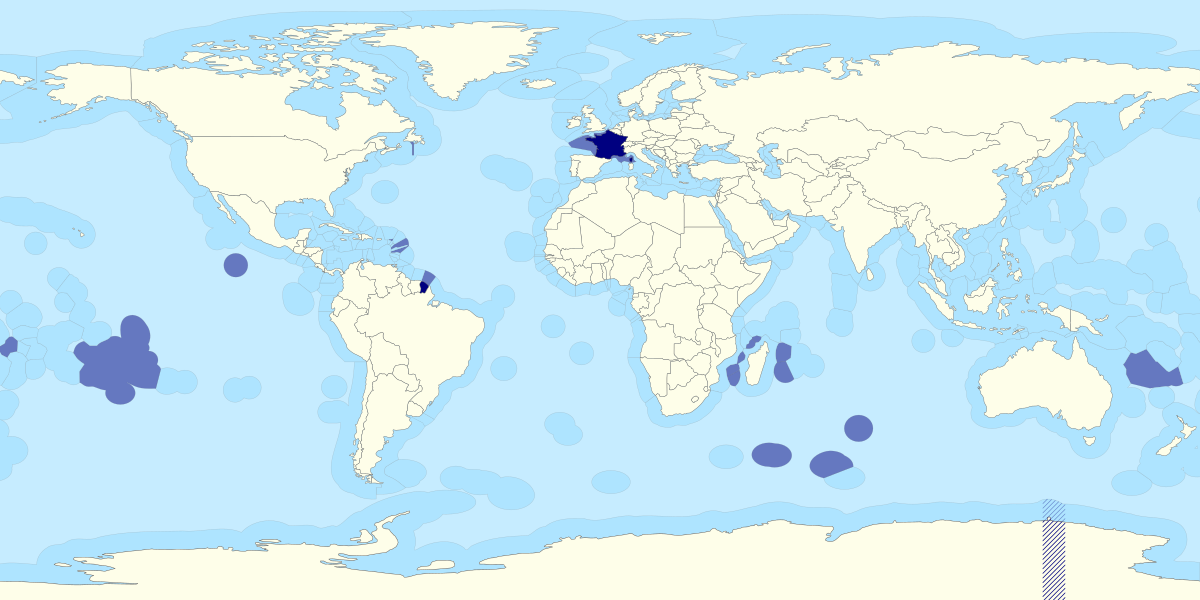
Territory of France and its Exclusive Economic Zone. (Antarctic territorial claims in lighter tone). Credit B1mbo via Wikipedia.

If you are wondering why France is in this group, take a look at their Exclusive Economic Zone, above.

Nov. 3, 2023

Coast Guard hosts Pacific Quadrilateral Coordinating Group on Oahu

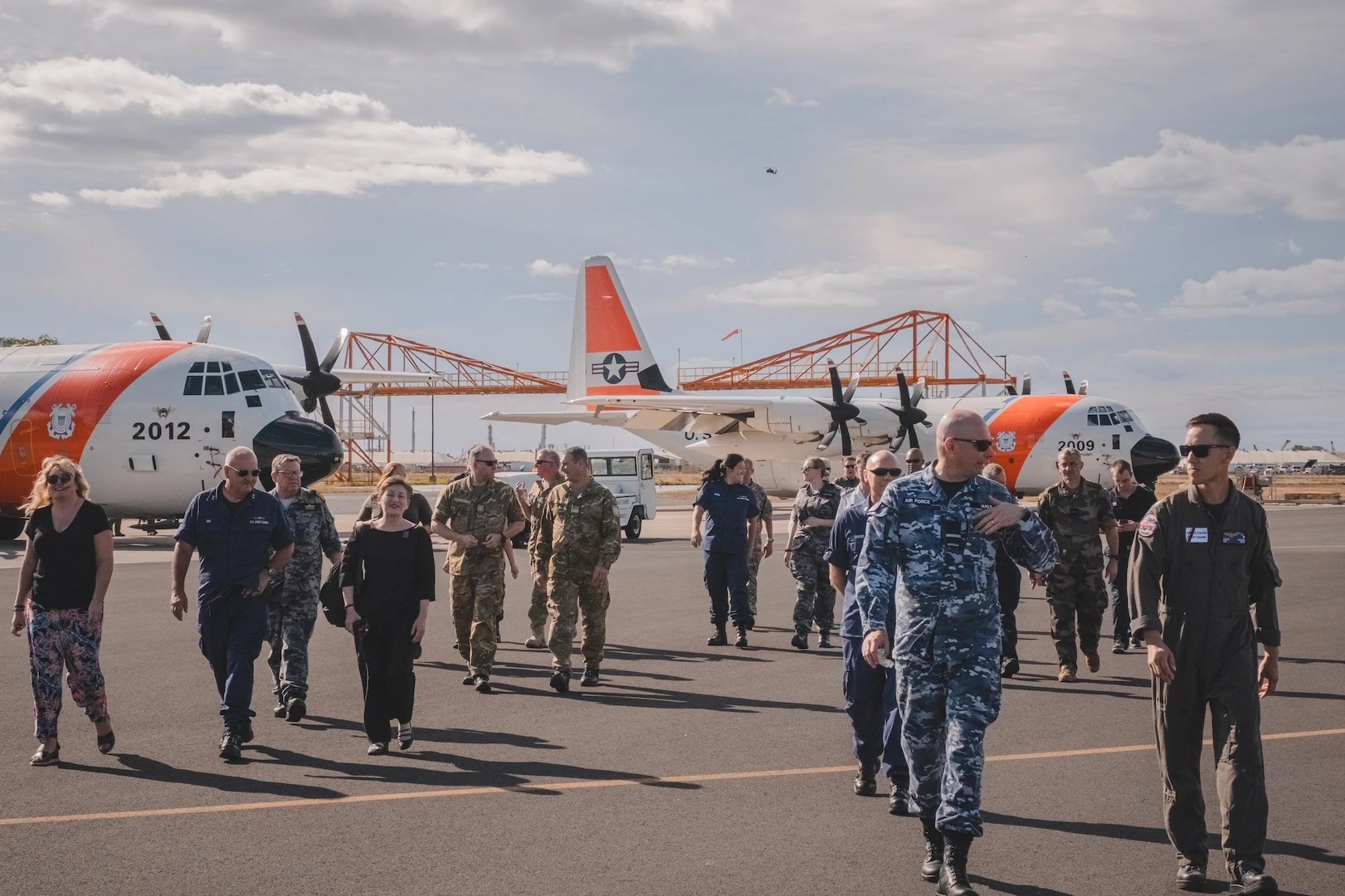
HONOLULU — The U.S. Coast Guard recently hosted the Pacific Quadrilateral Defense Coordinating Group from Oct. 9 to 11, 2023, focusing on enhancing maritime security in the Pacific.

The meeting gathered leaders from Australia, France, New Zealand, the United States, and the Forum Fisheries Agency. Rear Adm. Michael Day, U.S. Coast Guard District 14 commander, emphasized the importance of this collaboration, particularly in the context of regional challenges such as climate change and security.

“These face-to-face meetings and continued cooperation among our nations are not just strategic imperatives; they are lifelines to the people of the Blue Pacific,” said Day.

He further highlighted the impact of this collaboration, emphasizing the human element and recognizing the responsibilities of the larger nations in the Pacific, “We acknowledge the historical context, and while we do not seek to rewrite the past, we are committed to a future where the sovereignty and livelihoods of Pacific Island Countries are safeguarded. Climate change, followed by regional tensions, looms large as challenges we all face, and our shared responsibility is to address these threats. Our commitment to combating illegal fishing and ensuring maritime safety is not just about security; it’s about ensuring a sustainable and secure future for the communities who call the Pacific home.”

The Pacific QUAD was established in 1998, and brings together defense and security agencies from Australia, France, New Zealand and the United States in a mutual commitment to partnering with the Pacific Island countries to collectively enhance regional security.

During the meeting, discussions covered various topics, including their annual report, training programs, tactical calendar, information sharing and support for the Forum Fisheries Agency operations. Additionally, three new principals joined the group. Brig. Gen. Yann Latil (France), Air Comm. John Haly (Australia), and Brig. Gen. Andy Shaw (Aotearoa New Zealand).

The Pacific QUAD’s mission is to combat illegal fishing in the Southwest Pacific and collaborate closely with Pacific Island nations. The group operates at both a strategic and operational level, with annual and biannual meetings, respectively.

This year, examples of their collaboration included: an agreement with New Zealand, joint gatherings and strengthening cooperation with Australian Maritime Security Advisors, a successful search and rescue operation, and an international mass rescue exercise, highlighting the positive impact of their efforts on regional stability and maritime safety.

The Pacific QUAD, consisting of New Zealand, the United States, France, and Australia, annually rotates its principal chairmanship position as part of its collaborative approach. Last year, Air Commodore Darryn Robert Webb of New Zealand handed over the role to Rear Adm. Michael Day, who has now passed it to Brig. Gen. Yann Latil, the commander of French Forces New Caledonia. Latil is expected to transfer the responsibility to Air Commodore John Haly, the Australian Joint Operations Command, Director General Operations and Plans (J3), next year. This rotation underscores the ongoing commitment of the Pacific QUAD nations to regional stability and cooperation.

“After a very successful meeting in Honolulu this year, I am happy to take over the American coordination of the Pacific Quad’s work and I look forward to hosting my fellow principals and their teams in Noumea next year,” said Brig. Gen. Yann Latil, the commander of French Forces New Caledonia.

U.S. Coast Guard District 14, covering a vast area in the Central and Western Pacific, plays a crucial role in maritime safety, resource protection, security and national defense through partnerships and international engagement.

“Exercise Digital Talon Advances Unmanned Lethality at Sea” –U.S. Naval Forces Central Command

Below is a US Naval Forces Central Command news release that included the video above.

While the Unmanned Surface Vessel was identified as a MARTAC T38 Devil Ray USV, the weapon was not identified. I think we can be pretty the “Lethal Miniature Aerial Missile System” was the AeroVironment Switchblade 300 launched from their Multipack Launcher (MPL).

The Drive has a more extensive report, “Switchblade Kamikaze Drone-Armed Uncrewed Fast Boat Tested.

I have suggested this weapon would be almost ideal for the Coast Guard, should they need to stop a terrorist attack using a small, fast, highly maneuverable boat.

As a counter such an attack, this weapon is far better than a 7.62mm or .50 caliber machine gun. 

  • It has a range of up to 20km so it could engage a target far earlier than a machine gun and from outside the effective range of hostile small arms fire.
  • With a sprint speed of 100 mph (87 knots) it can cover the 2200 yards nominal effective range of the .50 caliber in about 45 seconds.
  • It has demonstrated a high probability of a first round hit on target.
  • It has a man in the loop function so it can be aborted if necessary.
  • There is little danger of collateral damage compared to firing multiple bursts from a crew served machine gun mounted on a bouncing highspeed boat.

MANAMA, Bahrain –November 02, 2023

U.S. Naval Forces Central Command (NAVCENT) is advancing lethality and the combat capabilities of unmanned surface vehicles (USVs) during live weapons firing exercises in the international waters surrounding the Arabian Peninsula, Oct. 23.

The firing exercises were conducted as part of Exercise Digital Talon and constituted the first use of lethal munitions from USVs in the Middle East region.

During the exercise, NAVCENT’s Task Force 59, the Navy’s first Unmanned and Artificial Intelligence Task Force, demonstrated the ability of unmanned platforms to pair with traditionally crewed ships in “manned-unmanned teaming” to identify and target simulated hostile forces at sea. The hostile forces were represented through the use of a target boat. Then, using live munitions launched from another unmanned platform, NAVCENT forces engaged and destroyed the targets.

During multiple firing events, a MARTAC T38 Devil Ray USV, equipped with a Lethal Miniature Aerial Missile System, successfully scored direct hits each time. A human operator ashore at Task Force 59’s Robotics Operations Center made the engagement decisions.

Digital Talon was coordinated with and supported by Commander, Special Operations Forces Central Command.

This exercise is the second time in as many months the U.S. Navy has successfully demonstrated advanced unmanned capabilities in the region, according to Vice Adm. Brad Cooper, NAVCENT commander. In September, unmanned underwater surface and aerial vehicles were able to track Iranian Navy and Islamic Revolutionary Guard Corps Navy ships and small boats over several days during routine patrols in and around the Strait of Hormuz.

“We are focused on the operational application of new, cutting-edge unmanned systems and artificial intelligence technologies. Last month, we integrated 12 different unmanned platforms with manned ships for ‘manned-unmanned teaming’ operations to conduct enhanced maritime security operations in the waters surrounding the Arabian Peninsula,” he said. “During Digital Talon, we took a significant step forward and advanced our capability to the ‘next level’ beyond just maritime domain awareness, which has been a traditional focus with Task Force 59. We have proven these unmanned platforms can enhance fleet lethality. In doing so, we are strengthening regional maritime security and enhancing deterrence against malign activity.”

Looking ahead, Cooper said, he expects to see the progress expand in scale and impact, including future exercises expanding the arsenal of combat-capable unmanned systems.

“I’m excited about the direction we’re headed,” he said.

U.S. Naval Forces Central Command/U.S. 5th Fleet’s area of operations encompasses about 2.5 million square miles of water area and includes the Arabian Gulf, Red Sea, Gulf of Oman, Gulf of Aden, Arabian Sea and parts of the Indian Ocean. This expanse, comprising 21 nations, includes three critical choke points at the Strait of Hormuz, the Suez Canal and the Strait of Bab al Mandeb.

“U.S. Coast Guard Cutter Kimball returns home following 85-day Bering Sea patrol” –CG News

Below is a news release from Coast Guard News. Looks like Kimball had an unusual Alaska Patrol, responding to the wildfire on Maui, to terminating an unsafe voyage, to shadowing a Russian naval exercise.


 Nov. 2, 2023

U.S. Coast Guard Cutter Kimball returns home following 85-day Bering Sea patrol

HONOLULU — The U.S. Coast Guard Cutter Kimball (WMSL 756) returned home to Honolulu, Wednesday, after an 85-day multi-mission patrol covering 14,000 nautical miles spanning from the Hawaiian Islands to north of the Arctic Circle.

The crew provided search-and-rescue coverage and conducted living marine resources (LMR) and counter Illegal Unreported and Unregulated (IUU) Fishing operations during the patrol following their actions responding to the Maui wildfires.

Kimball departed August 8 for the Aleutian Island chain and later that evening, the cutter received a report of people in the water attempting to escape a raging wildfire on Maui. The cutter shifted to the tactical control of Sector Honolulu and altered course to support the mass search and rescue efforts. Arriving on scene within hours, Kimball assumed the role of On Scene Commander of Coast Guard Station Maui, Coast Guard Cutter Joseph Gerczak (WPC 1126), and Air Station Barbers Point MH-65s, who collectively searched 790 square nautical miles, saved 17 lives, and assisted approximately 40 survivors ashore. During Kimball’s three days on scene, their crew launched two cutter small boats for over 25 combined hours and deployed the cutter’s UAS drone for over 8 hours of flight time, conducting search and rescue and damage assessment support.

After being relieved by Juniper, Kimball’s crew transited north to support the Coast Guard’s 17th District by providing search-and-rescue coverage and conducting LMR and counter IUU-Fishing patrols spanning the Northern Pacific Ocean, Bering Sea, and the American Arctic.

Operating under Operation Alaskan Groundfish Enforcer, Kimball ensured compliance with all federal fisheries conservation laws and safety requirements by completing 10 LMR boardings on fishing vessels in the Bering Sea. Kimball issued eight citations and one termination for gross violation of U.S. and international regulations. This resulted in the Kimball escorting the fishing vessel back to the nearest port and ensured they corrected their discrepancies.

As the sole U.S. military asset in the Bering Sea, Kimball diverted to provide presence alongside the U.S. domestic fishing fleet in the remote region of the U.S. Arctic upon receiving intelligence of a Russian military exercise within the U.S. Exclusive Economic Zone (EEZ). Kimball’s presence ensured the safety of 23 mariners while they worked within the U.S. EEZ near Russian warships as part of Operation Frontier Sentinel.

“I couldn’t be prouder of Kimball’s crew,” said Capt. Bob Kinsey, Kimball’s commanding officer. “They were able to showcase the true value that the national security cutter brings to such a dynamic area of responsibility. The crew’s diversity of skill harnessed our Coast Guard authorities and capabilities to provide tangible lifesaving results, from responding to the tragic fires in Maui to providing an influential presence in the Chukchi Sea and American Arctic to preserving the livelihoods of our Bering Sea fishermen through the enforcement of federal safety and living marine resources laws.”

To ensure crew preparation and proficiency, Kimball conducted numerous flight operations with MH-65 Dolphin and HH-60 Jayhawk helicopters and aircrews from U.S. Coast Guard Air Station Kodiak, resulting in the qualification of eight pilots and recertification of Kimball’s crew.

While in Dutch Harbor, Alaska, Kimball’s crew engaged with the local community by participating in sports at the community center, conducted cutter tours, and volunteered for community events. Notably, Kimball assisted the Museum of the Aleutians in relocating fragile gray whale fossils for a new exhibit. Kimball also met with the mayor of Dutch Harbor to discuss how the Coast Guard and the town can continue strengthening their relationship.

Commissioned in 2019, Kimball is the Coast Guard’s seventh national security cutter. National security cutters are the largest and most technologically sophisticated cutters in the Coast Guard’s white-hull fleet. National security cutters can operate in the most demanding open ocean environments, including the Bering Sea’s hazardous fisheries and the Southern Pacific’s vast approaches, where much of the American narcotics trafficking occurs. With robust command, control, communication, computers, intelligence, surveillance and reconnaissance equipment, stern boat launch and aviation facilities, as well as long-endurance station keeping, National security cutters are an afloat operational-level headquarters for complex law enforcement and national security missions involving multiple Coast Guard and partner agency participation.

-USCG-

“First Details Of Hamas’ New Submarine Drone Weapon” –Naval News

Click to enlarge. Hamas has revealed a new torpedo-like weapon which it claims has been used against Israel.

Naval News reports on a new naval weapon reportedly used by Hamas against Israel. It is a type of weapon that might be used in a terrorist attack on a port, so perhaps the Coast Guard should be interested. It is not particularly sophisticated, but as we have seen in Ukraine, unsophisticated weapons can work in some circumstances.

I will take a wag (wild ass guess) at its size and weight. Looks about six feet long and about twelve inches in diameter. The way it is being carried, I would say it is probably less than 300 pounds, probably closer to 200. That makes it about half the weight of a light weight ASW torpedo like the Mk46 which weighs 508 pounds and has 96.8 lb (43.9 kg) warhead. This probably means the weapon is buoyant while torpedoes are typically negatively buoyant. The proportion of the weapon’s weight devoted to warhead may be more than the case of the Mk46, so warhead weight might be more than 50 pounds, but almost certainly less than 100 pounds. That is far less powerful than typical WWII torpedoes, but even 50 pounds exploded against the hull would probably mission kill or sink any small vessel. The Mk27 torpedo, a small passive acoustic homing torpedo with a 95 pound warhead, used by US submarines against Japanese escort vessels in the latter part of WWII, scored 33 hits and 24 of those resulted in a sinking.

“Media Availability: USA’s largest icebreaker to visit Charleston following Arctic deployment, interviews available” –CG News

I am just passing along this news release from Coast Guard News. Charleston has become a major base for Coast Guard cutters with five NSCs to be based there. The first of the new icebreakers will go to Seattle, but there are clear indications that the Coast Guard also hopes to have icebreakers based on the Atlantic side. This visit might also serve as a preliminary look at Charleston as the future base for Coast Guard icebreakers. They may also be getting some minor maintenance done.


Nov. 1, 2023

Media Availability: USA’s largest icebreaker to visit Charleston following Arctic deployment, interviews available

CHARLESTON, S.C. — The crew of the U.S. Coast Guard Cutter Healy is scheduled to participate in a media availability Friday during the ship’s port call in Charleston.

The Healy conducted an Arctic deployment to provide U.S. surface presence, high-latitude research in support of international cooperation, and engagements with Arctic partner nations. During the deployment, Healy conducted joint operations in the Barents Sea with the Norwegian Coast Guard, as well as joint operations with Danish and Icelandic sea services while operating in the North Atlantic. The cutter also hosted a science roundtable with researchers from the U.S., Norway, and other nations.

WHO: Capt. Michele Schallip, commanding officer of Healy

WHAT: Healy’s commanding officer will be available to speak with media members regarding the unit’s current deployment, scientific efforts, and international engagements.

WHERE: 2 Charlotte St., Charleston, SC 29403, Berth One

WHEN: Friday, 9 a.m., Nov. 3, 2023.

Editor’s Note: Media are asked to RSVP by 5 p.m., Thursday, with the Coast Guard’s Public Affairs Detachment Jacksonville at 786-393-4138 or by emailing D7PADETNorth@gmail.com. Interested media are requested to arrive by 8:30 a.m., Friday, with a valid driver’s license and proof of insurance to be processed through port security.

Homeported in Seattle, Washington, Healy is the Coast Guard’s only icebreaker designed specifically to support research and is the nation’s sole surface presence routinely operating in the Arctic Ocean. The platform is ideally specialized for scientific missions, providing access to the most remote reaches of the Arctic Ocean, areas barricaded by pack ice and unreachable by most research vessels. Since its commissioning in 1999, Healy has served as one of two active polar icebreakers and is the largest and most technologically advanced icebreaker in the Coast Guard. Healy accommodates a crew of 84 with a primary mission of scientific support. As a Coast Guard cutter, Healy is also a capable platform for supporting other missions in the polar regions, including logistics, search and rescue, ship escort, environmental protection, and enforcement of laws and treaties.

Media Kit resources:
U.S. Coast Guard Cutter Healy webpage and Unit Facebook page
Links:
DVIDS B-roll for deployment coverage:  DVIDS – U.S. Coast Guard Cutter Healy departs Tromsø, Norway
News Room for press releases:  USCG News
Follow PACAREA on Facebook:  @uscgpacificarea
Follow PACAREA on X (formerly Twitter):  @USCGPACAREA
Follow PACAREA on Instagram:  @uscgpacarea
Follow LANTAREA on Facebook: @USCoastGuardAtlanticArea
Follow LANTAREA on X (formerly Twitter): @USCGLANTAREA
Follow LANTAREA on Instagram: @uscglantarea

-USCG-

“Coast Guard adjusts operations plan to mitigate 2024 workforce shortage” –MyCG

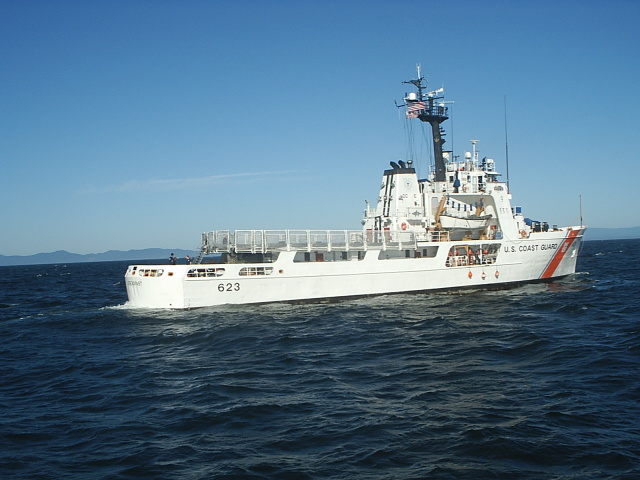
USCGC Steadfast is the next WMEC to be decommissioned. The 55 year old cutter is homported in Astoria, Ore.

The Coast Guard is acting decisively to deal with the current personnel shortage. I have reproduced the announcement below. The result will significantly affect the cutter fleet. Three 210s will be placed in layup pending decommissioning and seven 87 foot WPBs will be placed in layup pending reactivation.

The choice to decommission Steadfast rather than another 210 may have been influenced by the fact that the first two OPCs are to be homeport on the West Coast (San Pedro) and two Webber class cutters (WPC-1156 and 1157) are expected to be based in Astoria. Both WPCs will probably arrive in the next six to eight months.

Not surprisingly cutters are being decommissioned before their replacements come on line. This situation is likely to get worse before the last OPC is delivered (planned for 2038).

Of the sixteen 210 foot Reliance class cutters, three are no longer in Coast Guard service. USCGC Decisive was decommissioned on 2 March 2023. USCGC Courageous was donated to Sri Lanka in 2004, and USCGC Durable was decommissioned in 2001 and commissioned into the Colombian Navy in 2003.


Oct. 31, 2023

Coast Guard adjusts operations plan to mitigate 2024 workforce shortage

By AJ Pulkkinen, MyCG writer

Coast Guard mission demands are growing while our Service faces a significant workforce shortage. The Coast Guard is short nearly 10% of the entire enlisted workforce and cannot continue to operate as we have historically with fewer people.

To mitigate the workforce challenge risk in a deliberative and strategic fashion, the Vice Commandant, Adm. Steven Poulin, has provided specific temporary operational guidance to adapt our operations while prioritizing lifesaving missions, national security and protection of the marine transportation system.

There will be no loss of search and rescue (SAR) capabilities. However, we will temporarily adjust operations to prioritize our lifesaving missions, national security and protection of the Marine transportation System.

The Commandant and Master Chief Petty Officer of the Coast Guard (MCPOCG) today e-mailed the workforce to outline the service’s mitigation strategy.

“The Coast Guard cannot maintain the same level of operations with our current shortfall – we cannot do the same with less. Conducting our missions is often inherently dangerous, and doing so without enough crew puts our members and the American public at increased risk,” wrote Adm. Linda Fagan and MCPOCG Heath Jones.

What does this mean for you? 

The Commandant has given Assignment Officers unprecedented flexibility this assignment season to work with members impacted by these force alignment changes.

Enlisted Personnel Management (EPM) and Officer Personnel Management (OPM) staff will start visiting the impacted units this week. They’ll answer questions and address members’ individual concerns. Some visits will be in person, others virtual.

“We understand the extra stress and anxiety these unforeseen changes create for our members and their families,” said Rear Adm. Rusty Dash, Commander of Personnel Service Center. “EPM and OPM will directly engage with each affected command to discuss individual situations and concerns.”

EPM’s priority is to assign affected members to the same geographic area (if possible and if that is what the member desires) while keeping their original tour completion dates. If that’s not possible, EPM will increase the member’s assignment priority and reassign the member based on their desire and service needs.

OPM will offer officers one-on-one counseling prior to eResume submission. OPM will work to tailor assignments to best meet officers’ professional and personal needs.

With your CAC, you can access the AY 2024 Force Alignment Initiative SharePoint site for full details.

Detailed Changes 

As cutter crews are not scalable, the only way to reduce the workforce of the cutter fleet is to reduce the number of operating cutters.

Previously planned cutter decommissionings will continue, including the Coast Guard Cutter Steadfast.

Some cutters will be placed in a special status awaiting either decommissioning or future reactivation. In some cases, the crews will do a hull swap to layup the cutter with the largest pending maintenance requirement.

  • Three 210′ Medium Endurance Cutters (WMEC) will be placed in layup, pending decommissioning.
  • ​Seven 87′ Patrol Boats (WPB) will be placed in layup, pending reactivation.
  • Five 65′ Harbor Tugs (WYTL) will temporarily not be continuously manned but will be kept in a ready status in case icebreaking is needed.
  • Two 154′ Patrol Crafts (WPC) will commence uncrewed Recurring Depot Availability Program (RDAP) at the Coast Guard Yard in Baltimore, Maryland. The next 154′ Patrol Craft (WPC) scheduled for RDAP will deliver the hull to the Coast Guard Yard and swap hulls with a cutter that has completed drydock.

Shoreside changes are also necessary. There are 44 stations and 36 aids to navigation teams (ANTs) that currently have more billets than their staffing standards allow in the activity-based staffing model (ABSM). The stations will be reduced to their staffing standards and the ANTs to one billet below their staffing standards. Other shoreside changes include, but are not limited to:

  • Crews at all 23 seasonal station smalls will transfer to their parent command.
  • The six non-response units (boat forces units without SAR responsibilities) will suspend operations and their crews will be reassigned in assignment year (AY) 2024.
  • The identified 19 stations whose SAR response capabilities are redundant will be deemed Scheduled Mission Units. Three of these 19 stations will be ports, waterways and coastal security (PWCS) level one-Scheduled Mission Units.

Mission support units will also be part of the solution.

  • In AY 2023, the Deputy Commandant for Mission Support (DCMS) identified positions to go unfilled with minimum disruption in providing customer service. In AY 2024, EPM will continue to not assign members to vacancies identified in AY 2023 at bases and training centers.
  • DCMS and EPM will identify additional positions to be left vacant for AY 2024.

What’s Next? 

These risk-based adjustments for AY 2024 will mitigate our shortage, but we will still have some gapped positions. More mitigation efforts may be needed as we continue to evaluate Service readiness. This strategic approach to temporarily adjust operations will best position the Coast Guard for future operational capabilities.

And the future is coming quickly. The first offshore patrol cutter, CGC Argus (WMSM-915) was launched just last week.

“The ‘Trackline to 10,000,’ to have ten thousand members assigned to afloat units, is still the goal for our future fleet and we will get there,” said Capt. John Driscoll, the Chief of the Office of Cutter Forces. “We need to adjust our operating capacity now so we can prepare for the future. We will gradually grow fleet capacity back through continued construction of ships with the latest technology and the best crew habitability. Our cutter fleet is in demand globally, and I can see our cuttermen continuing to explore new locations as our ship operations are dedicated to the highest priority missions.”

The Coast Guard has always answered the call when faced with incredible challenges. We will take this challenge head-on and use it as an opportunity to prepare for the future.

Resources

“USNI News Fleet and Marine Tracker: Oct. 30, 2023” / “U.S. Naval Forces in Middle East Interdict $29 Million in Illegal Drugs”

Total Battle Force Deployed Underway
291
(USS 232, USNS 59)
107
(USS 74, USNS 33)
85
(57 Deployed, 28 Local)

The US Naval Institute’s news service’s latest Fleet and Marine Tracker only mentions two Coast Guard Units, The USCGC Healy and Patrol Forces Southwest Asia (PATFORSWA). They are respectively reported in the Western Atlantic and the Persian Gulf. Healy is pictured stopped in Reykjavík, Iceland on Oct. 24, 2023. From there, looks like she headed SW. No info on where she will stop next. They do have a photo from a drug bust by PATFORSWA cutter Charles Moulthrope (WPC 1141) on Oct. 12 that I have not seen reported elsewhere. I have included the news release I found as a result below.

The usual data indicating how many Navy units are operating under the various Fleet Commanders was not included, so we don’t know how many Navy ships are operating under 4th fleet.

It does look like the Navy is busier than usual with five carrier strike groups underway including four deployed, two in the Med and two in the Pacific.


U.S. Naval Forces in Middle East Interdict $29 Million in Illegal Drugs

13 October 2022

From U.S. Naval Forces Central Command Public Affairs

MANAMA, Bahrain – A U.S. Coast Guard fast response cutter seized an estimated $29 million worth of illicit narcotics from a fishing vessel while patrolling the Gulf of Oman, Oct. 12, two weeks after another sizable interdiction.

USCGC Charles Moulthrope (WPC 1141) confiscated 2,980 kilograms of opium and 400 kilograms of methamphetamines as the fishing vessel transited international waters. The Coast Guard cutter was operating in support of Combined Task Force 150, which oversees maritime security operations for Combined Maritime Forces in the Arabian Sea, Gulf of Oman and Gulf of Aden.

“A success like this is a team effort. I am proud of each and every member of our crew,” said Lt. Cmdr. Stephen Hills, Charles Moulthrope’s commanding officer. “We remain committed to countering the flow of illegal contraband and promoting security and stability across the region.”

Hills’ crew previously interdicted another fishing vessel Sept. 27 while patrolling the Gulf of Oman, which led to the seizure of $85 million worth of illegal drugs.

Charles Moulthrope arrived in the Middle East in May and operates from the U.S. Navy base in Bahrain where U.S. Naval Forces Central Command, U.S. 5th Fleet and Combined Maritime Forces are headquartered.

“Coast Guard Cutter Procurement: Background and Issues for Congress, Updated Oct 19, 2023” –CRS

US Capital West Side, by Martin Falbisoner

The Congressional Research Service has again updated their “Report to Congress on Coast Guard Cutter Procurement”. (This link will always take you to the most recent edition of the report.) My last post on this evolving document was in reference to a August 30, 2022 update. I have reproduced the one-page summary in full below. It gives a good picture of where we are.

I will try to provide a little more detail after I get a chance to read the full report. Until then, remember that the full price of the ships includes much more than just the shipyard’s building costs. In addition to government furnished equipment, it includes the crew cost before the ship is accepted, their accommodations at the building site, and their training and travel. It may also include supporting shoreside infrastructure.


Summary
The Coast Guard’s program of record (POR), which dates to 2004, calls for procuring 8 National Security Cutters (NSCs), 25 Offshore Patrol Cutters (OPCs), and 65 Fast Response Cutters (FRCs) as replacements for 90 aging Coast Guard high-endurance cutters, medium-endurance cutters, and patrol craft.

National Security Cutters are the Coast Guard’s largest and most capable general-purpose cutters; they are replacing the Coast Guard’s 12 Hamilton-class high-endurance cutters. NSCs have an estimated average procurement cost of about $670 million per ship. Congress has fully funded the procurement of 11 NSCs—three more than the 8 in the Coast Guard’s POR—including the 10th and 11th in FY2018, which (like the 9th NSC) were not requested by the Coast Guard. The Coast Guard’s proposed FY2024 budget requests $17.1 million in procurement funding for the NSC program for post-delivery activities for the 10th and 11th NSCs, and for class wide activities. Nine NSCs have entered service; the Coast Guard accepted delivery of the 10th on October 13, 2023, and plans to commission it into service in 2024. The 11th is under construction.

Offshore Patrol Cutters are intended to replace the Coast Guard’s 29 aged medium-endurance cutters. Coast Guard officials describe the OPC program and the Polar Security Cutter (PSC) program (which is covered in another CRS report) as the service’s highest acquisition priorities. The first four OPCs are being built by Eastern Shipbuilding Group (ESG) of Panama City, FL. The Coast Guard held a full and open competition for a new contract to build the next 11 OPCs (numbers 5 through 15). On June 30, 2022, the Coast Guard announced that it had awarded a fixed-price incentive (firm target) contract to Austal USA of Mobile, AL, to produce up to 11 offshore patrol cutters (OPCs). The Coast Guard’s proposed FY2024 budget requests $579.0
million in procurement funding for the construction of the sixth OPC, the procurement of Long Lead Time Materials (LLTM) for the seventh OPC, and other program costs.

One oversight issue for Congress concerns substantial cost growth and schedule delays in the OPC program. A June 2023 Government Accountability Office (GAO) report on the OPC program states “The OPC’s total acquisition cost estimate increased from $12.5 billion to $17.6 billion between 2012 and 2022. The program attributes the 40 percent increase to many factors, including restructuring the stage 1 contract [for OPCs 1 through 4] and recompeting the stage 2 requirement [for OPCs 5 through 15] in response to a disruption caused by Hurricane Michael, and increased infrastructure costs for homeports and facilities, among other things. In addition, the program incurred a 1.5-year delay in the delivery of the first four OPCs due to Hurricane Michael and issues related to manufacturing the cutter’s propulsion system. GAO also found indicators that the shipbuilder’s significant level of complex, uncompleted work may lead to further delays.”

Fast Response Cutters are considerably smaller and less expensive than OPCs; they are replacing the Coast Guard’s 49 aging Island-class patrol boats. The Coast Guard’s FY2020 budget submission estimated the total acquisition cost of the 58 cutters intended for domestic use at $3.748 billion, or an average of about $65 million per cutter. A total of 65 FRCs have been procured through FY2023. As of August 10, 2023, 53 FRCs have been commissioned into service. The Coast Guard’s proposed FY2024 budget requests $20.0 million in procurement funding for the FRC program; this request does not include funding for procuring any additional FRCs. The Coast Guard’s FY2024 Unfunded Priorities List (UPL) includes, as one of its items, an unfunded priority for procuring four more FRCs (which would be the 66th through 69th in the program) for a combined procurement cost of $400.0 million, or an average of $100 million per
cutter, to provide increased Coast Guard presence and engagement with allied and partner countries in the Indo-Pacific region

“The Christening and Launch of U.S. Coast Guard Offshore Patrol Cutter ARGUS” –Video

Above we have a video of the christening and launch of the future USCGC Argus. Below my comments is Eastern’s news release.

The video is just over an hour. Preliminaries are over at about minute 10.

  • 17:30 Remarks by RAdm. Chad Jacoby, CG-9
  • 23:00 Admiral Fagan, Commandant
  • 31:45 Sponsor, Capt. Beverly Kelley, USCG (ret.)
  • 40:00 Christening
  • 56:00 Launch

Between the christening and the launch there is some explanation of the launch process.

It is a very large cutter and a good looking ship, but she is still months from delivery. Just to review how we got this far.

As to the follow-on ships:


EASTERN SHIPBUILDING GROUP CHRISTENS AND LAUNCHES U.S. COAST GUARD’s FIRST HERITAGE CLASS OFFSHORE PATROL CUTTER

PANAMA CITY, FL – Today, Eastern Shipbuilding Group christened and launched USCGC ARGUS (WMSM-915), the U.S. Coast Guard’s first Heritage-class Offshore Patrol Cutter (OPC). The ceremony was held at Eastern’s Nelson St. Shipyard in front of more than 3000 dignitaries and guests. Admiral Linda Fagan, Commandant of the U.S. Coast Guard, delivered the keynote address.

Ship Sponsor, Captain (Ret.) Beverly Kelley, had the honor of Christening the vessel. In her distinguished military career, Captain (Ret.) Kelley was the first woman to command a U.S. military vessel as the Commanding Officer of the 95-foot patrol boat, USCGC CAPE NEWAGEN and was the first woman to command both a medium endurance cutter and a high endurance cutter in USCGC NORTHLAND and USCGC BOUTWELL respectively.

“We are proud to christen this first of class national security asset in front of her crew today,” said Joey D’Isernia, CEO of Eastern Shipbuilding Group, Inc. “With each milestone we reach, our employees are constructing the most advanced and capable ship the U.S. Coast Guard has ever seen.”

“The Offshore Patrol Cutter (OPC) is one of the Service’s highest acquisition priorities and is absolutely vital to recapitalizing the capability provided by our legacy fleet of 210-foot and 270- foot Medium Endurance Cutters (MEC),” said Adm. Linda Fagan.

“We have overcome unprecedented challenges to arrive at this pivotal moment to witness this spectacular vessel enter the water for the very first time. People are only just beginning to see what this vessel is truly capable of and like the steel forged on her, we will not compromise,” said Joey.

Senator Rick Scott said, “It’s truly a monumental occasion in enhancing our national security as Eastern Shipbuilding Group’s Nelson Shipyard officially christens and launches the U.S. Coast Guard Offshore Patrol Cutter ARGUS (WMSM-915). Over the past few decades the need for our Coast Guard as grown globally with operations spanning the Artic, Antarctic, Middle East and Indo-Pacific, all while it continues to protect our valuable United States shoreline. This first-in-its-class vessel is a testament to the great coordination between Eastern Shipbuilding and the Coast Guard that now gives the service a much needed upgrade with the tools and capabilities needed for the great women and men of the Coast Guard to take the service even further in the future. As Florida’s U.S. Senator, I am fighting every day to support the continued success of Florida businesses and our Coast Guard as they work to ensure to safety and wellbeing of Americans across the nation.”

“The story of Offshore Patrol Cutter Argus is one of perseverance. Eastern Shipbuilding started working on Argus prior to Hurricane Michael. In the days that followed the storm, the Eastern Shipbuilding team returned to their yard ready to do their part,” said Congressman Dunn. “Despite the challenges of recovering from a catastrophic hurricane, this team stuck together to see this project through. This offshore patrol cutter means so much more than many realize. Argus is a reminder of not only how proud Eastern Shipbuilding and Florida’s Second Congressional District should be of their hard work and determination, but it is also a crucial asset to maintaining national security dominance.”

Over 1500 highly skilled craft employees and program professionals at Eastern Shipbuilding Group and 200 businesses from over 25 states are supporting the production of the first four Offshore Patrol Cutters in Panama City. The OPC is designed to conduct an array of missions including law enforcement, drug and migrant interdiction, search and rescue, disaster relief, and other homeland security and defense operations in support of the nation’s maritime security and border protection. The OPC design includes the capability of carrying an MH-60R or MH-65 helicopter and three operational over-the-horizon small boats.  The vessel is also equipped with a highly sophisticated Command, Control, Computers, Communications, Cyber, Intelligence, Surveillance, and Reconnaissance (C5ISR) suite that will greatly enhance the U.S. Coast Guard’s mission capabilities.

The first OPC is named for the Revenue Cutter Argus, which was one of the first 10 ships assigned to the U.S. Revenue Cutter Service, a predecessor service to the U.S. Coast Guard. Revenue Cutter Argus began 13 years of service to the newly formed United States of America in 1791.

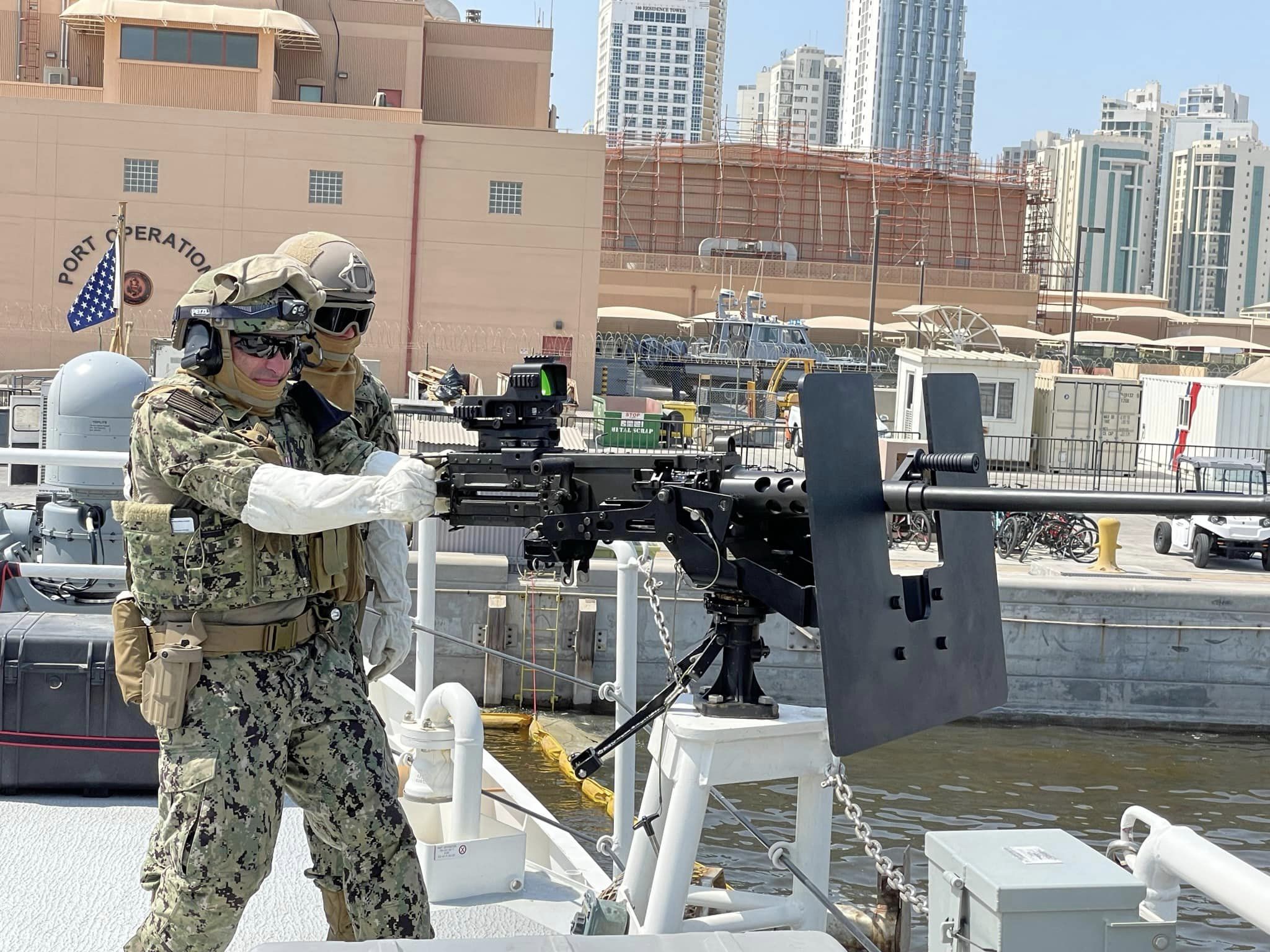
PATFORSWA has sophisticated gun sight on .50 cal.

I ran across the photo above on the PATFORSWA Facebook page. (The photo was posted in Oct. 2022.) For some time, I have been advocating for improvements over our existing crew served .50 caliber mounts, if not outright replacement, then at least better protection and greater accuracy. When I saw this photo, I was pleased to see this more sophisticated gun sight. I believe this is the sight I did a 2017 post about. The post was in reference to a report from Defense News. There is a night vision version of this sight.

I don’t have any knowledge about the extent of the use of this sight. It may have been a one-of-a-kind evaluation, but I found it encouraging. It is perhaps, something to look for. Would not hurt if these became standard on all cutters.

Late addition:

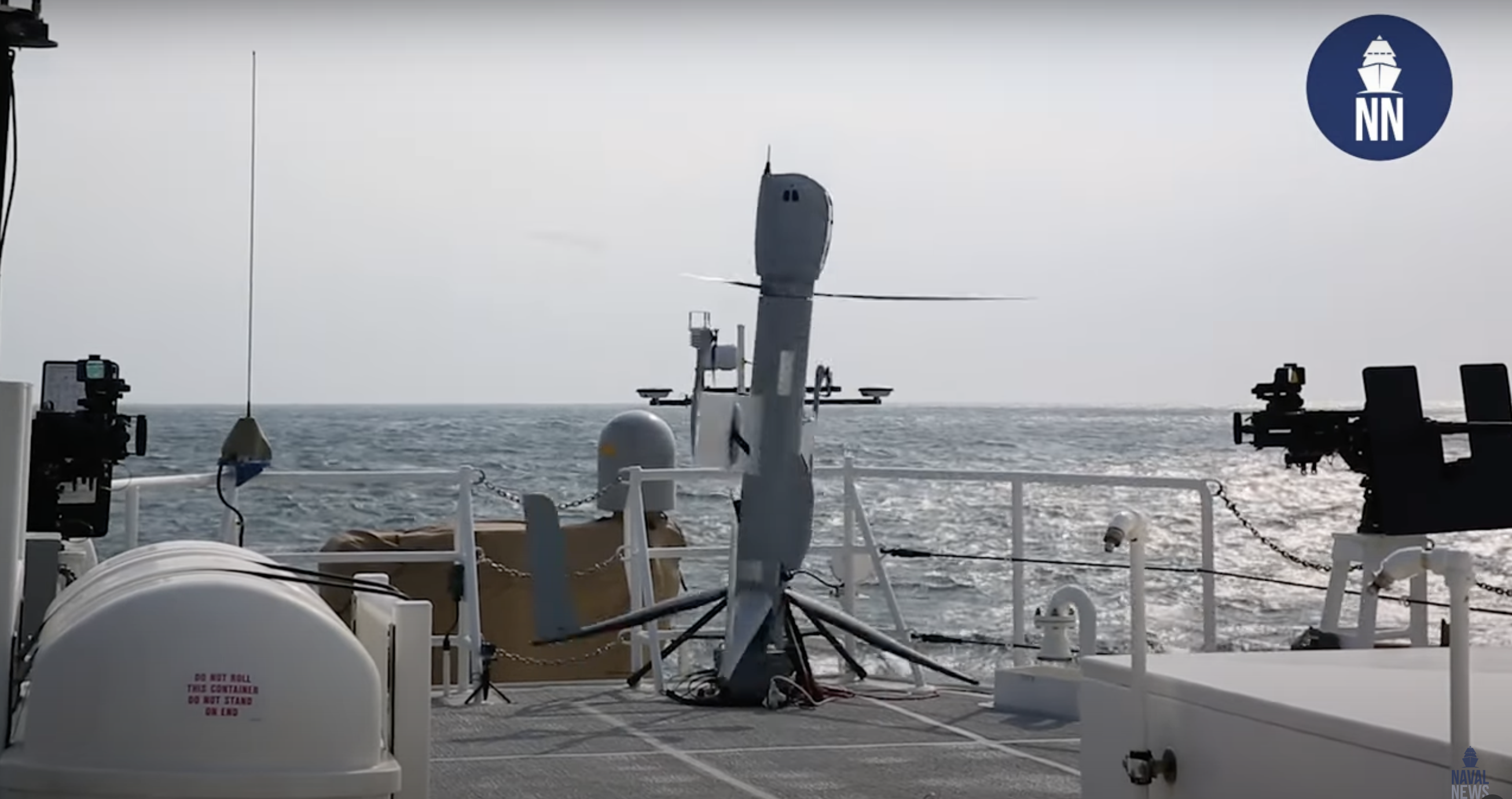
Screen grab. Flexrotor launching from USCGC Emlen Tunnell (WPC 1145). Also note the sight on the M2 .50 caliber machine gun mounts.