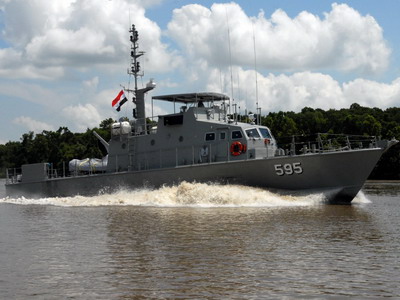
“US approves possible sale of Swiftships patrol boats to Egypt” –Defense Web

Defense Web reports,

“A DSCA statement on 10 January reported the proposed sale of an undisclosed number of 28 metre patrol craft kits and related equipment was approved, at an estimated cost of $129 million.”

This would be the latest in an ongoing program of coproduction of Swiftship patrol boats assembled in Egypt.

I would question the claim that 49 vessels would make this “The World’s Most Serial Produced Vessel” since there are already 54 Webber class FRCs and there were 73 Coast Guard 87 footers.

Presumably these are going to the Egyptian Coast Guard which is a branch of the Egyptian Army.

A previous contract for 6 of these cost $22.1M or about $4M each. That would suggest that this $129M contract would buy 32 boats. The contract may include some additional equipment to backfit boats already completed or under contract, but still, this should at least bring their entire fleet up to about the 50 boats which is their reported requirement.

“Egypt and Swiftships have started co-market the 28-meter CPC to North African allied partners to the US.”

So, it is possible some of these vessels may go to other North African nations.

Technical specifications are here.

“‘Blue Africa’ Partnership Seeks to Curb Annual $10B Loss from Illegal Fishing” –USNI

Comparison of Africa size with other continents. From Wikipedia, by Jacopo Bertolotti.

The US Naval Institute News Service reports

“Faced with an annual $10 billion loss from Illegal, unreported and unregulated fishing, West African nations are moving to work together to better understand and police their exclusive economic zones as a group, the head of U.S. Naval Forces in Europe and Africa told USNI News last month.”

Not surprisingly the Coast Guard was involved.

The idea for a combined push emerged at the first African Maritime Forces Summit held in March at Cabo Verde organized by NAVEUR. Navy Secretary Carlos Del Toro and Coast Guard Commandant Adm. Linda Fagan represented the U.S. along with 80 other countries.

Fisheries management in African waters requires regional cooperation. As I noted in a 2014 post, among other problems, there are so many countries in Africa (54 countries, at least 32 with coastlines) that their individual EEZs are too small to manage fishing stocks. If one country attempts to rebuild stocks by reducing fishing, a neighboring country may take advantage of their sacrifice and undo their efforts.

The USNI post talks about replicating something like Joint Interagency Task Force South in U.S. Southern Command. The NAVCENT sponsored Combined Maritime Forces might also serve as a model. There is also the South Pacific Regional Fisheries Management Organisation that might also serve as a model. Bilateral shiprider agreements could also be useful.

The Coast Guard has been working with African Nations for some time now.

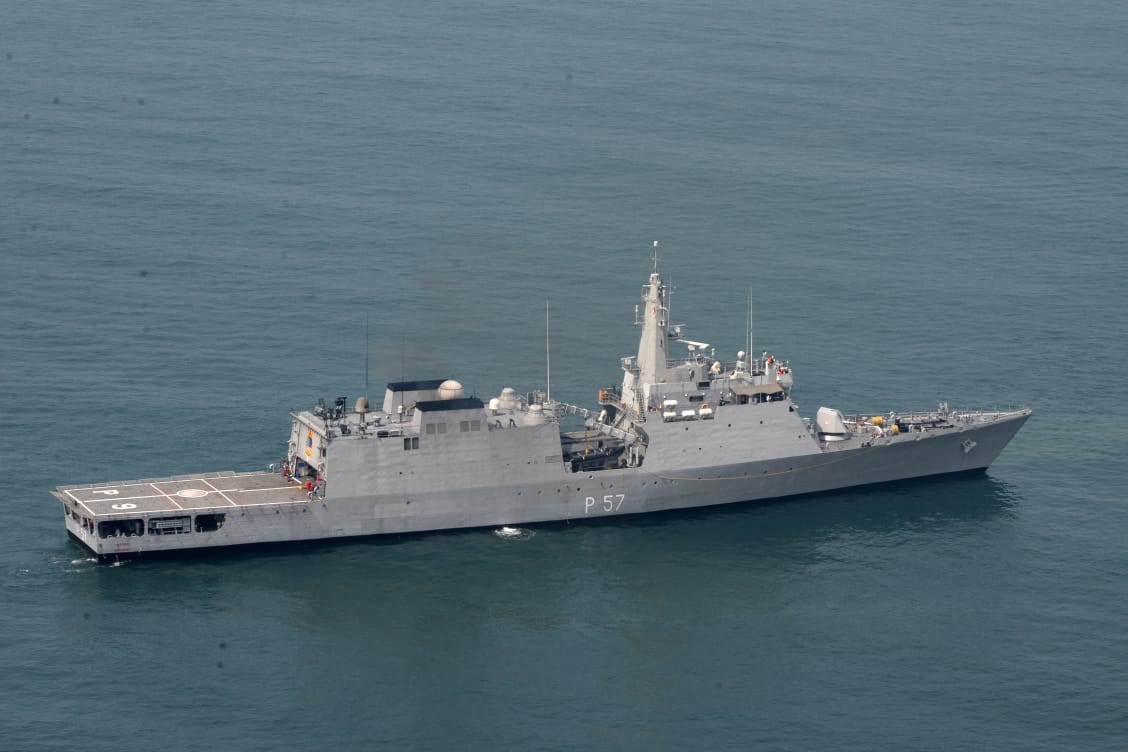
“Indian Navy’s INS Sunayna Pays Visit to Beira, Mozambique” –BNN

INS Sunanya (P57) at sea, 21 May 2020. Photo Credit: Indian Ministry of Defence.

BNN reports on the visit of the Indian Navy Offshore Patrol Vessel Sunayna to the Nation of Mozambique.

During the port call, personnel from the Indian Navy and the Mozambique Navy engaged in a variety of professional and training engagements, deck visits, and sporting events. Joint training sessions in navigation, fire fighting, damage control, VBSS, and asymmetric warfare were held as part of the maritime partnership exercise.

Sounds like they were engaged in the same sort of “capacity building” the US Coast Guard engages in. Fishing is an important part of the Mozambique economy so Illegal, Unregulated, and Unreported fishing is a problem for them.

There has been increasing cooperation between the US and India in response to Chinese aggressiveness. We might want to spend a little time with the Indian Navy/Coast Guard to gain their insights and benefit the efforts of both nations. Perhaps the Coast Guard should participate in the annual Malabar exercise.

INS Sunayna (P57) is a 105 meter (344 foot) Saryu class Offshore Patrol Vessel. May be worth noting that this visit was done by the Indian Navy rather than the Indian Coast Guard, though they have similar ships.

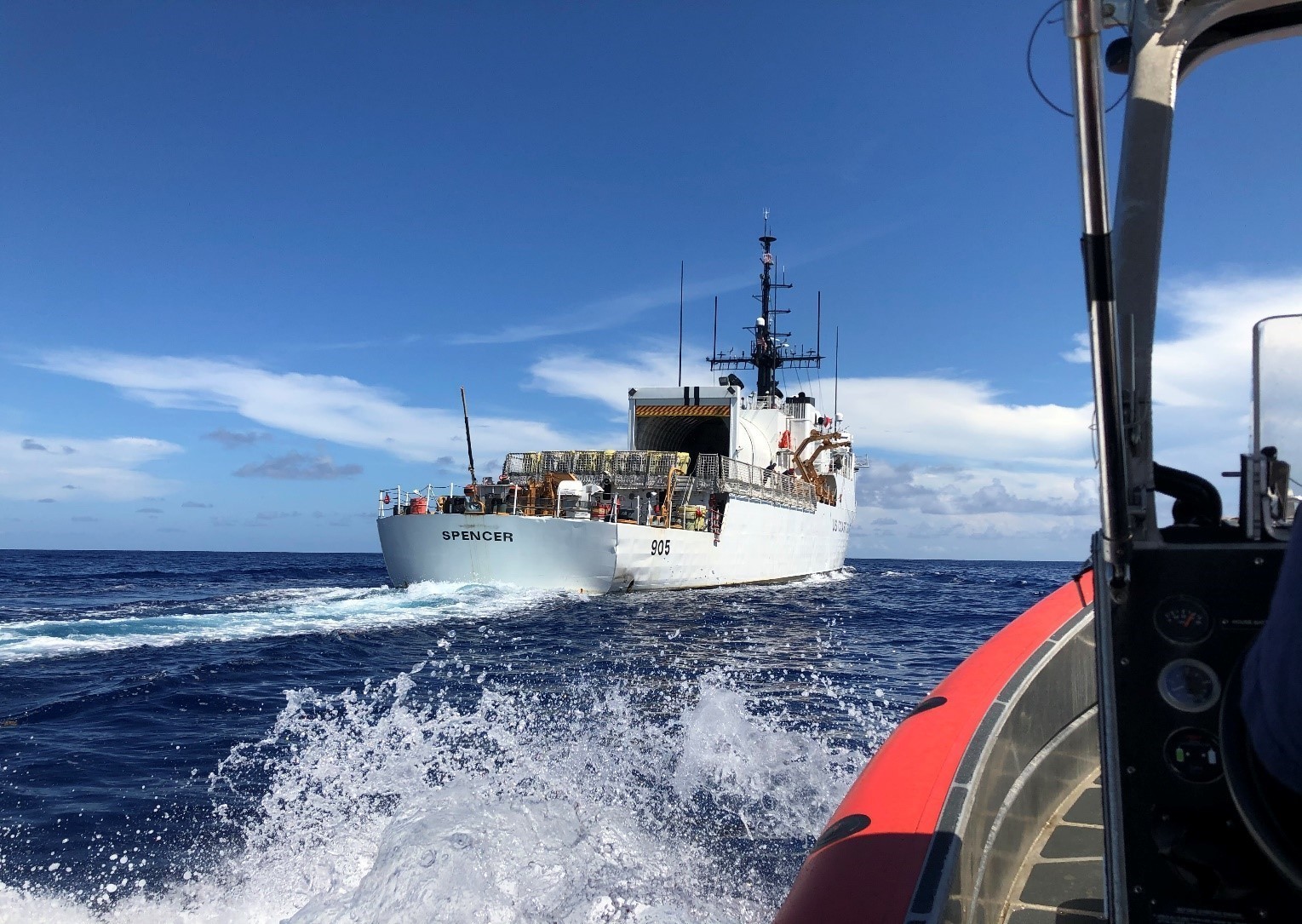
“USCGC Spencer (WMEC 905) completes multinational maritime security patrol, arrives in Dakar, Senegal” –U.S. Naval Forces Europe and Africa/U.S. Sixth Fleet

DAKAR, Senegal – U.S. Coast Guard Lt. Cmdr. Nicholas Forni, executive officer aboard USCGC Spencer (WMEC 905) and Lt. Jacob Balchikonis, operations officer aboard Spencer, meet with Lt. Col. Sam Kunst, U.S. Marine Corps Attaché to Dakar, Senegal, Jan. 17, 2023. Spencer is on a scheduled deployment in the U.S. Naval Forces Africa area of responsibility, employed by the U.S. Sixth Fleet, to carry out joint training, exercises, and maritime security operations alongside AFRICOM partners in support of U.S. interests abroad, regional partnerships, and to strengthen international maritime governance. (U.S. Coast Guard photo)

The activities reported in the news release below have become a fairly routine deployment for Atlantic Area 270 foot WMECs. I expect Spencer will also participate in Exercise Obangame Express 2023.

Jan. 19, 2023

USCGC Spencer (WMEC 905) completes multinational maritime security patrol, arrives in Dakar, Senegal

By U.S. Naval Forces Europe and Africa/U.S. Sixth Fleet

The Famous-class medium endurance USCGC Spencer (WMEC 905) arrived in Dakar, Senegal for a scheduled port visit following a multinational maritime security patrol, Jan. 17, 2023.

Spencer’s visit to Dakar included meetings with Capt. Karim Mara, Senegalese deputy chief of naval staff, as well as leaders from the Senegalese Navy and the U.S. Office of Security Cooperation. Prior to the port visit, Spencer embarked maritime counterparts from Cabo Verde, Senegal and The Gambia for a security patrol to identify and deter illegal, unreported, unregulated (IUU) fishing as well as build living marine resource enforcement capacity with African partner nations.

“We were able to build maritime domain awareness with our partners by establishing an offshore law enforcement presence that demonstrated Cabo Verde’s, Senegal’s, and The Gambia’s commitment to maritime security and living marine resource enforcement. We did this by conducting combined maritime law enforcement operations and effectively communicating and coordinating with each country’s Maritime Operations Center,” said Cmdr. Corey Kerns, Spencer’s commanding officer.

This deployment demonstrates NAVAF and the U.S. Coast Guard’s commitment and longstanding partnership to work with our African partners to counter illicit maritime activity in the Atlantic Ocean. The U.S. Coast Guard regularly integrates and operates within the NAVAF area of operations. The U.S. Coast Guard’s authorities and capabilities provide the Joint Force with unique tools that bridge the cooperation-to-conflict continuum.

Senegal and the United States share a proud history of promoting peace and security in Africa. Later this month, Senegal will participate in the NAVAF-led exercise Obangame Express 2023, the largest annual maritime security exercise in Western Africa. These types of exercises strengthen partnerships and allow countries to work more closely on shared transnational maritime challenges.

“The United States and Senegal enjoy an exceptional security partnership that bolsters our shared efforts to promote peace and security in West Africa, combat illegal, unreported, and unregulated fishing, and protect marine resources,” said Mike Raynor, U.S. Ambassador to Senegal. “The arrival of USCGC Spencer to Dakar reflects that robust partnership.”

The U.S. shares a common interest with African partner nations in ensuring security, safety, and freedom of navigation on the waters surrounding the continent, because these waters are critical for Africa’s prosperity and access to global markets.

U.S. Coast Guard Atlantic Area, headquartered in Portsmouth, Virginia, oversees all Coast Guard operations east of the Rocky Mountains to the Arabian Gulf, spanning across five Coast Guard districts and 40 states.

For over 80 years, U.S. Naval Forces Europe-U.S. Naval Forces Africa (NAVEUR-NAVAF) has forged strategic relationships with allies and partners, leveraging a foundation of shared values to preserve security and stability.

Headquartered in Naples, Italy, NAVEUR-NAVAF operates U.S. naval forces in the U.S. European Command (USEUCOM) and U.S. Africa Command (USAFRICOM) areas of responsibility. U.S. Sixth Fleet is permanently assigned to NAVEUR-NAVAF, and employs maritime forces through the full spectrum of joint and naval operations.

International Exercise Obangame Express 2023 Set to Begin

U.S. Coast Guard Cutter Spencer (WMEC 905) underway on patrol in the Eastern Pacific, January 2021. The crew covered over 11,000 miles seizing over $10 million of drugs and assisted in disrupting transnational crime organizations. (U.S. Coast Guard courtesy photo/Released)

Below is a US Navy press release. I anticipate USCGC Spencer will participate along with Coast Guard special teams.

International Exercise Obangame Express 2023 Set to Begin

09 January 2023

From U.S. Naval Forces Europe and Africa / U.S. Sixth Fleet Public Affairs

NAPLES, Italy – Exercise Obangame Express 2023 (OE23), the largest multinational maritime exercise in Western and Central Africa, will kick off its 12th year with 29 participating nations at an opening ceremony in Lagos, Nigeria, Jan. 23, 2023.

Conducted by U.S. Naval Forces Africa (NAVAF) and sponsored by U.S. Africa Command (AFRICOM), OE23 is designed to improve regional cooperation, information-sharing practices, and tactical interdiction expertise to enhance the collective capabilities of participating nations to counter Illegal, Unreported, Unregulated (IUU) fishing and other sea-based illicit activity.

AFRICOM assists African partners with protecting their maritime economy in order to ensure continued sustainable use of maritime resources and enable the security and stability of global maritime trade.

OE23, one of three NAVAF-facilitated regional exercises, provides collaborative opportunities for African and U.S. forces, and international partners to address shared transnational maritime concerns. NAVAF’s ongoing maritime security cooperation with African partners focuses on maritime safety and security through increased maritime awareness, response capabilities, and infrastructure.

“Exercise Obangame Express 23 provides an excellent opportunity to strengthen regional cooperation and share tactics, techniques and procedures for deterring transnational maritime security challenges,” said Rear Adm. Chase Patrick, director of maritime headquarters, NAVAF. “Together, we are creating a more secure, safe, and economically prosperous maritime environment for Africa’s coastal nations and the global community.”

Nigeria will host this year’s exercise in its capital city of Lagos. The exercise will also feature multiple at sea and ashore training events throughout the Gulf of Guinea and the Southern Atlantic Ocean, including exchanges on boarding techniques, search and rescue operations, medical casualty response, radio communication, and information management techniques.

The 29 nations scheduled to participate in OE23 include Angola, Benin, Brazil, Cabo Verde, Cameroon, Canada, Cote d’Ivoire, Democratic Republic of Congo, Denmark, Gabon, Gambia, Ghana, Guinea-Bissau, Italy, Liberia, Morocco, Namibia, Netherlands, Nigeria, Poland, Portugal, Republic of Congo, Sao Tome & Principe, Senegal, Sierra Leone, Togo, and the United States. Also participating will be the Economic Community of West African States (ECOWAS) and the Economic Community of Central African States (ECCAS).

For more than 80 years, U.S. Naval Forces Europe-U.S. Naval Forces Africa (NAVEUR-NAVAF) has forged strategic relationships with allies and partners, leveraging a foundation of shared values to preserve security and stability.

Headquartered in Naples, Italy, NAVEUR-NAVAF operates U.S. naval forces in the U.S. European Command (USEUCOM) and U.S. Africa Command (USAFRICOM) areas of responsibility. U.S. Sixth Fleet is permanently assigned to NAVEUR-NAVAF and employs maritime forces through the full spectrum of joint and naval operations.

“Global Piracy Incidents Fall to Lowest Level in Decades” –gCaptain

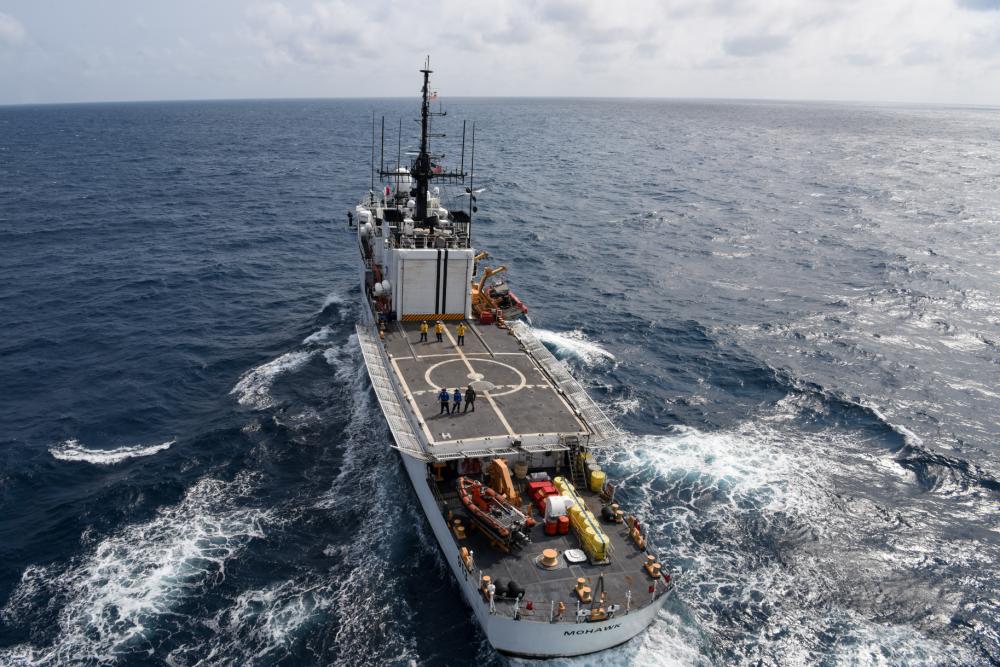
USCGC Mohawk sails alongside a Nigerian navy ship in the Atlantic Ocean, Aug. 22, 2022. Mohawk was on deployment in the U.S. Naval Forces Africa area of operations. (Jessica Fontenette/U.S. Coast Guard)

gCaptain reports,

“Incidents of maritime piracy and armed robbery attacks last year fell to the lowest recorded level in almost three decades…”

While incidents are up in Southeast Asia, there has been a notable drop in incidents in the Gulf of Guinea, where the Coast Guard has been actively engaged in capacity building.

“The Gulf of Guinea saw a continued and much needed reduction is attributed to an overall decrease of pirate activity, with the number of incidents falling from 35 in 2021 to 19 in 2022.”

Off Somalia there has been both a sustained counterpiracy effort and allied patrols to interdict arms bound for rebels in Yemen.

“For a fourth year in row, there were no incidents of piracy or armed robbery by Somali-based pirates…”


USCGC Spencer (WMEC 905) arrives in Praia, Cabo Verde” –LANT Area

U.S. Coast Guard Cutter Spencer (WMEC 905) underway on patrol in the Eastern Pacific, January 2021. The crew covered over 11,000 miles seizing over $10 million of drugs and assisted in disrupting transnational crime organizations. (U.S. Coast Guard courtesy photo/Released)

Below is an Atlantic Area news release reporting the arrival of Cutter Spencer for operations off West Africa. This is getting to be almost routine, and it seems to have become a regular assignment for 270 foot WMECs. As can be seen by these previous reports, Spencer was preceded by Mohawk, Bear, and Thetis.

These operations, as well as those in the Western Pacific and SW Asia, demonstrate a recognition of the Coast Guard’s utility as an instrument of foreign policy and show that smaller cutters can be used in some of these roles, in some cases, reaching ports larger vessels might not be able to enter.

News Release

U.S. Coast Guard Atlantic Area

USCGC Spencer (WMEC 905) arrives in Praia, Cabo Verde

Download Image Link

Editors’ Note: To view more or download high-resolution imagery, click on the photo above

By U.S. Naval Forces Europe and Africa/U.S. Sixth Fleet

PRAIA, Cabo Verde – The Famous-class medium endurance USCGC Spencer (WMEC 905) arrived in Praia, Cabo Verde for a scheduled port visit Monday.

This port visit marks the first stop for Spencer, while employed by U.S. Sixth Fleet in the U.S. Naval Forces Europe and Africa (NAVEUR-NAVAF) area of operations. Spencer’s visit to Praia demonstrates NAVAF and the U.S. Coast Guard’s commitment and longstanding partnership to work with our African partners to counter illicit maritime activity in the Atlantic Ocean. During the port visit, Spencer will embark maritime counterparts from Cabo Verde, Senegal and The Gambia.

“The crew is excited for this unique opportunity, and we look forward to working with our partners to regulate fisheries and combat illegal, unreported, and unregulated fishing,” said Cmdr. Corey Kerns, Spencer’s commanding officer.

The U.S. Coast Guard regularly integrates and operates within the NAVAF area of operations. The U.S. Coast Guard’s authorities and capabilities provide the Joint Force with unique tools that bridge the cooperation-to-conflict continuum.

Cabo Verde is an important partner of the United States in promoting peace and security in Africa. In December 2022, the U.S. and Cabo Verde signed a memorandum of understanding for defense cooperation between the two countries, which will focus on continuing to counter illicit maritime activities through security cooperation. Later this month, Cabo Verde will participate in the NAVAF-led exercise Obangame Express 2022, the largest annual maritime security exercise in Western Africa. These types of exercises strengthen partnerships and allow countries to work more closely on shared transnational maritime challenges.

“The U.S. Embassy in Praia proudly welcomes the arrival of U.S. Coast Guard Cutter Spencer to Cabo Verde.  This ship visit is yet another example of the growing cooperation between U.S. and Cabo Verdean maritime forces, which is improving safety and security for our two nations and the entire region,” said Jeff Daigle, U.S. Ambassador to Cabo Verde.

The U.S. shares a common interest with African partner nations in ensuring security, safety, and freedom of navigation on the waters surrounding the continent, because these waters are critical for Africa’s prosperity and access to global markets.

In April 2022, as part of the African Maritime Law Enforcement Partnership (AMLEP), the U.S. and African maritime forces, led by Cabo Verde, worked in coordination with the Maritime Analysis and Operations Centre – Narcotics (MAOC-N), the International Police (INTERPOL), and Cabo Verde’s national Maritime Operations Center (COSMAR) to conduct a compliant boarding of a fishing vessel, which led to the seizure of approximately 6,000 kilograms of suspected cocaine with an estimated street value of more than $350 million.

The Famous-class medium endurance cutters support the U.S. Coast Guard’s maritime law enforcement and search and rescue missions. These cutters are capable of supporting flight operations with either a MH-65 Dolphin or a MH-60 Jayhawk.

U.S. Coast Guard Atlantic Area, headquartered in Portsmouth, Virginia, oversees all Coast Guard operations east of the Rocky Mountains to the Arabian Gulf, spanning across five Coast Guard districts and 40 states.

For over 80 years, U.S. Naval Forces Europe-U.S. Naval Forces Africa (NAVEUR-NAVAF) has forged strategic relationships with allies and partners, leveraging a foundation of shared values to preserve security and stability.

Headquartered in Naples, Italy, NAVEUR-NAVAF operates U.S. naval forces in the U.S. European Command (USEUCOM) and U.S. Africa Command (USAFRICOM) areas of responsibility. U.S. Sixth Fleet is permanently assigned to NAVEUR-NAVAF, and employs maritime forces through the full spectrum of joint and naval operations.

-USCG-

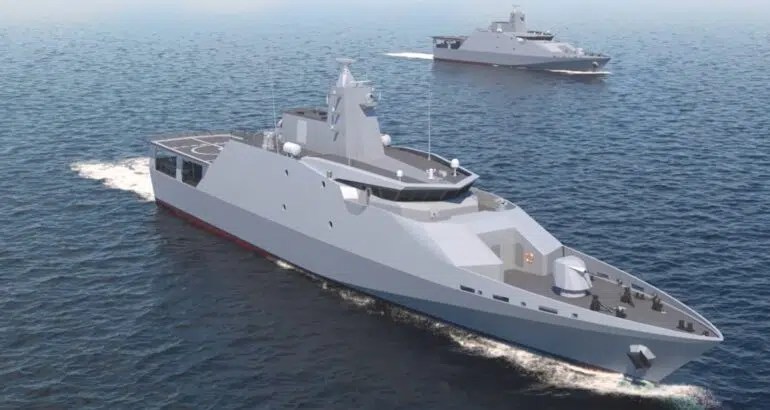
“Turkish Dearsan Lays Keel Of First Of Two OPVs For Nigeria” –Naval News

Rendering of HE OPV-76 vessels (Screenshot from Dearsan video–via Naval News)

Naval News reports,

Turkish Dearsan Shipyard laid the keel of the first of two high-endurance offshore patrol vessels (HE OPV 76) for the Nigerian Navy during a ceremony held at Dearsan’s facilities in Istanbul on September 16, 2022.

Turkey is becoming an increasingly capable and respected arms supplier and shipbuilder.

With a population of over 218 million, Nigeria is the most populous country in Africa and the sixth most populous in the world.

The Nigerian Navy and Coast Guard has an eclectic fleet sourced from the US, Europe, China, and Israel, along with some locally built small craft. They currently operates two of the former USCG 378 foot high endurance cutters which are their largest fully operational ships. Reportedly they also have four former USCG 180 foot buoy tenders and 15 USCG type “Defender class” Response Boat, Small.

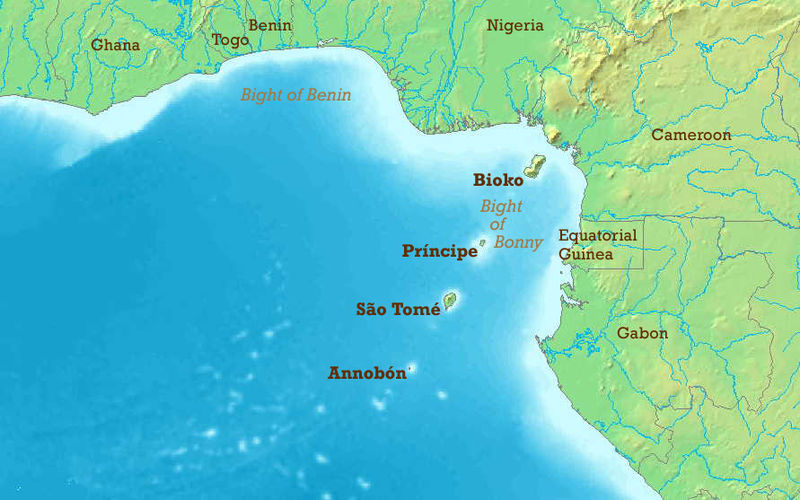
Gulf of Guinea, from Wikipedia

Nigeria’s territorial sea and EEZ is relatiely small, less than 2% that of the US, but their marine environment is complex with a history of piracy and smuggling, with many countries in and around the Gulf of Guinea complicating jurisdiction.

The New OPVs:

We talked about these ships earlier.

There have been some, mostly minor changes in the specs:

The reported displacement is likely to be light displacement since, these ships are considerably larger than the 1,127 ton full load Reliance class and nearly as large as the 1,800 ton Bear class. Given their range, they don’t carry a lot of fuel, so I would expect about 1,500 tons full load.

The armament is lighter than initially reported (earlier reports indicated 76mm + 40mm +  MBDA Simbad RC systems for Mistral short range surface to air missiles). The electronics also appear to have been simplified. This was probably a cost saving measure, but the ships remain better armed than most OPVs of comparable size, in that they have two medium caliber guns rather than just one, probably a good idea. The provision for at least three, probably four, electro optic devices mounted on the weapon stations mean they are particularly well provided for in this respect.

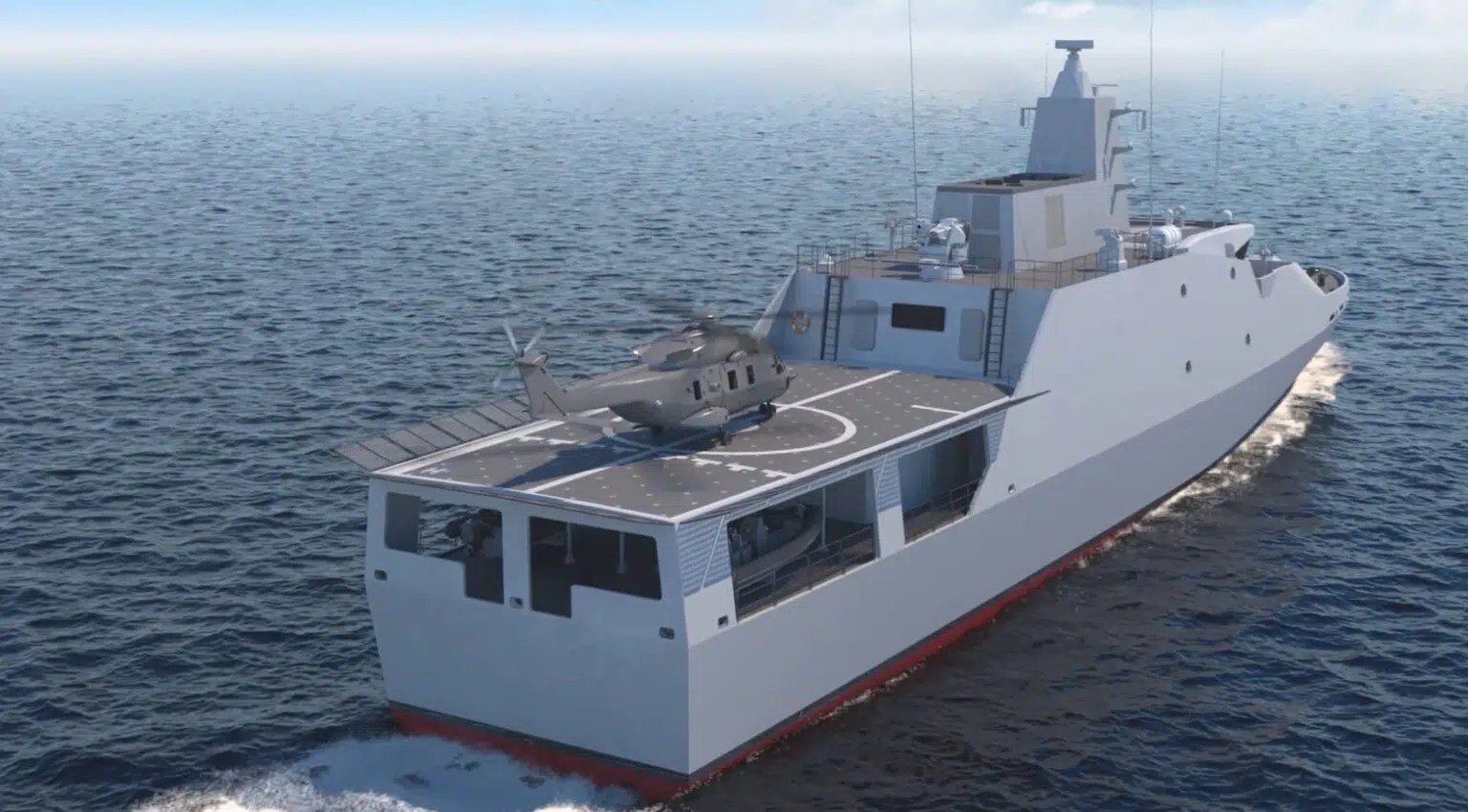
Back view of the HE OPV-76 rendering while conducting helo ops (Screenshot from Dearsan video–via Naval News)

We see an illustration of what the stern of the ship looks like. No hangar is provided.

There might be an issue with the boat handling arrangement. Boats are visible under the flight deck, but neither davits nor stern ramps are really visible. Looks like stanchions and the centerline support at the transom preclude a single centerline boat launch ramp like the NSCs have.

Twin launch ramps also appear unlikely. There no visible ramp doors, and the RHIBs we can see do not appear to be on an incline.

Arms might extend outward from under the flight deck to act as davits. If that is the case, with the boats so far aft of the center of pitch, there may be difficulties when the ship is pitching. That may require them to seek a heading that will minimize pitch, just as cutters with stern ramps do, when the boat returns to the cutter, but with the boats being suspended during launch and recovery, they would also want to minimize roll.

USCGC MOHAWK’s Trans-Atlantic, Europe and West Africa Deployment–Wrap Up

I love the T-shirt, great morale builder. U.S. Coast Guard Petty Officer 3rd Class Andrea Daring, an operations specialist temporarily assigned to the U.S. Coast Guard Cutter Mohawk, cleans the bulk heads during a fresh water wash down of the ship while underway in the Atlantic Ocean, Aug. 10, 2022.  (U.S. Coast Guard photo by Petty Officer 3rd Class Jessica Fontenette) 

Below is a media advisory concerning the expected return of USCGC Mohawk from a 92 day deployment that included escorting two PATFORSWA bound Webber class patrol craft accross the Atlantic and port visits and capacity building in Europe and West Africa.

Maybe we need a new slogan, “Join the Coast Guard and see the World.”

It was an unusually very well documented cruise, at least photographically, check it out.
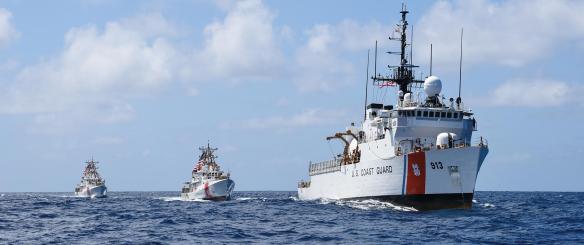
USCGC Mohawk (WMEC-913), Clarence Sutphin Jr. (WPC-1147), and John Scheuerman (WPC-1146)

USCGC Mohawk sails alongside a Nigerian navy ship in the Atlantic Ocean, Aug. 22, 2022. (Jessica Fontenette/U.S. Coast Guard)

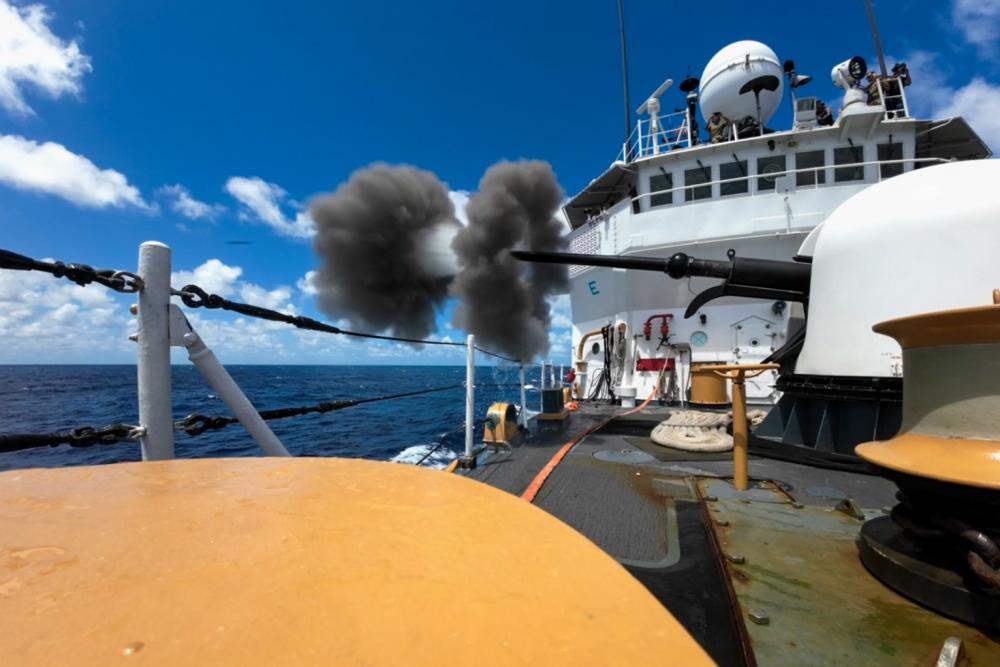
USCGC Mohawk (WMEC 913) conducts a MK-75 gun exercise while underway in the Atlantic Ocean, Sept. 2, 2022.  (U.S. Coast Guard photo by Petty Officer 3rd Class Jessica Fontenette)

Crew members onboard the USCGC Mohawk (WMEC 913) prepare for helicopter hoist training on the flight deck while underway in the Atlantic Ocean, Aug. 27, 2022. (U.S. Coast Guard photo by Petty Officer 3rd Class Jessica Fontenette)


Media Advisory

U.S. Coast Guard Atlantic Are

Coast Guard Cutter Mohawk to return from 92-Day AFRICOM deployment

KEY WEST, Fla. — USCGC Mohawk (WMEC 913) and crew are scheduled to return to their homeport Monday following a 92-day, United States Africa Command deployment.

WHO: Cmdr. Andrew Pate, Mohawk’s commanding officer, and Mohawk crew

WHAT: Mohawk crew returns to Key West homeport after 92-day, AFRICOM deployment

WHERE: Coast Guard Sector Key West, 201 Mustin St., Key West, Florida 33040, Delta 2 Pier

WHEN: 1 p.m. Monday, Sept. 12

Editor’s Note: Media are asked to RSVP by 4 p.m. Sunday to Atlantic Area Public Affairs at 757-452-8336. Media are requested to arrive no later than 12 p.m., Monday, with a driver’s license and proof of insurance in order to be processed through security.

Mohawk’s crew departed Key West, Florida in June and forward-deployed to the U.S. Naval Forces Europe –Africa area of operations, where they were employed by U.S. Sixth Fleet to defend U.S., allied and partner interests.

Mohawk began its deployment as surface action group commander, leading the transatlantic escort of two newly commissioned 154-foot fast response cutters, USCGC Clarence Sutphin Jr. (WPC 1147) and USCGC John Scheuerman (WPC 1146) from Key West, Florida to the U.S. Sixth Fleet area of operations. Clarence Sutphin Jr. and John Scheuerman continued on to their new homeport in Manama, Bahrain, where they will be employed by U.S. Fifth Fleet.

While on deployment, Mohawk made significant advances in combating piracy and illegal, unregulated, and unreported fishing conducting multinational law enforcement operations at sea in the Atlantic basin. Their efforts served to strengthen existing relationships with  African nations, and prioritized opportunities for new partnerships with allies who share common interests in the region. Mohawk’s crew worked closely with eight partner nation navies, sailing nearly 19,000 nautical miles in support of American interests abroad. Leading training exercises at-sea and in port, Mohawk also hosted diplomatic engagements and participated in community relations events during port visits to Côte d’Ivoire, Ghana, Nigeria, Portugal, Senegal, Sierra Leone and The Gambia. Mohawk was the first United States warship to moor in The Gambia since 1994.

Commissioned in March 1991, Mohawk is the 13th and last of the Famous-class Coast Guard cutters. It is named for the Algonquin tribe of Iroquoian Indians who lived in the Mohawk Valley of New York, and is the third cutter to bear the name. Mohawk is homeported in Key West, Florida.

 Photos from Mohawk’s deployment are available here.

“Coast Guard carves out strategic niche in Africa” –Stars and Stripes

USCGC Mohawk manns the rail as she sails alongside a Nigerian navy ship in the Atlantic Ocean, Aug. 22, 2022. Mohawk is on a scheduled deployment in the U.S. Naval Forces Africa area of operations. (Jessica Fontenette/U.S. Coast Guard)

Stars and Stripes reports on the Coast Guard’s latest capacity building and counter IUU efforts in West African waters.

Previous related reports:

The second link immediately above includes additional links regarding previous similar efforts.