“Royal Bahamas Defence Force makes huge surge in migrant apprehensions” –The Watch

NorthCom’s online magazine, “The Watch,” reports,

The Royal Bahamas Defence Force (RBDF) announced that its migrant apprehensions increased dramatically in 2021 when compared with the previous year.

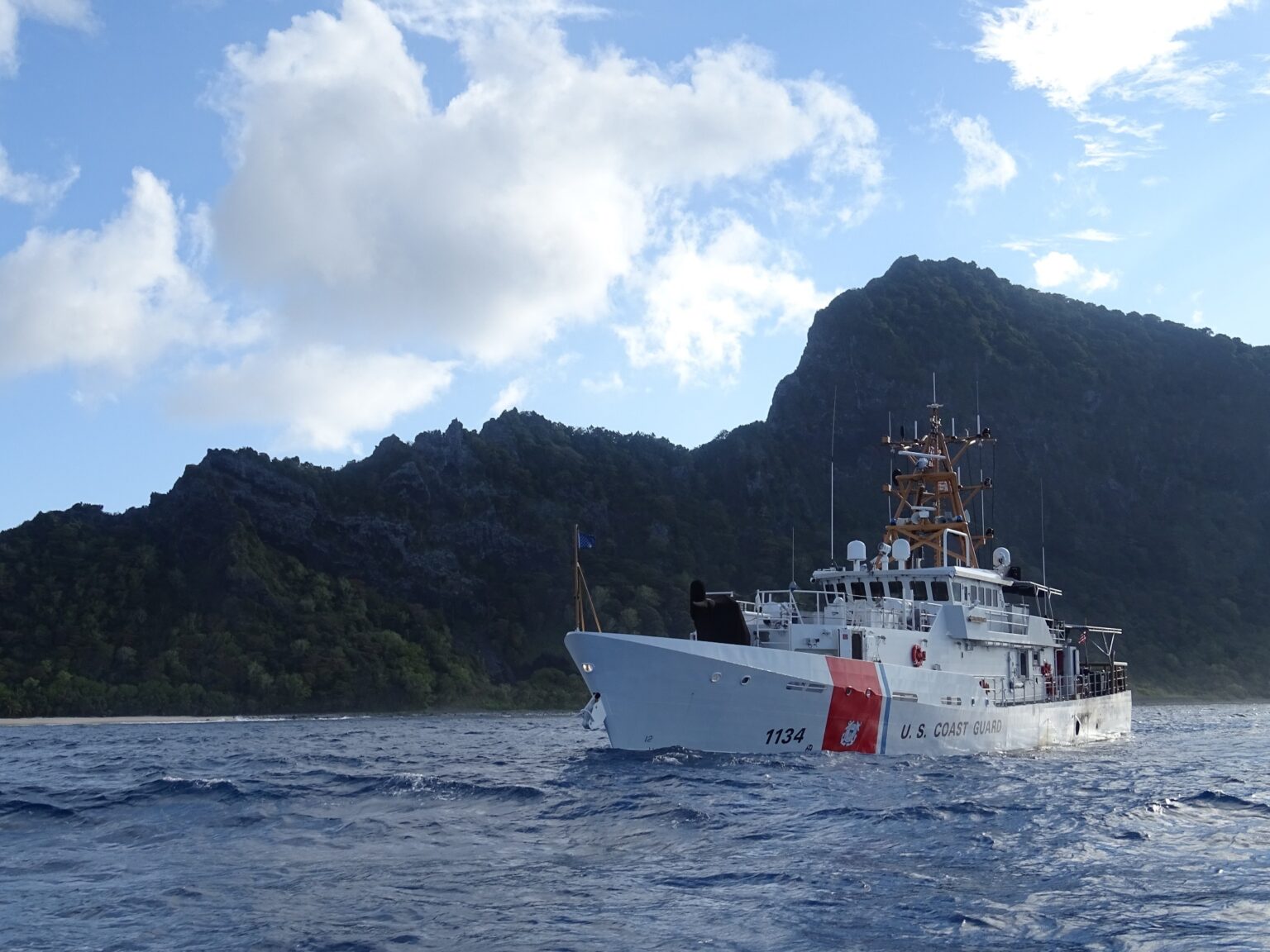
RBDF Commodore Raymond King said during a January 2022 news conference that detainments in the Bahamas increased by 456% in the past year, according to The Tribune, a Bahamian newspaper. King said the RBDF is faced with “people  smugglers” who are using more sophisticated methods to evade authorities.

This is really a success story with strong USCG involvement. There was also success reported in discouraging illegal fisheries poaching.

Related:

“MASTERING EXPEDITIONARY IUU FISHERIES ENFORCEMENT IN THE BAHAMAS” –CIMSEC

“U.S. upgrades Bahamas’ maritime security” –The Watch

Damen to Build New Patrol Boats for Bahamas

“Coast Guard Cutter Stratton visits Fiji during Operation Blue Pacific patrol” –D14 News Release

The Coast Guard Cutter Stratton passes underneath San Francisco’s Bay Bridge, June 12, 2019. U.S. Coast Guard photo by Petty Officer 1st Class Matthew S. Masaschi.

Below is a D14 news release regarding a type of operation we now see more frequently. Stratton has been away from home for 50 days and is still heading West. At least the crew is getting to see some exotic places. Hopefully COVID restrictions are not keeping the from going ashore.

The ships mentioned in the release, that Stratton has been working with are of interest. HMNZS Aotearoa is an ice capable underway replenishment ship. HMS Spey is a Royal Navy Offshore Patrol Vessel, one of two sent into Pacific and Indian Oceans.


News Release

U.S. Coast Guard 14th District Hawaii and the Pacific

Coast Guard Cutter Stratton visits Fiji during Operation Blue Pacific patrol

Editors’ Note: Click on images to download a high-resolution version.

SUVA, Fiji — The crew of the Coast Guard Cutter Stratton visited Fiji in February after being underway for 50-days in the Pacific combating illegal, unreported, and unregulated (IUU) fishing.

During the visit, Capt. Stephen Adler, the Stratton’s commanding officer, met with members of the Fijian media to discuss the Coast Guard’s partnership with Fiji and their combined effort to protect fisheries resources.

“Our relationships with our partner nations are more important than ever in combating illegal, unreported, and unregulated fishing,” said Adler. “We are pleased to work with our Fijian partners to maintain maritime sovereignty and security throughout the region.”

While in the country, the Stratton’s crew welcomed aboard three Fijian ship riders who, with the assistance of Stratton’s law enforcement boarding teams, will ensure compliance with applicable Fijian fishing laws within Fiji’s exclusive economic zone.

The Coast Guard’s mission to combat IUU fishing is essential in protecting maritime governance and a rules-based international order to ensure a free and open Indo-Pacific.

Bilateral shiprider agreements are a force multiplier for both Fiji and the Coast Guard because they allow Fijian law enforcement personnel to observe, protect, board, and search vessels suspected of violating laws or regulations within Fijian waters with the support of Coast Guard personnel and vessels.

Speaking recently during a visit to Fiji, Secretary Antony J. Blinken, the U.S. Secretary of State, stated “On security, just this week three shipriders from Fiji are joining the crew of the U.S. Coast Guard Cutter Stratton to conduct patrols in support of maritime sovereignty and security. The United States is proud that several of Fiji’s future leaders are being trained in our military academies.”

The fisheries industry is a significant source of food and income throughout the Pacific. Protecting this renewable resource is a priority for the United States and Pacific Island Countries as IUU fishing in the Pacific has global impacts and effects.

Recently IUU fishing has replaced piracy as the leading global maritime security threat and has the potential to have a global effect if unchecked.

Prior to visiting Fiji, the Stratton’s crew had been working with British, Australian, New Zealand, and French allied naval forces as well as the U.S. Navy in support of the Tongan government following the volcanic eruption on Jan 15th.

The crew also conducted a number of drills and exercises with allied partners including helicopter operations with the Armed Forces in French Polynesia, fueling at sea with the Royal New Zealand Navy Ship Aotearoa, and multiple maneuvering exercises with the Royal Navy HMS Spey.

The Stratton’s crew plans to visit Papua New Guinea as representatives of the Coast Guard and United States. Both the United States and Papua New Guinea are interested in signing a bilateral agreement to codify the two states’ strategic partnership in the Pacific and enable the Coast Guard to better assist Papua New Guinea in protecting the island nation’s sovereignty over its EEZ against IUU fishing.

The Stratton is a 418-foot national security cutter capable of extended, worldwide deployment in support of homeland security and defense missions. NSCs routinely conduct operations throughout the Pacific and Atlantic oceans; their unmatched combination of range, speed, and ability to operate in extreme weather provides the mission flexibility necessary to conduct vital strategic missions.

Operation Blue Pacific is an overarching multi-mission Coast Guard endeavor, promoting security, safety, sovereignty, and economic prosperity in Oceania while strengthening relationships between partner nations in the Pacific.

“ARGENTINA DEPLOYS NEW PATROL VESSELS TO COMBAT IUU FISHING” –CIMSEC

The former French Ship L’Adroit, now the Argentinian OPV, ARA Bouchard (P-51)

CIMSEC brings us a report on Argentina’s efforts to combat Illegal, Unreported, and Unregulated (IUU) Fishing.

The former L’Adroit and her three new construction ice-strengthened half-sisters are central to the story. I have long thought these ships epitomized a very disciplined approach to the design of an Offshore Patrol Vessel. Defense capabilities aside, they have everything you need in an OPV and nothing you don’t. They are the best example of my Cutter X concept. They are fast enough at 21 knots. They have enough seaworthiness and endurance (7,000-8,000 nmi at 12 knots). They have a helicopter deck and hangar. They have the boats they need. They have a small crew (30) but can accommodate 60.

That is not to say adding additional capabilities for defense does not make sense, but in affect they constitute a baseline for an OPV. When you start adding capabilities you could say, what is the cost/benefit compared to this baseline?

The post also includes an interesting proposal,

“Regional cooperation is vital to solving this security challenge, which can be achieved by modernizing the Inter-American Treaty of Reciprocal Assistance (Tratado Interamericano de Asistencia Recíproca: TIAR) into a 21st-century agreement that is also tasked with combating IUU fishing.”

“Coast Guard cutters begin Operation Aiga in Oceania” –D14

The crew of the Coast Guard Cutter Juniper (WLB 201) return to Honolulu after completing a 45-day patrol in Oceania in support of Operation ‘Aiga, Oct. 1, 2021. The Juniper is a 225-foot Juniper-Class seagoing buoy tender home-ported in Honolulu, the crew is responsible for maintaining aids to navigation, performing maritime law enforcement, port, and coastal security, search and rescue and environmental protection. (U.S. Coast Guard photo courtesy of Coast Guard Cutter Juniper)

Below is a D14 news release. These long distance/long duration operations pairing a buoy tender (WLB) and a Webber class WPC are getting to be fairly routine.

Buoy tenders are proving to be good PC tenders as well. This is a good demonstration of the multi-mission nature of Coast Guard buoy tenders and support for the contention that the buoy tender function should not be passed off to some other agency or outsourced.

Wonder if they might be able to support more than one patrol craft at a time?

(The photo in the news release below is of a different Juniper class WLB, USCGC Elm)

News Release

U.S. Coast Guard 14th District Hawaii and the Pacific

Coast Guard cutters begin Operation Aiga in Oceania


Editors’ Note: Click on Coast Guard stock images to download a high-resolution version.

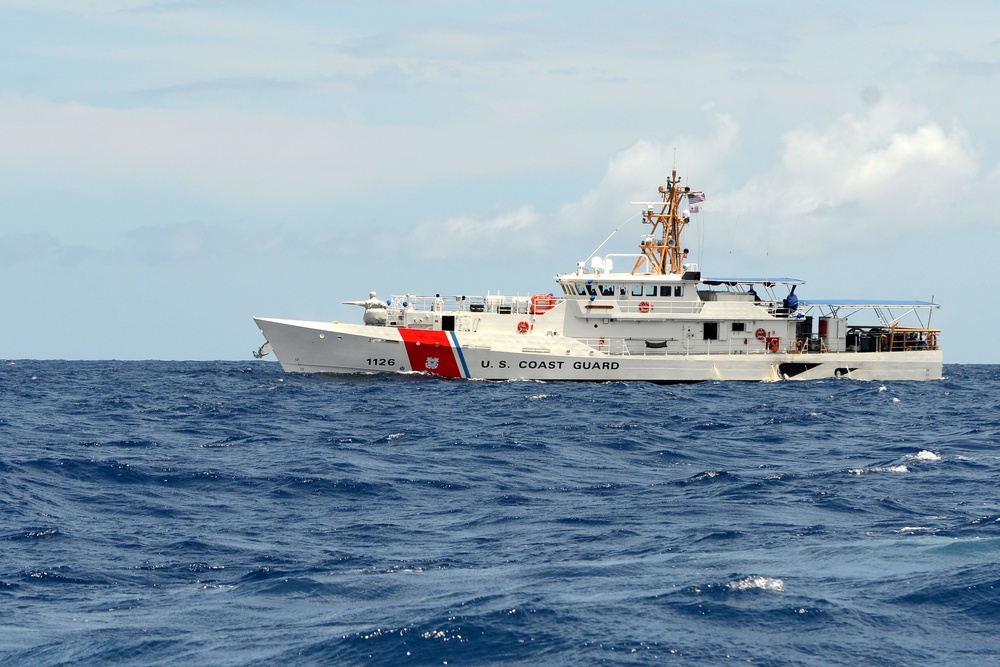
HONOLULU — The crews of the Coast Guard Cutter Juniper (WLB 201) and Joseph Gerczak (WPC 1126) will aim to extend the Coast Guard’s at-sea enforcement presence in the region through a 40-day patrol.

“Aiga,” the Samoan word for family, is designed to integrate Coast Guard capabilities and operations with Pacific Island Country (PIC) partners in order to protect shared national interests, combat illegal, unreported, and unregulated fishing, and strengthen maritime governance in Oceania.

“Responsible fisheries management is vital to the Pacific’s well-being, prosperity, and security,” said Lt. Cmdr. Jessica Conway, the 14th District’s current operations officer. “The Coast Guard is an adaptable, responsive military force of maritime professionals whose broad legal authorities, capable assets, and expansive partnerships provide a persistent presence throughout our exclusive economic zones (EEZ) and on the high seas.”

IUU fishing operates outside the rules adopted at the national and international level. It threatens the ocean’s ecosystem, food security, and economic growth around the world by undercutting law-abiding fishermen and communities that depend on fish and fish products.

“An essential protein source for more than 40% of the world’s population, fish stocks are critical to maritime sovereignty and resource security of many nations,” said Cmdr. Christopher Jasnoch, the Juniper’s commanding officer.

As part of Operation Blue Pacific 2022, the crews of the Juniper and Joseph Gerczak will conduct information sharing activities to advance the U.S.’s bilateral and cultural relationships with Melanesia and Polynesia.

The Coast Guard regularly exercises bilateral shiprider agreements with partner nations. These agreements help to host foreign law enforcement personnel to better exercise their authority; closing any global maritime law enforcement gaps, improve cooperation, coordination, and interoperability.

Operation Blue Pacific is an overarching multi-mission Coast Guard endeavor seeking to promote maritime security, safety, sovereignty, and economic prosperity in Oceania while also strengthening relationships with our partners in the region.

“To ensure a free and open Indo-Pacific, the U.S. remains committed to strengthening regional alliances and enhancing emerging partnerships,” said Lt. Joseph Blinsky, Joseph Gerczak’s commanding officer. “Leading global deterrence efforts, the Coast Guard likewise remains committed to combating IUU fishing and our crews look forward to collaborating with PICs to better address this growing national security concern.”

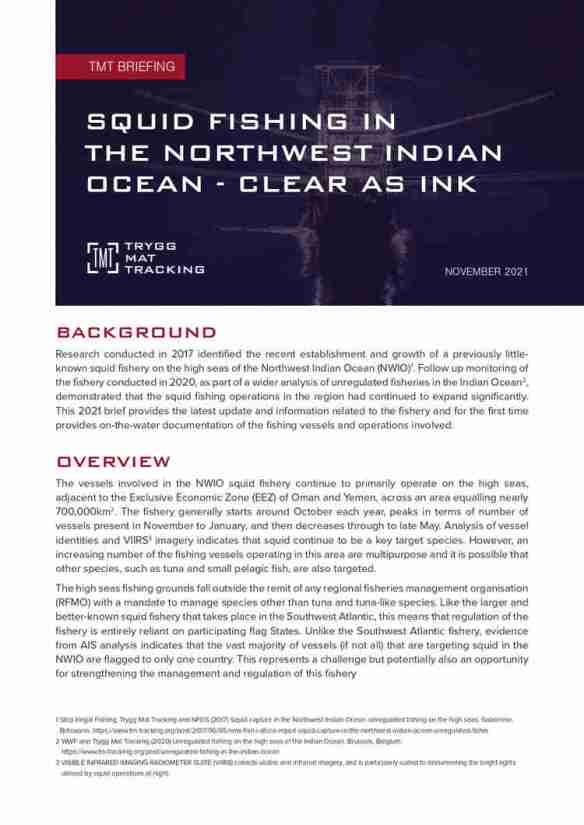
“New Analysis: Squid Fishing North West Indian Ocean: Clear as Ink” –Trygg Mat Tracking

Below is an announcement of publication of a brief from Trygg Mat Tracking (TMT), regarding Illegal, Unregulated, Unreported (IUU) fishing in the Northwest Indian Ocean.

I think this is something the Coast Guard units of PATFORSWA might become involved with, at least in a training and capacity building role.

This is a quote from the website explaining how TMT sees its mission.

“TMT provides national fisheries authorities and international organisations with fisheries intelligence and analysis, to assist enforcement actions and broader improvements in fisheries governance.  While TMT works with governments and organisations worldwide, particular focus is on targeting illegal fishing and associated fisheries crime in and near African waters and assisting coastal African States.”


New Analysis: Squid Fishing North West Indian Ocean: Clear as Ink

December 8th 2021: TMT has been monitoring the high seas squid fishery taking place in the northwest Indian Ocean since 2017. The fishery is currently unregulated and has seen significant expansion year on year.

Earlier this year we were able for the first time to ground truth and document the activities of some of the vessels involved at sea – rather than relying on AIS and other satellite sources only – and have produced a brief: Squid Fishing in the North West Indian Ocean: Clear as Ink.

The brief provides extensive images of the fishing activities taking place. This has provided us with extensive new understanding of this operation, but also raises many new questions and concerns.

Key findings of our analysis include:

·        There are very low levels of AIS transmission by some vessels – a significant number of vessels were identified which transmitted over AIS whilst en route to the region and then switched AIS off or transmitted only very intermittently whilst on the fishing ground. Further to this, the quality of identifying information transmitted over AIS was often poor, making it challenging to monitor the fishery.

·        Transshipment at sea was documented from fishing vessels to reefers, confirming that this is an important component of the operation.

·        There are indications of potential EEZ incursions into Oman and Yemen by vessels in the fleet, but no clarity if these are licensed or not.

·        The vast majority of the vessels were identified as Chinese. Equally the majority of relevant port calls by both fishing vessels and reefers are in China. Chinese research vessels have also been active in the area.

·        All vessels documented in the fishery are using a type of gear we have not previously observed, involving large ‘dip’ nets. Many of the vessels appear to be able to deploy multiple gear types. This is significant for several reasons, including that recent announcements by the Chinese Government to limit high seas squid fishing specified that this applies to squid jigging vessels only.

Recently high seas squid fisheries in the Atlantic and Pacific have quite rightly received significant attention. Quietly however a major fishery in the northwest Indian Ocean has also been growing year on year, but was previously only visible using satellite data. Now we have a snapshot of the operations at sea for the first time – and while some of our questions about this operation have been answered, many more are raised. The vessels observed were not jiggers as expected, but are using a new type of net gear. As well as squid the vessels are taking on board bycatch, including tuna species, fish the vessels are not authorised to catch. We hope this new analysis will help to shape appropriate policies and inform further action that will have real and lasting impacts on the sustainability of the North West Indian Ocean squid fishery and all those that depend upon it” said Duncan Copeland, Executive Director Trygg Mat Tracking.

The fishery is now starting up again for the 2021-2022 fishing season. As they do so it is important to note that this northwest Indian Ocean squid fishery continues to be subject to very little management and limited regulatory oversight. This represents a threat, not only to the sustainability of squid stocks in the region but potentially also to other regional fisheries, given the key role that oceanic squid plays in the marine food chain.

There is a clear need to address the current management gap as this fishery falls outside the geographical scope of the Southern Indian Ocean Fisheries Agreement (SIOFA) and outside the species mandate of Indian Ocean Tuna Commission (IOTC). Positive engagement by China in this process is crucial, as flag state for the fleet and port state receiving the catches, and as the only party with relevant information on the species, catch levels and fishing operations.

This briefing has been produced by Trygg Mat Tracking (TMT), with data and analytical support from Global Fishing Watch. At-sea documentation of vessels and fishing operations conducted in cooperation with Greenpeace International.

Download the 2021 brief: Squid Fishing in the North West Indian Ocean: Clear as Ink.

“Predicting illegal fishing activity is tip of the iceberg for mature AI technology” –BAE

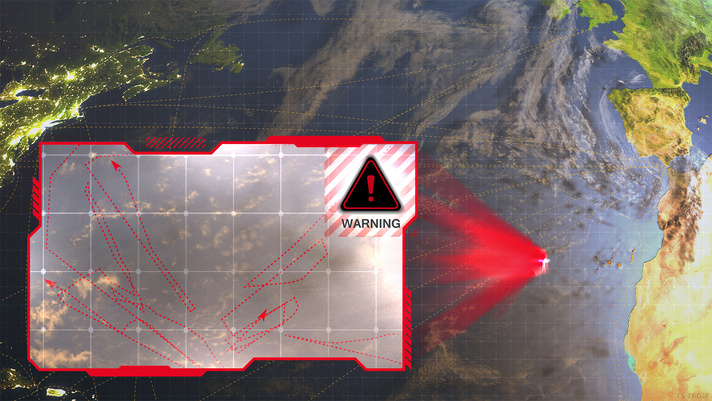
BAE Systems technology applies machine learning analytics to automate low-level detection of activities of interest, such as fishing, from available data streams.

Below is a company press release, but it is an interesting one, with relevance to Coast Guard missions. The Obangame Express Exercise is one the Coast Guard has participated in, in the past. More info on the exercise here and here.


BAE Systems technology applies machine learning analytics to automate low-level detection of activities of interest, such as fishing, from available data streams.

The old “finding a needle in a haystack” analogy doesn’t begin to articulate the challenge associated with illegal fishing detection and identification. While a ship may be larger than a needle, the ocean is certainly larger than your biggest haystack. Add the need to not only find the ship, but determine its recent activities, anticipate future movements, and compare them with all other ships in the area — and do it in near real-time using open source data feeds.

At the Obangame Express event, which is the largest multinational maritime exercise in Western Africa, BAE Systems’ Multi-INT Analytics for Pattern Learning and Exploitation (MAPLE) as a Service, MaaS for short, was integrated with SeaVision, the U.S. Navy’s premier tool for unclassified interagency and coalition maritime data sharing. SeaVision is a maritime situational awareness tool that ingests maritime vessel position data from various government and commercial sources and simultaneously displays them on the same screen in a web browser.

“Military organizations use illegal fishing as a model application due to the unclassified nature of the available data,” said Neil Bomberger, chief scientist at BAE Systems’ FAST LabsTM research and development organization. “Successful detection of illegal fishing activity helps address a serious challenge and highlights another use case for our mature artificial intelligence technology.”

Giving depth to data

While manual analysis of individual vessel tracks is possible, it gets exponentially more challenging and time-consuming for large numbers of vessels. BAE Systems technology applies machine learning analytics to automate low-level detection of activities of interest, such as fishing, from available data streams. This enables analysts to quickly answer time-sensitive questions, prioritize manual data analysis activities, identify higher-level trends, and focus on decision-making instead of manual data analysis.

During the event, BAE Systems’ MaaS technology processed streaming data and automatically detected vessel behavior events that SeaVision displayed as an additional data layer to support user-friendly and timely analysis. The technology provides full visibility into the data to allow the users to check whether the detected behavior warrants further investigation. This helps build trust in the automation and supports additional analysis.

Decades in the making

BAE Systems’ FAST Labs maritime sensemaking capabilities are rooted in artificial intelligence and machine learning algorithms. Backed by nearly two decades of development, their behavior recognition and pattern analysis capabilities continue to show significant utility in real-world environments.

The cloud-based artificial intelligence technology was matured via work on the Geospatial Cloud Analytics (GCA) program. In the months since the successful event, the FAST Labs organization has continued to develop and mature its autonomy portfolio. Elements of its autonomy technology have proven successful in multiple domains including air, land, and sea.

“This successful event delivers on the promise of mature artificial intelligence technology – easy to integrate, incorporating trust, and providing fast and actionable information in a real-world scenario,” continued Bomberger. “The event showcased how our artificial intelligence technology can be deployed in a cloud environment, integrated with a government tool, and used to address relevant maritime activities.”

“Coast Guard, Partners Complete Cooperative Pacific Surveillance Operation” –Seapower

The Coast Guard Cutter William Hart participates in the Pacific Islands Forum Fisheries Agency’s (FFA) Operation Kurukuru off American Samoa, Oct. 29, 2021.
Operation Kurukuru is an annual coordinated maritime surveillance operation with the goal of combating illegal, unreported, and unregulated (IUU) fishing. (U.S. Coast Guard photo courtesy of the Coast Guard Cutter William Hart/Released)

Seapower magazine has a report on the recently completed, 12 day, Pacific Islands Forum Fisheries Agency’s (FFA) Operation Kurukuru in the Pacific, intended to counter Illegal, Unreported, and Unregulated (IUU) fishing.

“The operation included 15 Guardian Class and Pacific Patrol Boats from Pacific nations operating alongside five Australian Navy, French Navy and United States Coast Guard vessels,” said Allan Rahari, the FFA Director Fisheries Operations. “Seven aircraft from the FFA, quadrilateral and regional partners provided air surveillance, as well as satellite surveillance and use of other emerging technologies.”

US Coast Guard participants include two Webber class WPCs, USCGC William Hart, operating out Hawaii, and  USCGC Myrtle Hazard, operating out of Guam, and a CGAS Barbers Point C-130.

The Pacific class patrol boats and their Guardian class replacements were donated by Australia help Pacific Island nations police their Exclusive Economic Zones.

Panorama of three Guardian class patrol boats at Austal shipyards in Henderson, Western Australia. The ships are, from left to right, the Teanoai II (301)‎, the PSS Remeliik II‎ and the VOEA Ngahau Siliva (P302). Photo by Calistemon via Wikipedia.

“The Pacific Islands Forum‘s Forum Fisheries Agency maintains a Regional Fisheries Surveillance Centre in Honiara, Solomon Islands.”

“Coast Guard cutter crews conclude Operation Aiga in Oceania” –News Release

The Coast Guard Cutter Oliver Berry conducts a patrol in and around American Samoa, covering 8,169 nautical miles. The crew sought to combat illegal, unregulated, and unreported fishing and other maritime threats across the Pacific to protect the United States and our partner’s resource security and sovereignty. (U.S. Coast Guard photo courtesy of the CGC Juniper)

This is at least the second time the Coast Guard has done an “Operation Aiga.” It is a clear indication we are taking Illegal, Unregulated, Unreported (IUU) fishing in the remote Pacific more seriously.

Earlier I published the press releases of USCGC Juniper and USCGC Oliver Berry reporting their individual participation in this operation.

It appears this operation has as a second purpose, testing Pago Pago as a cutter operating base.

“Using Pago Pago, American Samoa as a forward operating base between patrol periods, we maintained a strategic presence in the region, reported fishing vessel activity, and cited multiple violations under the Western Central Pacific Fisheries Commission’s conservation management measures while still continuing domestic enforcement action of U.S. flagged fishing vessels.” 

united states coast guard

News Release

U.S. Coast Guard 14th District Hawaii and the Pacific

Coast Guard cutter crews conclude Operation Aiga in Oceania

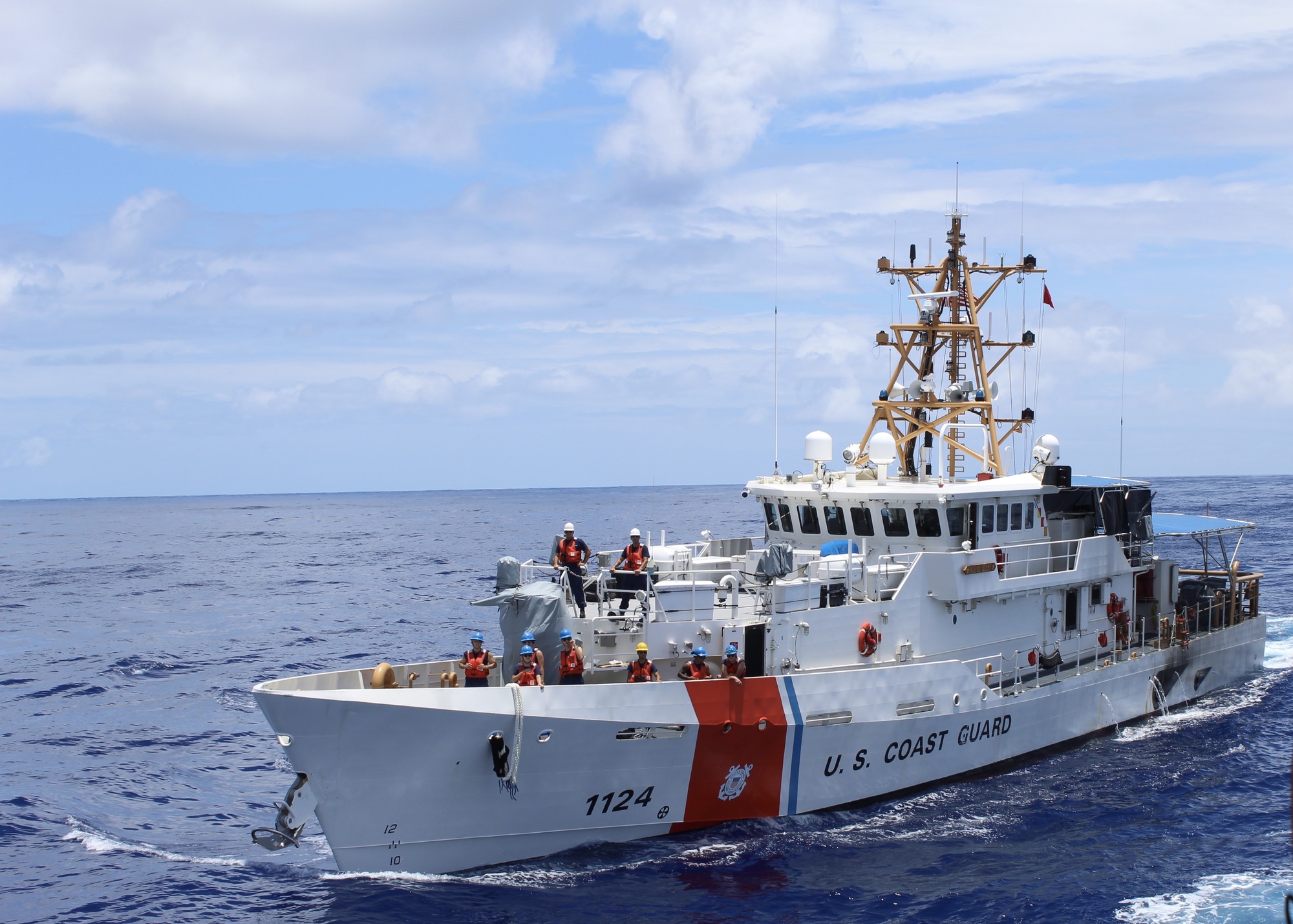
Oliver Berry

Editors’ Note: Click on image to download a high-resolution version.

HONOLULU — Coast Guard crews completed Operation Aiga, a 46-day patrol in support of the Samoan government maritime law enforcement efforts by providing patrol coverage in the Samoan and American Samoan exclusive economic zones.

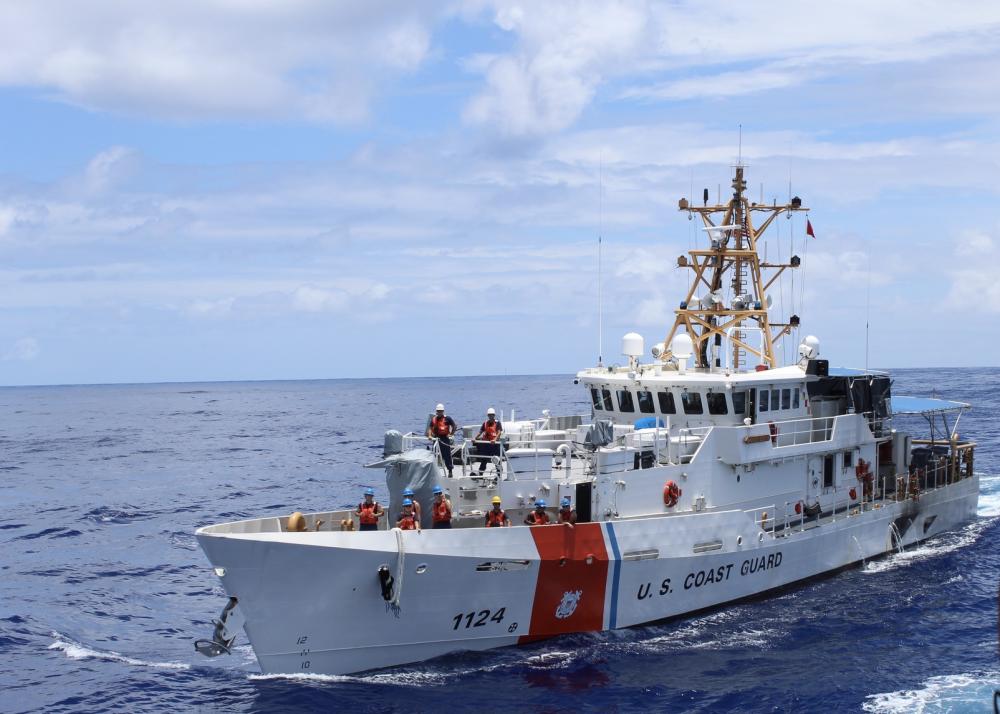
The crews from the Coast Guard Cutter Oliver Berry (WPC 1124) and Juniper (WLB 201) deployed from Hawaii to Samoa to provide operational presence and conduct bilateral shiprider operations with the Government of Samoa, in coordination with New Zealand and Australia to combat illegal, unregulated, and unreported fishing and promote Samoan resource security and maritime governance in Oceania.

In the U.S. alone, the fishing industry employs about 1.3 million people and contributes $199 billion per year to the U.S. economy, according to a NOAA economic report. Combating IUU fishing is part of promoting maritime governance and a rules based international order that is essential to a free and open Indo-Pacific. 

“Fish stocks are a global food source and provide economic stability for many countries in the Pacific,” said Lt. Cmdr. Jason Holstead, the District 14 living marine resource officer. “Depleted fish stocks due to IUU could contribute to the destabilization of the region and leave small nations vulnerable to dangerous transnational organized crime networks.”

The crew of the Coast Guard Cutter Oliver Berry traveled 8,169 nautical miles while patrolling the EEZ of American Samoa and Samoa during their deployment. The Juniper crew serviced vital aids to navigation in Pago Pago Harbor and in neighboring islands during their 10,000 nautical-mile patrol in support of Operation Aiga. 

“While in the South Pacific, we patrolled the Samoan and American Samoan EEZs for a total of 380 hours,” said Lt. Micah Howell, the Oliver Berry’s commanding officer. “Using Pago Pago, American Samoa as a forward operating base between patrol periods, we maintained a strategic presence in the region, reported fishing vessel activity, and cited multiple violations under the Western Central Pacific Fisheries Commission’s conservation management measures while still continuing domestic enforcement action of U.S. flagged fishing vessels.” 

Coast Guard crews also conducted operations in and around American Samoa to enforce U.S. federal laws and regulations and maintain aids to navigation. 

“During the patrol, we serviced 12 aids that directly support safe navigation and the flow of commerce in the territory’s primary waterways,” said Lt. j.g. Ryan Burk, the Juniper’s operations officer. “We collaborated with local stakeholders to complete a waterway analysis and management system (WAMS) survey of the waterways which is the first WAMS completed for American Samoa since 2003 allowing the Coast Guard to assess and improve the safety and efficiency of the territory’s waterways.”

‘Aiga,’ the Samoan word for family, represents the bond between the United States and the rich Samoan culture with the common values that are shared. 

For breaking news follow us on twitter @USCGHawaiiPac

“Coast Guard Cutter Juniper completes patrol in Oceania” –D14

The crew of the Coast Guard Cutter Juniper (WLB 201) return to Honolulu after completing a 45-day patrol in Oceania in support of Operation ‘Aiga, Oct. 1, 2021. The Juniper is a 225-foot Juniper-Class seagoing buoy tender home-ported in Honolulu, the crew is responsible for maintaining aids to navigation, performing maritime law enforcement, port, and coastal security, search and rescue and environmental protection. (U.S. Coast Guard photo courtesy of Coast Guard Cutter Juniper)

Another out of the ordinary patrol and an indication of interest in both illegal, unreported, and unregulated fishing (IUU) and our Oceania partners.

Note also used to refuel Webber class WPC USCGC Oliver Berry, also involved in the operation.

united states coast guard

News Release

U.S. Coast Guard 14th District Hawaii and the Pacific

Coast Guard Cutter Juniper completes patrol in Oceania

Editors’ Note: Click on images to download a high-resolution version.

HONOLULU — The crew of the Coast Guard Cutter Juniper (WLB 201) returned to Honolulu after completing a 45-day patrol in Oceania in support of Operation ‘Aiga on Friday.

During the 10,000 nautical-mile patrol, the cutter’s crew conducted operations to counter illegal, unreported, and unregulated fishing (IUU) and strengthened relations with foreign allies while promoting the collective maritime sovereignty and resource security of partner nations in the Indo-Pacific.

Operation “Aiga,” the Samoan word for family, is designed to integrate Coast Guard capabilities and operations with our Pacific Island Country partners in order to effectively and efficiently protect shared national interests, combat IUU fishing, and strengthen maritime governance on the high seas.

“During our deployment in Oceania, Juniper conducted fisheries enforcement in an effort to counter and deter illegal fishing activities in the Central Pacific,” said Cmdr. Chris Jasnoch, the Juniper’s commanding officer. “We were able to establish a presence on the high seas and in the U.S. Exclusive Economic Zone (EEZ) in American Samoa while also patrolling our partner nation’s EEZs.”

The Juniper’s crew worked under the Western and Central Pacific Fisheries Commission (WCPFC), which strives to protect the region’s fish stocks on the high seas. The WCPFC has 26 member nations and 7 participating territories, 18 of which have enforcing authority. The United States is both a WCPFC member and an enforcing nation.

“We get to take part in a unique, rewarding mission in the Pacific,” said Lt. j.g. Ryan Burk, the operations officer on the Juniper. “We have the privilege of building and strengthening relationships with our Pacific Island partners, while protecting and preserving global resources.”

During the patrol the Juniper embarked a Mandarin linguist from the U.S. Marine Corps to query 11 foreign fishing vessels and board 4 fishing vessels, generating vital information reports for IUU in the region.

The crew also conducted joint operations with a French Navy Falcon-200 aircraft to identify and intercept vessels on the high seas. They also conducted a fueling evolution with the Coast Guard Cutter Oliver Berry’s crew, another participant in Operation ‘Aiga.

“We strengthened our joint capabilities with the French Navy in the fight against IUU fishing activities on the high seas in support of the WCPFC,” said Jasnoch.

To promote American Samoa’s maritime transportation system, the Juniper crew serviced vital aids to navigation in Pago Pago Harbor and in neighboring islands, demonstrating the cutter’s multi-mission capabilities.

In addition to normal buoy maintenance, Juniper accomplished the first Waterways Analysis and Management System Report for Pago Pago since 2003. This report integrates the opinions of Pago Pago Harbor’s regular users to review the relevance of existing aids and reevaluate where new aids would be useful, ensuring the sustainability and safety of the waterway.

Juniper’s crew also put together a donation box for the children in Pago Pago, including: sporting equipment, books and toys for the Boys and Girls Club of American Samoa.

“Despite COVID restrictions preventing an in-person event, it felt good to know that we made a difference,” said Ensign Elaine Weaver, the Juniper’s community relations officer.

The Juniper is a 225-foot seagoing buoy tender home-ported in Honolulu and is responsible for maintaining aids to navigation, performing maritime law enforcement, port and coastal security, search and rescue and environmental protection.

For breaking news follow us on twitter @USCGHawaiiPac

“Coast Guard Booth Presentations at Sea Air Space 2021” –CG-9

22 meter saildrone Ocean Mapping UAS

The Acquisitions Directorate (CG-9) has provided media used in the Coast Guard’s presentation booths at Sea Air Space 2021, August 2 and 3. While certainly not a substitute for being there, they do provide insights into programs and concerns.

Coast Guard Booth Presentations at Sea Air Space 2021

  • Blue Technology Center of Expertise (BTCOE)
    Overview Blue Technology Center of Expertise presentation
    Ms. Jennifer Ibaven and Dr. Peter Vandeventer, BTCOE Program Managers, Office of Research, Development, Test & Evaluation and Innovation (CG-926)
    Tuesday, Aug. 3, 2021, 3-3:30p.m.
  • Coast Guard Detachment at DOD’s Defense Innovation Unit
    DIU & USCG Overview presentation
    Cmdr. Michael Nordhausen, Liaison Officer to Defense Innovation Unit
    Tuesday, Aug. 3, 2021, 4-4:30p.m.
  • Unmanned Systems
    U.S. Coast Guard Unmanned Systems presentation
    Capt. Thom Remmers, Assistant Commandant for Capabilities Unmanned Systems Cross-Functional Team Lead
    Monday, Aug. 2, 2021, 2:30-3p.m.
  • The Future of the Arctic
    U.S. Coast Guard Arctic Policy presentation
    Mr. Shannon Jenkins, Senior Arctic Policy Advisor
    Tuesday, Aug. 3, 2021, 11-11:30a.m.
  • Illegal, Unreported and Unregulated Fishing
    U.S Coast Guard IUU Fishing Strategic Outlook presentation
    Cmdr. James Binniker, Office of Law Enforcement Policy, Living Marine Resources and Marine Protected Resources Enforcement Division
    Tuesday, Aug. 3, 2021, 2:30-3p.m.