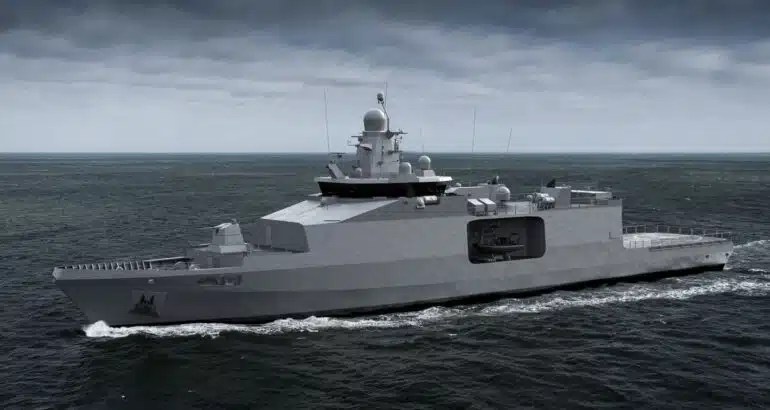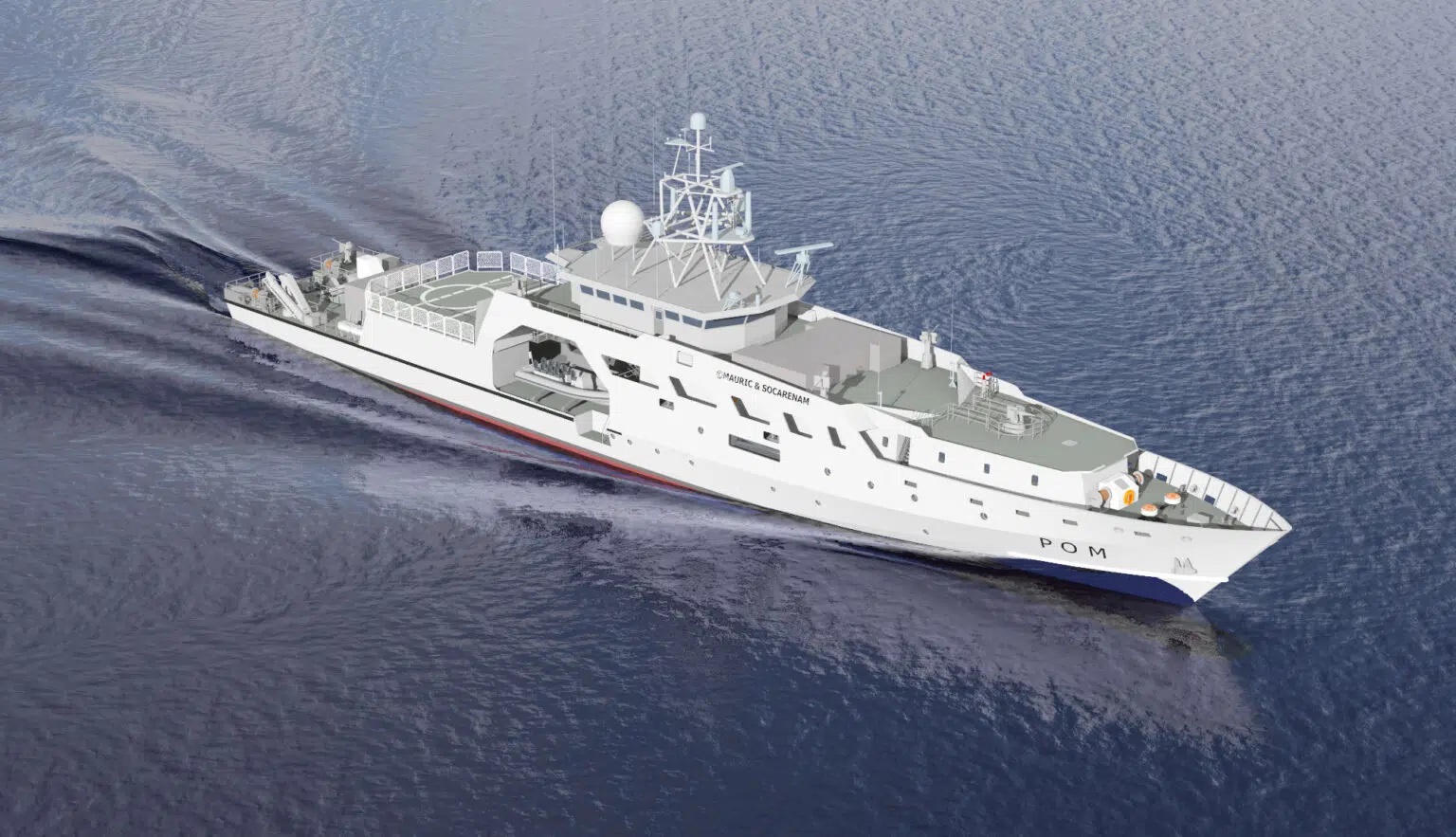
The Félix Éboué class, a Modern, Minimalist, Medium Endurance Cutter

An artist’s rendering, Félix Éboué class or Patrouilleurs Outre-mer (POM)

The Offshore Patrol Cutter (OPC) is described as, “…a capability bridge between the national security cutter, which patrols the open ocean in the most demanding maritime environments, and the fast response cutter, which serves closer to shore.”

That may have been the intention, but that is not what we got.

While the National Security Cutter is better than the WHECs they replaced in almost every way, the OPCs are not only better than the WMECs they will replace, but they are also, in every way except maximum speed, better than the WHECs as well. Instead of a high/low mix of cutters, they all turned out high end. We should not be surprised the OPCs construction and operating costs approach those of the NSCs.

Construction costs are typically proportional to displacement. The OPCs’ displacement is 98% that of the NSC and 1232.8% (more than 12 times) that of the Fast Response Cutters.

This would not be a bad thing, if we had enough NSCs and OPCs to meet our large patrol cutter needs, but I don’t think we will ever get there.

We are expected to ultimately end up with only 36 large patrol cutters, fewer than we have had in decades and fewer than other Coast Guards with far smaller EEZs.

A new fleet mix study has been completed, but the results have not been made public (Why not? This is not transparency). I suspect it shows a need for substantially more than 36 large patrol cutters.

If we look at the previous “Fleet Mix Study,” now over a dozen years old, which minimized requirements because it did not consider “High Latitude regions of the ice shelf and Deployable Operations Group (DOG),” and assumed that NSCs would use the “Crew Rotation Concept” that was expected to allow them to operate 230 days per year, to meet all statutory requirements, the study indicated the Coast Guard needed 66 large cutters, 30 more than currently planned, and 91 FRCs.

If we want significantly more large patrol cutters than currently planned, perhaps we need a smaller, cheaper alternative to the OPCs that requires a smaller crew and are more economical to operate. In previous posts, I have referred to this alternative as (Cutter X).

Thinking Ahead: 

Getting funding for more than two OPCs per year is probably unrealistic. The last OPC is not expected to be commissioned until 2038, 14 years from now. If we continue to build only two large patrol cutter a year, will not be able to grow the fleet until after 2038 and then it will grow slowly because the National Security Cutters will start aging out.

We might not be able to continue to build OPC sized patrol cutter after 2038. The Coast Guard will want to build Arctic Security Cutters (or perhaps Arctic Patrol Cutters). Both the Juniper class WLBs and Keeper class WLMs will need to be replaced.

(Where is our long-range shipbuilding plan?)

If we started in the next year of two, we could be producing true medium endurance cutters in significant numbers before the planned completion of the OPC program. On a 3 for 1 or even 2 for 1 exchange for the last few OPCs, if we tried, we could start to grow the fleet perhaps as early as 2032.

That is why the Félix Éboué class is worth a look. It is, what I believe may be, the absolute minimum fully capable Offshore Patrol Vessel. It covers all the bases. It is good enough for most operating areas. That is not to say, there are no good reasons for some add–ons, but I think it is a kind of benchmark. It is also a good representation of Cutter X. There are reasons we might want to go bigger, but before you increase the quality of the individual cutters, first we need to have enough.


The French Experience

France, like the US has a huge Exclusive Economic Zone (EEZ), the largest in the world, 11,691,000 km2 (4,514,000 sq mi). The US EEZ is 11,351,000 km2.

Unlike the US, the French don’t have a coast guard that operates ocean going ships to enforce laws and protect sovereignty. The French Navy does this, and uses a fleet of Offshore Patrol Vessels, some of which are referred to as frigates.

The Félix Éboué class is their newest class of OPVs. They are intended specifically to patrol the waters of French overseas territories in the Pacific and Indian Oceans. They will be based, two each, at NouméaTahiti and La Réunion. They replace the P400 class, which are slightly larger than the Webber class WPC, which were found to be inadequate.

I have found some very good photos of the second ship of the class being fitted out, that show details I had not seen before, and would like to share them. I will also bring forward some of my earlier commentary with updates, so as to consolidate information on this interesting class.

Comparison with Webber class WPC (FRC):

Below is a comparison between the FRC and the Félix Éboué class (POM) that was included in an earlier post, updated with information about the propulsion system on the French ships.

French overseas patrol vessel (POMs) Auguste Bénébig. Photo: http://www.meretmarine.com

Like an FRC:

I always thought these looked like oversized Webber class, the proportions are similar, and the much larger POM is not much more complicated than the Webber class. The crew of the POM is 30, only six more than that of the FRC. Both have a bridge with a 360-degree view positioned well aft, minimizing vertical acceleration. Both have an 8 meter boat in a stern ramp. The armament is similar with four .50 cal. machine guns and a single medium caliber gun in the bow, a 20mm on the POM and a 25mm on the FRC. The POM uses slightly less powerful diesel engines, 2x ABC 16V DZC medium speed diesels 3.7MW each @ 1,000rpm, for a total of about 9924 HP compared to 11,600 for the FRC. (I am told the POM’s engines are also more economical and simpler to maintain.) But the French ships still manage to make 24 knots, a couple of knots more than claimed for the OPC. With similar crew and systems, they should not cost much more than the FRCs to operate.

Unlike an FRC:
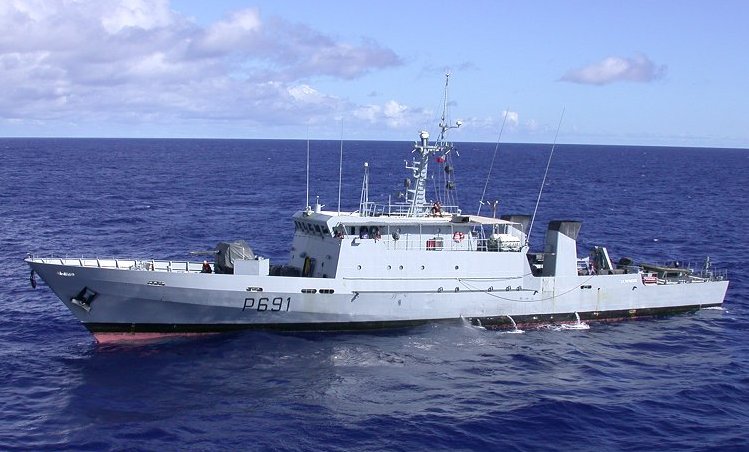
P400 patrol ship Tapageuse at sea near Tahiti (18 June 2003). Photographer: Jean-Michel Roche

While they would have been thinking of their existing 373 ton P400 class pictured above, it might appear to us that they wanted a ship to do the same sorts of missions the Webber class Fast Response cutters (FRC) are doing out of Guam, but they recognized that these ships would be far from any major naval base and that they would need to travel great distances and would be exposed to extreme weather conditions, so they needed to be larger (1300 tons vs 353 tons for the FRC) and have greater range (5500 miles vs 2500) and endurance (30 days vs 5 days).

Having chosen a larger hull, they took advantage of the greater volume and deck space to add a second RHIB, a multimode radar, space for 29 passengers (roughly a platoon of Marines), a sickbay, a dive locker, space for a 20 foot containerized mission module, a flight deck and hangar for a 700-kilogram-class rotor-blade drone (not yet deployed), and a holding area for up to six prisoners.

Some sources also indicate the French ships also have electric motors that would allow them to cruise on the ship’s service generators and secure the main propulsion engines, but I have seen no specifics.

The Photographs: 

The second of the French Navy’s six new overseas patrol vessels (POM), the Teriieroo a Teriierooiterai, which will be based in French Polynesia and has been named in tribute to a Companion of the Liberation native of this Pacific territory, Photo: http://www.meretmarine.com

The Teriieroo at Teriierooiterai fitting out at the end of July, 2023 in Boulogne. Photo: http://www.meretmarine.com

Stern ramp for 8 meter RHIB. French Navy overseas patrol vessel (POM), Teriieroo a Teriierooiterai, fitting out 2023. Photo: http://www.meretmarine.com

Second 8 meter RHIB and davit (only) on starboard side. French Navy overseas patrol vessel (POM), Teriieroo a Teriierooiterai, fitting out 2023. Photo: http://www.meretmarine.com

Aliaca aerial drone on its launch catapult. French Navy overseas patrol vessel (POM), Teriieroo a Teriierooiterai, fitting out 2023. Photo: http://www.meretmarine.com

Recovery System for Unmanned Air System, French Navy overseas patrol vessel (POM), Teriieroo a Teriierooiterai, fitting out 2023. Photo: http://www.meretmarine.com

Japan to Build Five Large Cutters for Philippine Coast Guard

Japanese built Philippine Coast Guard cutter BRP Melchora Aquino

The EurAsian Times reports that Japan and the Philippines have finalized their largest security agreement to date.

“The US $507 million project is funded by an Official Development Aid loan from the Japan International Cooperation Agency. Around $425 million will be utilized in constructing five 97-meter-long multi-mission response vessels (MRRV) and a five-year integrated logistics support package…The patrol vessels are expected to be delivered between 2027 and 2028.”

The Philippine CG already has two ships of this type. We talked about this class earlier. Final specs, if there are no changes, from NavyRecognition,

“The MRRV has a length of 96.6 meters (317 feet–Chuck), a maximum speed of not less than 24 knots, and has a complement of 67 crew members. She has a two 6600 kW (6.6MW) diesel engines.”

That is about 17,700 HP. By comparison, the OPCs, which are longer and twice as heavy. will have 19,520 HP.

It appears the Philippine Coast Guard still has not armed their cutters with anything larger than .50 caliber machine guns. This class does have water cannon. Their Japanese counterparts are armed with either 20mm Gatling guns or Bushmaster II 30mm chain guns in Remote Weapon Stations.

Meanwhile the Philippine Navy is also buying Offshore Patrol Vessels, six from S. Korea. They will be much more heavily armed.

“Coast Guard Cutter Procurement: Background and Issues for Congress, Updated March 25, 2024” –CRS

USCGC David Duren is the first of three FRCs to be homeported in Astoria, OR

The Congressional Research Service (CRS) has again updated their “Report to Congress on Coast Guard Cutter Procurement”. (This link will always take you to the most recent edition of the report.) My last post on this evolving document was in reference to the October 19,2023 update. I have reproduced the one-page summary in full below. It gives a good picture of where we are. (The CRS report on icebreakers has also been updated.)

There have been other updates in the interim, but I have been looking forward to this one because it reports the 2024 budget as enacted into law, and (surprise, surprise) it includes two Fast Response Cutters that were not in the 2024 budget request. From page 35,

“Enacted The explanatory statement for Division C of H.R. 2882/P.L. 118-47 of March 23, 2024, provides the funding levels shown in the “Enacted” column of Table 1. The explanatory statement states that the increase of $200.0 million for the FRC program is for “no less than two Fast Response Cutters and the economic price adjustment for Fast Response Cutters funded in prior years”.”

There was a request for four additional FRCs in the Unfunded Priorities List. The House Appropriations Committee had wanted to fund four ($355M) while the Senate Appropriations Committee approved none. Apparently, they compromised. (Nice to see bipartisan support.)

Two Additional FRCs ($216M) are also in the 2025 budget request. (The appropriation amounts include addition funds for FRC program support over and above shipyard construction costs.)

If you do the math, you will see that there has been a departure from the original “Program of Record” (8 NSCs, 25 OPCs, and 58 FRCs for 91 total). The current program will provide 11 NSCs, 25 OPCs, and 67 FRCs (one of which severely damaged in a fire) for a total of 102 operations ships, 104 if we get the two additional FRCs in the FY2025 budget.

While this may look like a large gain, the number of large patrol cutters (36 over 1000 tons) is well below historical norms (=>41), while demands on the cutter fleet have grown substantially, no OPCs have been actually delivered, and the entire WMEC fleet is already well overage.


Summary
The Coast Guard’s program of record (POR), which dates to 2004, calls for procuring 8 National Security Cutters (NSCs), 25 Offshore Patrol Cutters (OPCs), and up to 71 Fast Response Cutters (FRCs) as replacements for 90 aging Coast Guard high-endurance cutters, medium-endurance cutters, and patrol craft.

National Security Cutters are the Coast Guard’s largest and most capable general-purpose cutters; they are replacing the Coast Guard’s 12 Hamilton-class high-endurance cutters. NSCs have an estimated average procurement cost of about $670 million per ship. Congress has fully funded the procurement of 11 NSCs—three more than the 8 in the Coast Guard’s POR. The Coast Guard’s proposed FY2024 budget requested $17.1 million in procurement funding for the NSC program. The Coast Guard’s proposed FY2025 budget requests $7.0 in procurement funding for the NSC program, and the Coast Guard’s FY2025 Unfunded Priorities List (UPL) includes an item for an additional $50.0 million in procurement funding for activities relating to the 11th NSC. Nine NSCs have entered service; the Coast Guard accepted delivery of the 10th on October 13, 2023, and plans to commission it into service in 2024. The 11th is under construction.

Offshore Patrol Cutters are intended to replace the Coast Guard’s 29 aged medium-endurance cutters. Coast Guard officials describe the OPC program and the Polar Security Cutter (PSC) program (which is covered in another CRS report) as the service’s highest acquisition priorities. The first four OPCs are being built by Eastern Shipbuilding Group (ESG) of Panama City, FL. The Coast Guard held a full and open competition for a new contract to build the next 11 OPCs (numbers 5 through 15). On June 30, 2022, the Coast Guard announced that it had awarded a fixed-price incentive (firm target) contract to Austal USA of Mobile, AL, to produce up to 11 offshore patrol cutters (OPCs). The Coast Guard’s proposed FY2024 budget requested $579.0 million in procurement funding for the construction of the sixth OPC and other OPC program costs. The Coast Guard’s proposed FY2025 budget requests $530.0 million in procurement funding for the construction of (once again) the sixth OPC and other OPC program costs, and states that the requested FY2024 procurement funding would now be for the construction of the fifth OPC rather than the sixth.

A June 2023 Government Accountability Office (GAO) report on the OPC program states “The OPC’s total acquisition cost estimate increased from $12.5 billion to $17.6 billion between 2012 and 2022…. In addition, the program incurred a 1.5-year delay in the delivery of the first four OPCs…. GAO also found indicators that the shipbuilder’s significant level of complex, uncompleted work may lead to further delays.”

Fast Response Cutters are considerably smaller and less expensive than OPCs; they are replacing the Coast Guard’s 49 aging Island-class patrol boats. The Coast Guard’s FY2020 budget submission estimated the total acquisition cost of the 58 cutters intended for domestic use at $3.748 billion, or an average of about $65 million each. A total of 65 FRCs have been procured through FY2023. As of March 25, 2024, 54 FRCs have been commissioned into service. The Coast Guard’s proposed FY2024 budget requested $20.0 million in procurement funding for the FRC program, and the Coast Guard’s FY2024 UPL included an item for $400.0 million in procurement funding for procuring four more FRCs at an average cost of $100 million each, to provide increased Coast Guard presence and engagement with allied and partner countries in the Indo-Pacific region. The Coast Guard’s proposed FY2025 budget requests $216.0 million in procurement funding for the FRC program for the procurement of two more FRCs for operations in the Indo-Pacific region, plus additional FRC program costs.

“FS Dumont d’Urville Makes First Visit to Florida” –SeaWaves

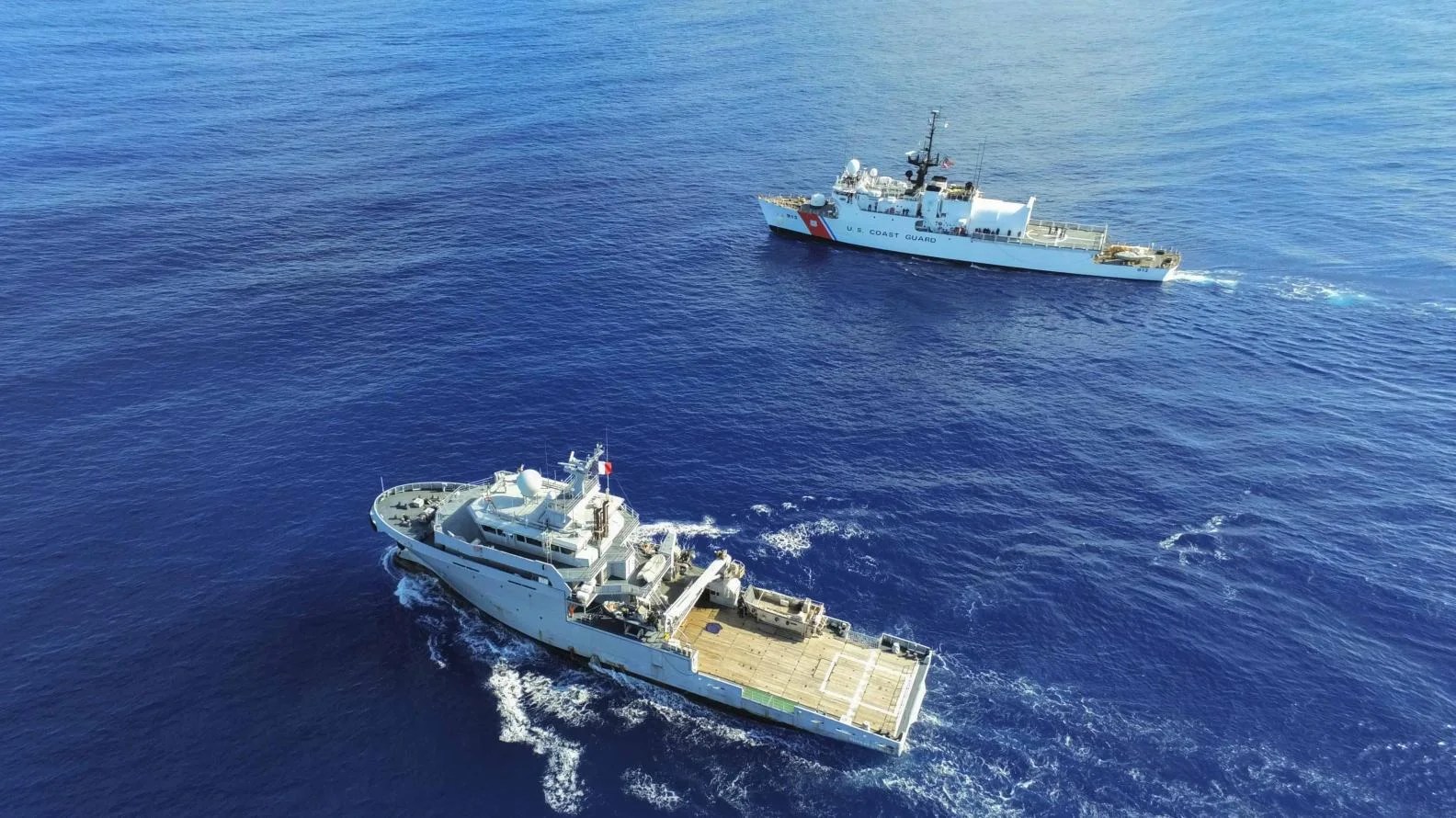
FS Dumont d’Urville and USCGC Mohawk conduct joint exercises, Dec. 6,2023

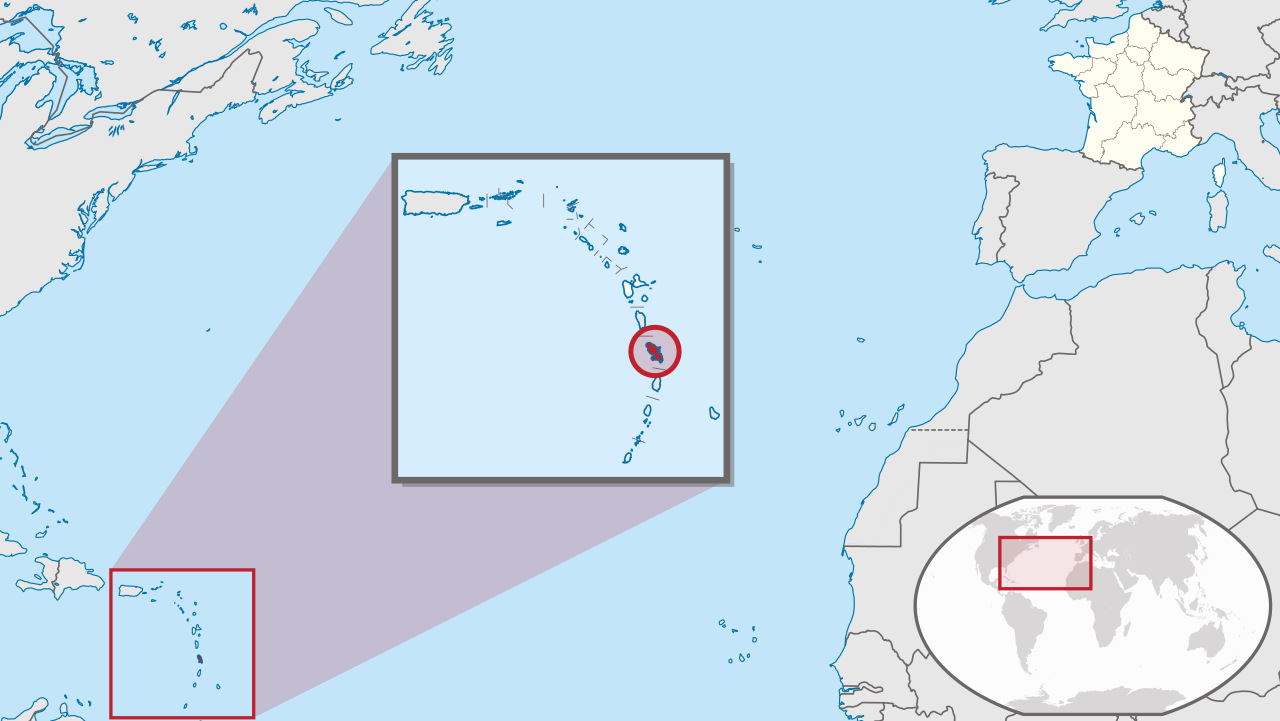
SeaWaves reports on a visit by the French “Overseas Support and Assistance Building” (BSAOM) ship Dumont d’Urville to Coast Guard Base Miami following its first operational mission. The ship is based in Fort-de-France, Martinique.

Location of Martinique, a department of France. Author: Tubs, via Wikipedia.

We talked about this class of four ships before. There is a lot of information, including additional links, in the comments.

d’Entrecasteux-class / BSAOM vessels main characteristics:

Length overall: 64.95 m (213′)
Breadth: 14 m (46′)
Draft: 4.20 m
Displacement (full load): 2,300 tons
Displacement (light): 1,500 tons
Speed (max): 13 knots (also reported as high as 15 knots)
Hull / superstructure: Steel
Amenities: 23 (crew) + 60 passengers
Cargo capacity: 200 tons (solid cargo) / 150 m3 of water / 180 m3 of fuel
Endurance: 30 days at sea

Coast Guard Submarine?

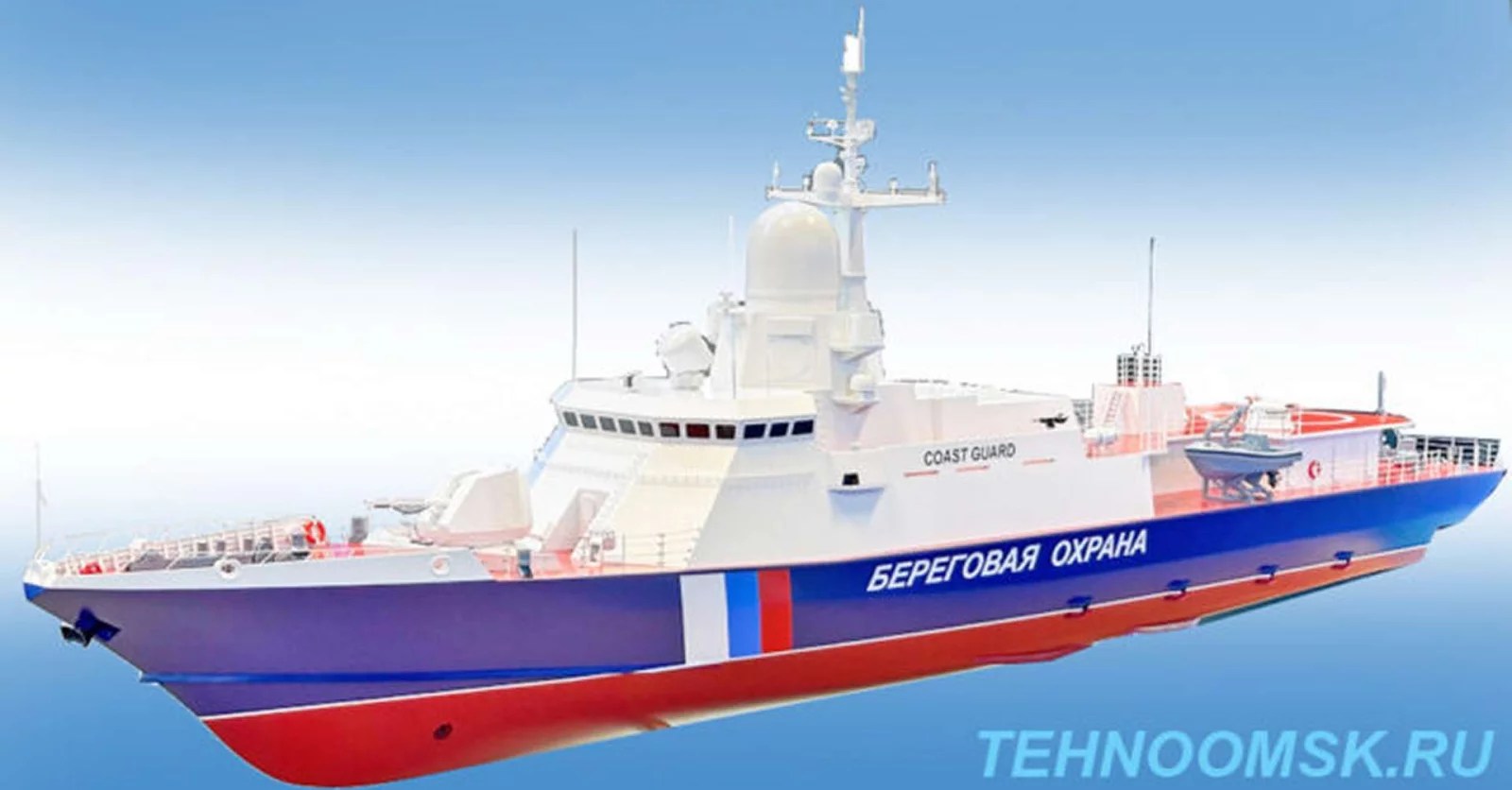
Covert Shores reports the Rubin Design Bureau, which has designed most of Russia and the Soviet Union’s submarines, has proposed a submarine for the Russian Coast Guard.

“The BOSS (Border and Offshore Submersible Sentry) submarine is a concept which has been around for a few years. It is unlikely that Russia will ever build it, but it is all the same an interesting possibility.”

Apparently, the Russian Coast Guard did not ask for a submarine, but the design bureau thinks, even if they don’t want it, it might be exportable.

It’s small, about the size of a World War II vintage German Type VII U-boat, “…60 – 70 meters (197 – 230 feet) long depending on customer configuration, and displaces around 1,000 tons.” Being submersible it could submerge to wait out rough weather.

I do kind of like the way it’s equipped, boat for boarding, VTOL UAS for search, gun for firing warning shots, 10 km range small surface to surface missiles for engaging small fast highly maneuverable targets, and torpedoes capable of forcibly stopping any size vessel.

“India orders six next-gen offshore patrol vessels from Mazagon Dockyard” –Naval Today

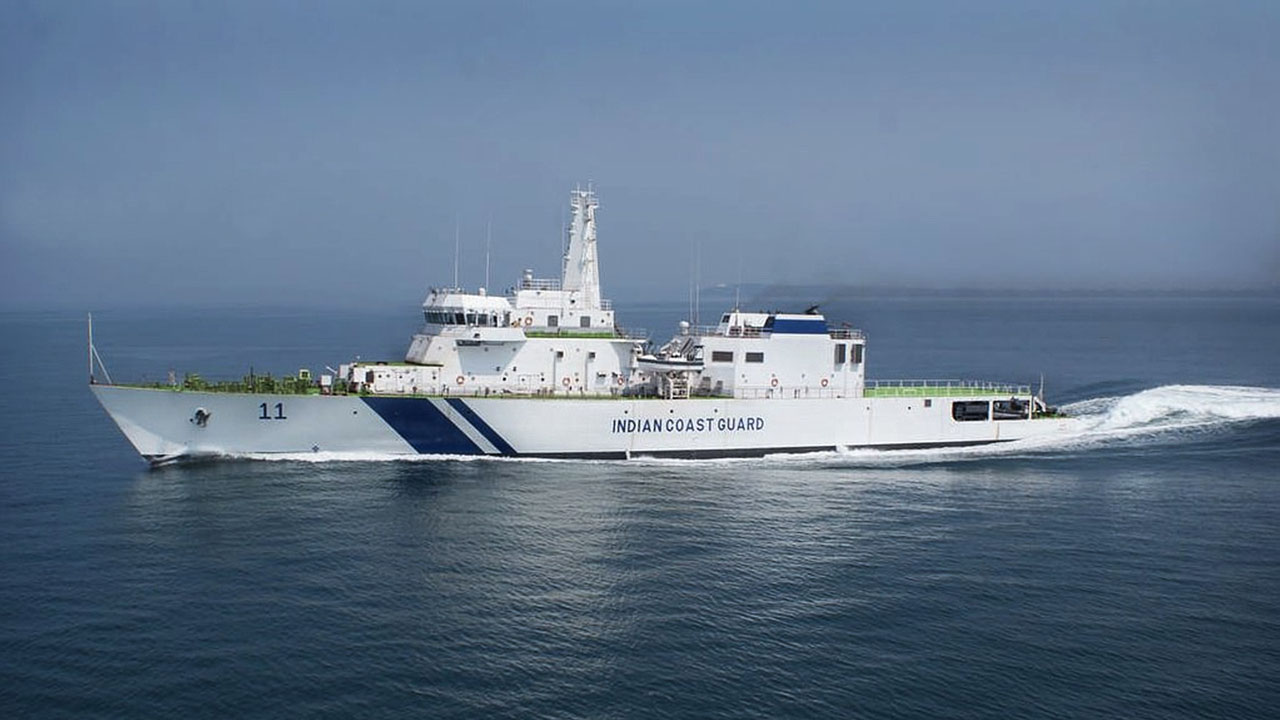
105 meter, Off Shore Patrol Vessel (OPV) ICGS Samarth, 10 November 2015, lead ship of a class of 11, photo Indian Coast Guard

Naval Today reports, “The Indian Ministry of Defence has signed a contract with Mazagon Dockyard Shipbuilders (MDL) for the construction of six next-generation offshore patrol vessels (OPVs).”

The six new ships are to be 115 meters (377′) in length, about the size of the Hamilton class cutters. I have not been able to find any additional information on their characteristics, but historically, Indian CG OPVs evolve from preceding designs, so I expect they will share many characteristics with the preceding 105 meter class pictured above and the 97 meter Vikram class; e.g. speed 23 to 26 knots; powered by two diesel engines; armed with a 30mm gun; hangar and flight deck for at least a five ton helicopter.

As for what they change, “Along with several high-tech advanced features and equipment, these 115m OPVS would be equipped with multipurpose drones, AI capability, and wirelessly controlled remote water rescue craft lifebuoy.”

The six ships are to be designed and delivered in 66 months. From contract to completion of six ships in five and a half years may sound like a tight schedule considering the US Coast Guard’s recent experience. Looking back on the previous class of eleven ships, procured in two batches, it looks possible. A $400M contract to build six vessels was awarded to GSL on 9 May 2012. All six were commissioned by 21 December 2017, less than 68 months after contract award. A follow-on contract for five ships was awarded in August 2016. The fifth ship was commissioned 16 March 2022, about 67 months from award to completion of five ships.

India benefits from the near continuous construction of Offshore Patrol Vessels (OPVs). Over the last ten years, 22 Indian built OPVs were commissioned, 18 for the Indian Coast Guard, two for the Indian Navy, and two for export.

In addition to these six OPVs, the Indian Navy is also building eleven similarly named but different 105 to 110 meter “Next Generation Offshore Patrol Vessels.

“Analysis: Royal Navy deploys seven ships on underwater infrastructure patrols” –Navy Lookout

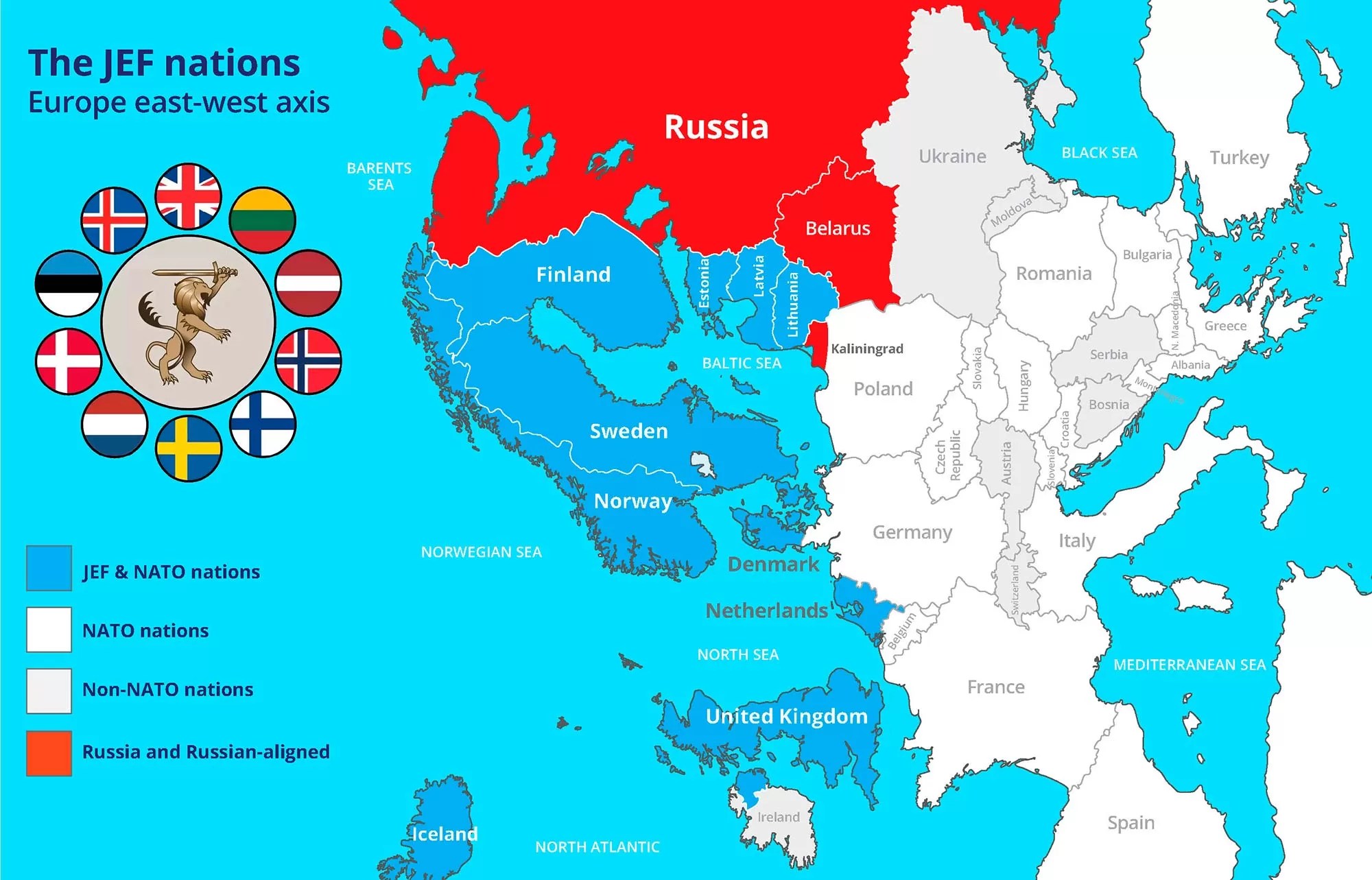
Joint Expeditionary Force nations.

Ever since the Nord Stream pipelines were damaged, in September 2022, there has been a lot of talk about the need to protect Critical Undersea Infrastructure (UCI) including concern about the possibility of damaging or surreptitiously tapping into undersea cables.

Some US agency is likely to get this job. Frankly I don’t see this as a job for the Coast Guard since we have very little underwater surveillance capability, but I may be wrong. The Coast Guard would probably at least be asked to report suspicious activity that might be recognized by Maritime Domain Awareness systems and if there is damage to a pipeline, the Coast Guard would certainly be called in to deal with the pollution.

Still, it may be interesting to see what the Europeans are doing. Navy Lookout reports,

“On 28th November Defence Ministers from the Joint Expeditionary (JEF) nations agreed to activate a ‘Response Option’. This will take the form of a Royal Navy-led effort to bolster the security of undersea infrastructure and deter hybrid threats. Since the destruction of the NordStream pipeline in September 2022 and the attack on the Baltic Connector pipeline in October 2023, there has been increasing concern about underwater Russian activity. The Defence Secretary described this as “This historic and unprecedented agreement”. It has certainly been a long time since the UK conducted multi-lateral military activity in the European area that was not done under the auspices of NATO.”

Interestingly, the effort will include two Royal Navy River class Batch One Offshore Patrol Vessels, HMS Severn and HMS Tyne, that are the British equivalent of US Coast Guard Medium Endurance Cutters, except that they do not include flight decks. There was no mention of whether they might be equipped with Unmanned Undersea Vehicles.

Thanks to Lee for bringing this to my attention. 

“France’s DGA Orders 7 New OPV For The French Navy” –Naval News

Artist impression of the Patrouilleur Hauturier OPV underway. Naval Group image.

Naval News reports,

The French defense procurement agency (DGA) ordered on 17 November 2023 seven new offshore patrol vessels (OPV) as part of the “Patrouilleurs Hauturiers” program for the French Navy (Marine Nationale).

These “second rank” ships will have missions similar to USCG cutters. We heard about the requirement for these ships and the vessels they would replace three years ago. At that time ten ships were expected. Since then, the requirement was reduced to six and now seven. France has been building several different classes of large patrol vessels (here, here, and here).

This new class of Patrouilleurs Hauturiers (offshore patrol vessels) are expected to displace 2400 tons full load, have a range of 6,000 miles, and have accommodations for up to 84 personnel (passengers and crew). They are expected to mount the new 40mm gun.

“Singapore orders four offshore patrol vessels from Fassmer” –Naval Today

Photo credit: German Federal Police

Naval Today reports,

Singapore’s Ministry of Defence (MINDEF) has signed a contract with German company Fassmer to acquire four new offshore patrol vessels (OPVs)…The ships are based on an OPV design operated by the German Bundespolizei (Federal Police). Furthermore, they are designed with high maneuverability to operate in Singapore’s congested waters.

In a comment, a reader, Katoult, who I see provided the photo above, pointed me to an even better article on the topic at Naval News, thanks.

I have a lot of respect for Singapore’s decision makers. They are very tech savvy and, like the US, cannot depend on cheap labor in large numbers. I am a bit surprised they did not use a version of their Littoral Missions Vessel design for this mission. This is the fourth nation to choose a Fassmer OPV design. It does appear to be a bit more seaworthy and incorporates a hangar that the Littoral Missions Vessel does not include. I think we will see unmanned systems operating from these ships.

“China’s Massive New Maritime Patrol Ship Looks Like A Cruise Ship Inside” –The Drive

China Maritime Safety Administration’s Haixun-09

This came out in 2021. I missed it at the time, but it is still interesting. Have not heard any reports of the utilization of this massive ship since it was completed.

There is plenty of speculation within the post as to how the ship will be used. Note this is not China Coast Guard. The China Maritime Safety Administration was the only one of China’s five agencies with Coast Guard like missions that was not consolidated into the China Coast Guard.