This is the second part of a reexamination of where critical ports are in the US and where the cutters that might be needed to protect them are homeported.
Consolidated Target and Homeport List:
I have reproduced this listing from part 1. It has been changed slightly to reflect the move of USCGC Seneca from Boston to Portsmouth, VA. Again, we have 31 target ports or port complexes in bold and 23 current or planned cutter homeports with the cutters in bold. In many cases a critical port is also a homeport for cutter(s).
CCGD1:
- Bath, Me–Major Naval shipbuilder
- Kittery, ME/Portsmouth, NH –Naval Shipyard: 2×270 (908, 909)
- Boston, MA: 2×270 (905, 907)
- Newport, RI Plan to add 2xOPC (919, 920)
- Groton, CT–Submarine base
- Hudson River complex, New York, NY/Elizabeth and Bayonne, NJ–a major cultural target, #3 US Port by tonnage, #3 Container port, #4 Cruise ship port (NYC) and #13 cruise ship port (Cape Liberty, NJ)
CCGD5:
- Delaware Bay/River Complex–Strategic Seaport (Philadelphia), Wilmington DE/Cape May, NJ: 3xFRC (1119, 1120, 1135)
- Chesapeake Bay Complex, VA–Base for aircraft carriers and submarines, Major naval shipbuilder, Strategic Port, #9 port by tonnage, #5 container port; plus water route to Washington, DC (major cultural target) and Baltimore, MD–#14 port by tonnage, #13 container port, #12 cruise ship port/ 7×270 (Portsmouth 901, 902, 903, 904, 906, 911, 912), 2×210 (Little Creek 626, 627)
- Morehead City, NC–Strategic Seaport/Atlantic Beach, NC: 2xFRC (1127, 1128)
- Cape Fear River–Strategic Seaport, Wilmington, NC
CCGD7:
- Charleston, SC–#7 container port, #15 cruise ship port, Strategic Seaport/ 2xNSC (753, 754) Plan to add 3xNSC (758, 759, 760)
- Savannah, GA–#4 container port, Strategic Seaport
- Jacksonville complex, FL (including Kings Bay, GA)–SSBNs, Navy Base Mayport, #14 cruise ship port, Strategic Seaport/ Mayport, FL: 1×210 (617)
- Port Canaveral, FL–#3 Cruise Ship port/ Cape Canaveral, FL: 2×210 (619, 621)
- Port Everglades/Fort Lauderdale, FL–#11 container port, #2 Cruise Ship port
- Miami, FL–#12 container port, #1 Cruise Ship port/ 6xFRC (1101 to 1106)
- Key West, FL: 2×270 (910, 913), 6xFRC (1107 to 1112)
- San Juan, PR–#5 Cruise Ship port, #15 container port/ 7xFRC (1113 to 1118, 1133)
- Tampa, FL–#7 Cruise Ship port/
- St. Petersburg, FL: 2×210 (620, 625)
CCGD8
- Pensacola, FL–4×210 (615, 616, 624, 629)
- Mobile, AL–major naval shipbuilder, #11 port by tonnage
- Pascagoula, MS–major naval shipbuilder/ 2xFRC (1123, 1125)
- Gulfport, MS–Strategic Seaport
- Mississippi River Complex, LA–New Orleans #6 port by tonnage, #14 container port, +#10 Cruise Ship port; South Louisiana #1 port by tonnage; Baton Rouge #8 port by tonnage; Port of Plaquemines #13 port by tonnage.
- Lake Charles, LA–#12 port by tonnage
- Sabine Pass complex (Beaumont/Port Author/Orange, TX)–#4 port by tonnage (Beaumont), Strategic Seaport (both Beaumont and Port Author), It also has an LNG exporting terminal
- Houston/Galveston/Texas City, TX–#2 port by tonnage (Houston), #13 port by tonnage (Texas City), #5 container port (Houston), #6 Cruise ship port (Galveston)/Galveston, TX: 3xFRC (1136, 1137, 1138)
- Corpus Christi, TX–#7 port by tonnage, Strategic Seaport
CCGD11:
- San Diego, CA–Base for aircraft carriers and submarines, major naval shipbuilder (NASSCO), Strategic Seaport
- Los Angeles/Long Beach/Port Hueneme, CA–A major cultural target, #5 port by tonnage (Long Beach), #9 port by tonnage (Los Angeles), #1 container port (Los Angeles), #3 container port (Long Beach), #9 cruise Ship port (Long Beach), #11 cruise ship port (Los Angeles), Strategic Seaport (Long Beach and Port Hueneme)/San Pedro: 4xFRC (1129 to 1132) Plan to add 2xOPC (915, 916)
- San Francisco Bay complex,, CA–A major cultural target, #6 container port (Oakland), Strategic Seaport (Oakland and Concord)/Alameda, CA: 4xNSC (750, 751, 752, 755)
CCGD13:
- Warrenton, OR: 2×210 Plan to add two FRCs (Longview, WA is a significant port, but it is 66 miles up the Columbia River, so unlikely to be a target)
- Puget Sound Complex, Seattle/Tacoma, WA–Base for aircraft carriers (Bremerton), SSBNs (Bangor), and submarines, major naval bases, #8 container port (Seattle), #10 container port (Tacoma), #8 Cruise ship port (Seattle), Strategic Seaport (Indian Island and Tacoma, WA)/Port Angeles, WA: 1×210
CCGD14:
- Honolulu/Pearl Harbor, HI–Major Naval base, including submarines/2xNSC (756, 757), 3xFRC (1124, 1126, 1134)
- Apra, Guam–Submarine Base, Strategic Seaport/ Plan to add 3xFRC (1139, 1140, 1143)
CCGD17:
- Ketchikan, AK: 2xFRC (1121, 1122)
- Kodiak, AK: 1xWHEC, 1×282 WMEC Plan to add 2xOPC (917, 918)
- Planned to be based in Alaska, ports have not been identified 4xFRC
- Anchorage, AK–Strategic Seaport
The Present and Future Coast Guard Fleet:
Bertholf class National Security Cutters:
These ships are only based in three ports, all three of these are potential target ports.
- Charleston, SC two NSCs now, three additional planned
- San Francisco Bay Complex, CA, four NSCs
- Honolulu, HI, two NSCs
That might suggest that these ports are well protected, but as I have said, these ships don’t spend any time on standby, and when they are in port they are usually down hard.
Honolulu is also a Naval bases and has three Webber class WPCs assigned, so it is about as well protected as any port could be with our current equipment.
The Webber class WPCs:
As I have noted, currently the Webber class are potentially the most important asset for port protection.
Of the 31 potential target ports, these nine have, or we know will have, two or more Webber class cutters assigned.
- Delaware Bay/River Complex–Strategic Seaport (Philadelphia), Wilmington DE/Cape May, NJ: 3xFRC (1119, 1120, 1135)
- Morehead City, NC–Strategic Seaport/Atlantic Beach, NC: 2xFRC (1127, 1128)
- Miami, FL–#12 container port, #1 Cruise Ship port/ 6xFRC (1101 to 1106)
- San Juan, PR–#5 Cruise Ship port, #15 container port/ 7xFRC (1113 to 1118, 1133)
- Pascagoula, MS–major naval shipbuilder/ 2xFRC (1123, 1125)
- Houston/Galveston/Texas City, TX–#2 port by tonnage (Houston), #13 port by tonnage (Texas City), #5 container port (Houston), #6 Cruise ship port (Galveston)/Galveston, TX: 3xFRC (1136, 1137, 1138)
- Los Angeles/Long Beach/Port Hueneme, CA–A major cultural target, #5 port by tonnage (Long Beach), #9 port by tonnage (Los Angeles), #1 container port (Los Angeles), #3 container port (Long Beach), #9 cruise Ship port (Long Beach), #11 cruise ship port (Los Angeles), Strategic Seaport (Long Beach and Port Hueneme)/San Pedro: 4xFRC (1129 to 1132) Plan to add 2xOPC (915, 916)
- Honolulu/Pearl Harbor, HI–Major Naval base, including submarines/2xNSC (756, 757), 3xFRC (1124, 1126, 1134)
- Apra, Guam–Submarine Base, Strategic Seaport/Plan to add 3xFRC (1139, 1140, 1143)
With four additional FRCs going to Alaska, I have to assume Anchorage, AK will be protected. Its geography protects it to a great extent. It is far up Cook Inlet. Kodiak’s position South of Cook Inlet pushes the US EEZ out, so it is much further than 200 miles from the edge of the EEZ to Anchorage. Homer, at the mouth of Cook Inlet, has been an Island class WPB in the past and may be a Webber class homeport in the future.
These seven potential target ports have, or we know will have, two or more Webber class cutters homeported within 100 nautical miles, offering some degree of protection.
- Cape Fear River–Strategic Seaport, Wilmington, NC (WPCs from Atlantic Beach)
- Port Everglades/Fort Lauderdale, FL–#11 container port, #2 Cruise Ship port (WPCs from Miami)
- Mobile, AL–major naval shipbuilder, #11 port by tonnage (WPCs for Pascagoula)
- Gulfport, MS–Strategic Seaport (WPCs for Pascagoula)
- Lake Charles, LA–#12 port by tonnage (WPCs from Galveston)
- Sabine Pass complex (Beaumont/Port Author/Orange, TX)–#4 port by tonnage (Beaumont), Strategic Seaport (both Beaumont and Port Author), It also has an LNG exporting terminal (WPCs from Galveston)
- San Diego, CA–Base for aircraft carriers and submarines, major naval shipbuilder (NASSCO), Strategic Seaport (WPCs from San Pedro)
The following 14 potential target ports have no Webber class WPCs assigned or currently planned to be based within 100 nautical miles:
- Bath, ME, –Major Naval shipbuilder
- Kittery, ME/Portsmouth, NH–Naval Shipyard, currently homeport 2×270(908, 909)
- Groton, CT–Submarine base
- Hudson River complex, New York, NY/Elizabeth and Bayonne, NJ–a major cultural target, #3 US Port by tonnage, #3 Container port, #4 Cruise ship port (NYC) and #13 cruise ship port (Cape Liberty, NJ)
- Chesapeake Bay Complex, VA–Base for aircraft carriers and submarines, Major naval shipbuilder, Strategic Port, #9 port by tonnage, #5 container port; plus water route to Washington, DC (major cultural target) and Baltimore, MD–#14 port by tonnage, #13 container port, #12 cruise ship port/7×270 (Portsmouth 901, 902, 903,904, 906, 911, 912), 2×210 (Little Creek 626, 627)
- Charleston, SC–#7 container port, #15 cruise ship port, Strategic Seaport/ 2xNSC (753, 754) Plan to add 3xNSC (758, 759, 760)
- Savannah, GA-#4 container port, Strategic Seaport
- Jacksonville complex, FL (including Kings Bay, GA)–SSBNs, Navy Base Mayport, #14 cruise ship port, Strategic Seaport/ Mayport, FL currently homeport for 1×210 (617)
- Port Canaveral, FL–#3 Cruise Ship port/ Cape Canaveral, FL: 2×210 (619, 621)
- Tampa, FL–#7 Cruise Ship port/
- Mississippi River Complex, LA–New Orleans #6 port by tonnage, #14 container port, +#10 Cruise Ship port; South Louisiana #1 port by tonnage; Baton Rouge #8 port by tonnage; Port of Plaquemines #13 port by tonnage.
- Corpus Christi, TX#7 port by tonnage, Strategic Seaport
- San Francisco Bay complex,, CA–A major cultural target, #6 container port (Oakland), Strategic Seaport (Oakland and Concord)/Alameda, CA: 4xNSC (750, 751, 752, 755)
- Puget Sound Complex, Seattle/Tacoma, WA–Base for aircraft carriers (Bremerton), SSBNs (Bangor), and submarines, major naval bases, #8 container port (Seattle), #10 container port (Tacoma), #8 Cruise ship port (Seattle), Strategic Seaport (Indian Island and Tacoma, WA)/Port Angeles, WA: 1×210
Most likely future Webber Class Homeports: 47 of the planned 64 Webber class cutters have already been paired with their homeports as noted above (including six to go to Bahrain). Of the 17 remaining we know two will go to Astoria OR, and four will go to Alaska. That leaves eleven to potentially protect other ports. Grouped two or three to a port, that means we will have no more than four or five additional Webber class homeports. In my view, the most likely additional ports are:
- Kittery, ME/Portsmouth, NH (also within 100 nmi of Boston and Bath, ME)
- New London, CT (to protect sub base at Groton, CT might also protect the Long Island Sound approaches to Hudson River complex, New York, NY/Elizabeth and Bayonne, NJ)
- Corpus Christi, TX–#7 port by tonnage, Strategic Seaport
- San Francisco Bay complex,, CA–A major cultural target, #6 container port (Oakland), Strategic Seaport (Oakland and Concord)/Alameda, CA: 4xNSC (750, 751, 752, 755)
- Puget Sound Complex, Seattle/Tacoma, WA–Base for aircraft carriers (Bremerton), SSBNs (Bangor), and submarines, major naval bases, #8 container port (Seattle), #10 container port (Tacoma), #8 Cruise ship port (Seattle), Strategic Seaport (Indian Island and Tacoma, WA)/Seattle, WA: 1xWHEC, Port Angeles, WA: 1×210
Where we are naked: Potential target ports that likely will not have a Webber class within 100 nmiles:
- Hudson River complex, New York, NY/Elizabeth and Bayonne, NJ)
- Chesapeake Bay Complex, VA–Base for aircraft carriers and submarines, Major naval shipbuilder, Strategic Port, #9 port by tonnage, #5 container port; plus water route to Washington, DC (major cultural target) and Baltimore, MD–#14 port by tonnage, #13 container port, #12 cruise ship port/6×270 (Portsmouth 901, 902, 903,904, 911, 912), 2×210 (Little Creek 626, 627)
- Charleston, SC–#7 container port, #15 cruise ship port, Strategic Seaport/ 2xNSC (753, 754) Plan to add 3xNSC (758, 759, 760)
- Savannah, GA-#4 container port, Strategic Seaport
- Jacksonville complex, FL (including Kings Bay, GA)–SSBNs, Navy Base Mayport, #14 cruise ship port, Strategic Seaport/ Mayport, FL currently homeport for 1×210 (617)
- Port Canaveral, FL–#3 Cruise Ship port/ Cape Canaveral, FL currently homeport for 2×210 (619, 621)
- Tampa, FL–#7 Cruise Ship port/ St. Petersburg, FL currently homeport for 2×210 (620, 625)
The Hudson River Complex is protected to some extent by geography, given the length of its approaches. WPCs at Cape May and New London would provide a degree of protection though both are a bit more than 100 nmi away.
The strong Navy presence in the Chesapeake Bay Complex, VA should provide a degree of protection.
7th District has 8 of the 31 critical ports and 19 of the 58 Webber class homeported in the US (I understand they will get a 20th), but all are in three ports, Miami, San Juan, and Key West, which is not a critical port. Five ports have no Webber class within 100 nautical miles.
- Charleston, SC–#7 container port, #15 cruise ship port, Strategic Seaport/ 2xNSC (753, 754) Plan to add 3xNSC (758, 759, 760)
- Savannah, GA-#4 container port, Strategic Seaport
- Jacksonville complex, FL (including Kings Bay, GA)–SSBNs, Navy Base Mayport, #14 cruise ship port, Strategic Seaport/ Mayport, FL currently homeport for 1×210 (617)
- Port Canaveral, FL–#3 Cruise Ship port/ Cape Canaveral, FL currently homeport for 2×210 (619, 621)
- Tampa, FL–#7 Cruise Ship port/ St. Petersburg, FL currently homeport for 2×210 (620, 625)
There are of course other considerations, but from the perspective of protecting ports we would be much better off redistributing all but three WPCs in Miami and three in San Juan to Charleston (which would also provide a degree of protection for Savannah), Jacksonville, Port Canaveral, and Tampa/St Pete. This would leave Key West without WPCs, but it does look like a good place for OPCs.
We would also have no Webber class within 100 miles of the Mississippi River Complex.
- Mississippi River Complex, LA–New Orleans #6 port by tonnage, #14 container port, +#10 Cruise Ship port; South Louisiana #1 port by tonnage; Baton Rouge #8 port by tonnage; Port of Plaquemines #13 port by tonnage.
Fortunately it is protected to some extent by the long and relatively difficult passage up the Mississippi River before these ports can be reached. You are not likely to make it up the Mississippi with a ship without getting a pilot. Also Webber class at Pascagoula are only a little over 100 nautical miles from the mouth of the Mississippi.
HECs and MECs and OPCs, Oh My:
There are currently 29 WHECs/WMECs. They are to be replaced by 25 Offshore Patrol Cutters (OPCs). Because of the nature of their operations and scheduling, they are unlikely to respond to a threat from their homeport, but they may be employed locally off shore for fisheries, drug, or Alien Migrant enforcement. Where will they be based?
We could say 25 ships divided among eight districts means three ships in seven districts and four in one. That might not be a bad way to start, but in all likelihood the OPCs will be distributed much as the one remaining WHEC and 28 WMECs are now, but some changes are likely because of tendencies observed of late.
- There will be a tendency to base in groups, so at least two and preferably three or more will be based together.
- There will be a tendency to move closer to the drug transit zones in order to shorten transit.
- There may also be a tendency to put some additional emphasis on the Western Pacific.
Breaking it down by district even though they are Area assets, I will note how many in the district and what percentage of the current WHEC/WMEC fleet that constitutes.
CCGD1: 4 or 13.8%
- Kittery, ME/Portsmouth, NH 2×270(908, 909)
- Boston, MA: 2×270 (905, 907)
- (Newport, RI Plan to add 2xOPC (919, 920))
CCGD5: 9 or 31%
- Chesapeake Bay Complex, VA 7×270 (Portsmouth 901, 902, 903, 904, 906, 911, 912), 2×210 (Little Creek 626, 627)
CCGD7: 7 or 24.1%
- Jacksonville complex, FL Mayport, FL: 1×210 (617)
- Port Canaveral, FL–#3 Cruise Ship port/ Cape Canaveral, FL: 2×210 (619, 621)
- Key West, FL: 2×270 (910, 913)
- Tampa/St. Petersburg, FL: 2×210 (620, 625)
CCGD8: 4 or 13.8%
- Pensacola, FL– 4×210 (615, 616, 624, 629)
CCGD13: 3 or 10.3%
- Warrenton, OR: 2×210
- Puget Sound Complex, Seattle/Tacoma, WA Port Angeles, WA: 1×210
CCGD17: 2 or 6.9%
- Kodiak, AK: 1xWHEC, 1×282 WMEC (Planned homeport for 2xOPC (917, 918))
If we distributed the 25 OPCs in the same proportion we would have:
- D1: 3
- D5: 8
- D7: 6
- D8: 3
- D11: 0
- D13: 3
- D14: 0
- D17: 2
But we already know that two OPCs will be based in San Pedro, they probably represent a movement Southward from D13, and there is a good possibility they will be joined by a third OPC.
In the same vain I think we will see one or two fewer OPCs in D5. They might go to D7, but there is also a possibility they could go to PAC Area.
This is what I think we will ultimately see, with destination of three OPCs much less certain. Possible locations for these three are in parenthesis. It is going to be a very long time (Late 2030s) before we see the last three, so much can change.
- D1: 3 (we already know two are going to Newport, RI. Probably the third as well.)
- D5: 6 (presumably all in Portsmouth)
- D7: 6 (+1 or 2) (Most likely in Key West and St. Petersburg, possibly Mayport or Charleston)
- D8: 3 (presumably in Pensacola)
- D11: 2 (+1) (We already know two are going to San Pedro, CA. Probably a third as well)
- D13: 0 (+2) (If it happens, Port Angeles, WA)
- D14: 0 (+2) (Honolulu)
- D17: 2 (+1) (We already know two are going to Kodiak. A third is less likely here.)
Historically the Coast Guard has based two thirds of its large cutters in Atlantic Area and one third in the Pacific Area. If that were to be the case, PAC Area should get six OPCs in addition to the six NSCs they have now, and LANT Area should have 19 OPCs in addition to the five NSCs currently planned.
If you look at the distribution of the US EEZ, I think there is a strong case for more ships in the Pacific.
- Total US EEZ: 11,351,000 km2
- East Coast EEZ: 915,763 km2
- Gulf Coast EEZ: 707,832 km2
- Puerto Rico EEZ: 177,685 km2
- Total LANT Area EEZ: 1,801,280 km2 15.9%
- Total PAC Area EEZ: 9,549,720 km2 84.1%
With the increased emphasis on IUU and capacity building in the Western Pacific, we may see up to eight OPCs going to PAC AREA.
Alternative Mission Set:
PAC Area has been very aggressive in the use of their resources for drug interdiction, sending FRCs down to the Eastern Pacific transit zones off Central and South America, but PAC AREA could have more cutter time for operations in the Western Pacific, without adding cutters, if LANT AREA took full responsibility for the Eastern Pacific drug interdiction effort. There are good reasons, that might be desirable.
- East Coast ships, particularly those based in the South East, are generally closer to the drug transit zone than PAC Area ships.
- Forth Fleet is the Naval component commander for SOUTHCOM. Fourth Fleet is part of LANT Fleet and is headquartered in Mayport, Jacksonville, FL. SOUTHCOM is located in Doral, FL, part of greater Miami.
- LANT AREA is the Coast Guard counterpart of LANT Fleet and so should be the primary point of contact between Navy and Coast Guard for the Eastern Pacific drug transit zone.
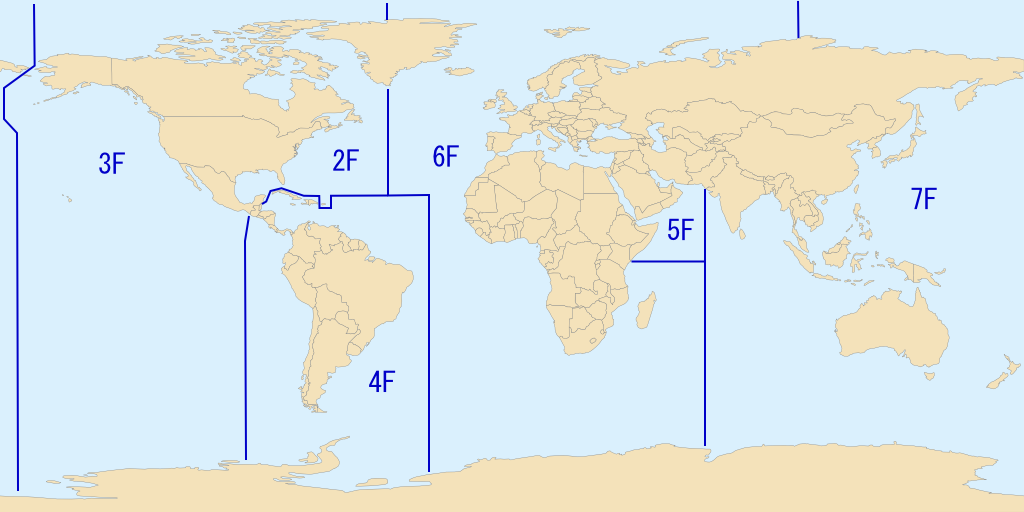
US Navy Fleet Organization
The Missing Class–Response Boat, Large–the WPB replacement:
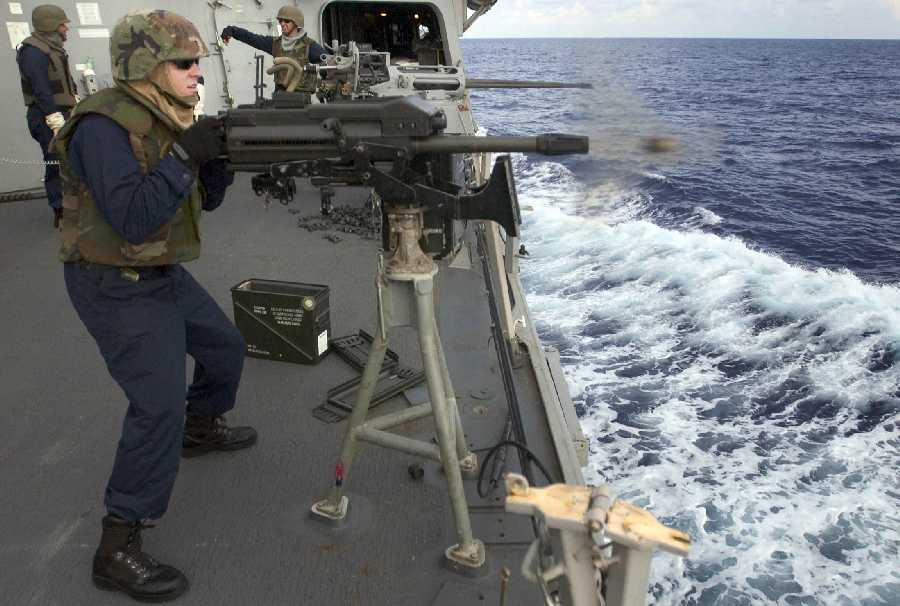
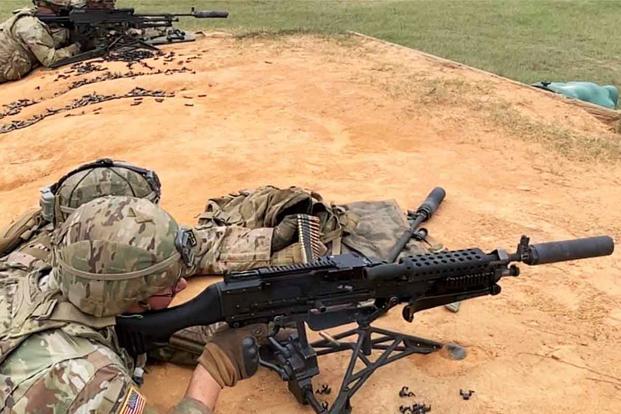
All along, I have been saying our cutter are not adequately armed to have a high probability of being able to stop a terrorist controlled vessel. Currently the Webber class WPCs seem to be the most likely craft to be in a position to take on that role, but in many scenarios they simply would not be up to the task. In addition we know that about half the critical ports or port complexes will have no Webber class homeported there so that they might respond most rapidly in the case of an attack.
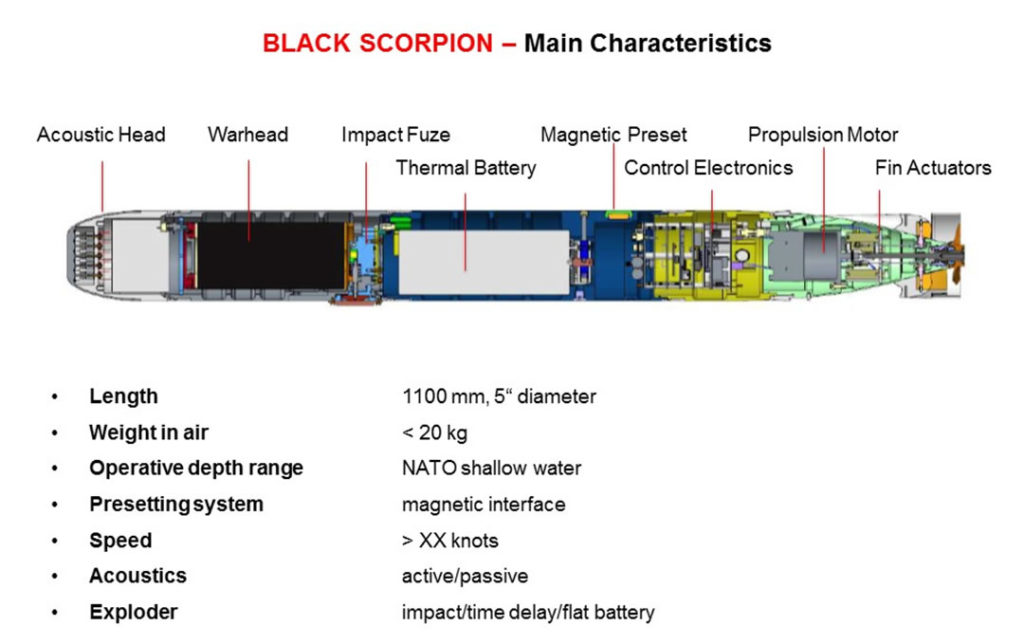
We still need to replace the 87 foot Marine Protector class WPBs. As we have discussed here and here, properly equipped, a vessel half the size of the Webber class could take on this job.
There were 74 Marine Protector class built. Wikipedia indicates there are 73 currently active and we know there is a proposal to decommission eight in the belief that their missions will be performed by Webber class and response boat, mediums. That would still leave 65.
Assuming we put two WPB replacements in position to protect each of the 31 critical ports, so that we could always have one either on standby or underway near by, it would only require 62. It the Webber class were better armed, and we only needed to protect those critical ports with no Webber class homported there, we would need no more than 34. If we also redistributed the D7 Webber class as suggested we would need only 26.






 Chuck Hill's CG Blog