USCGC Stratton in the Philippines

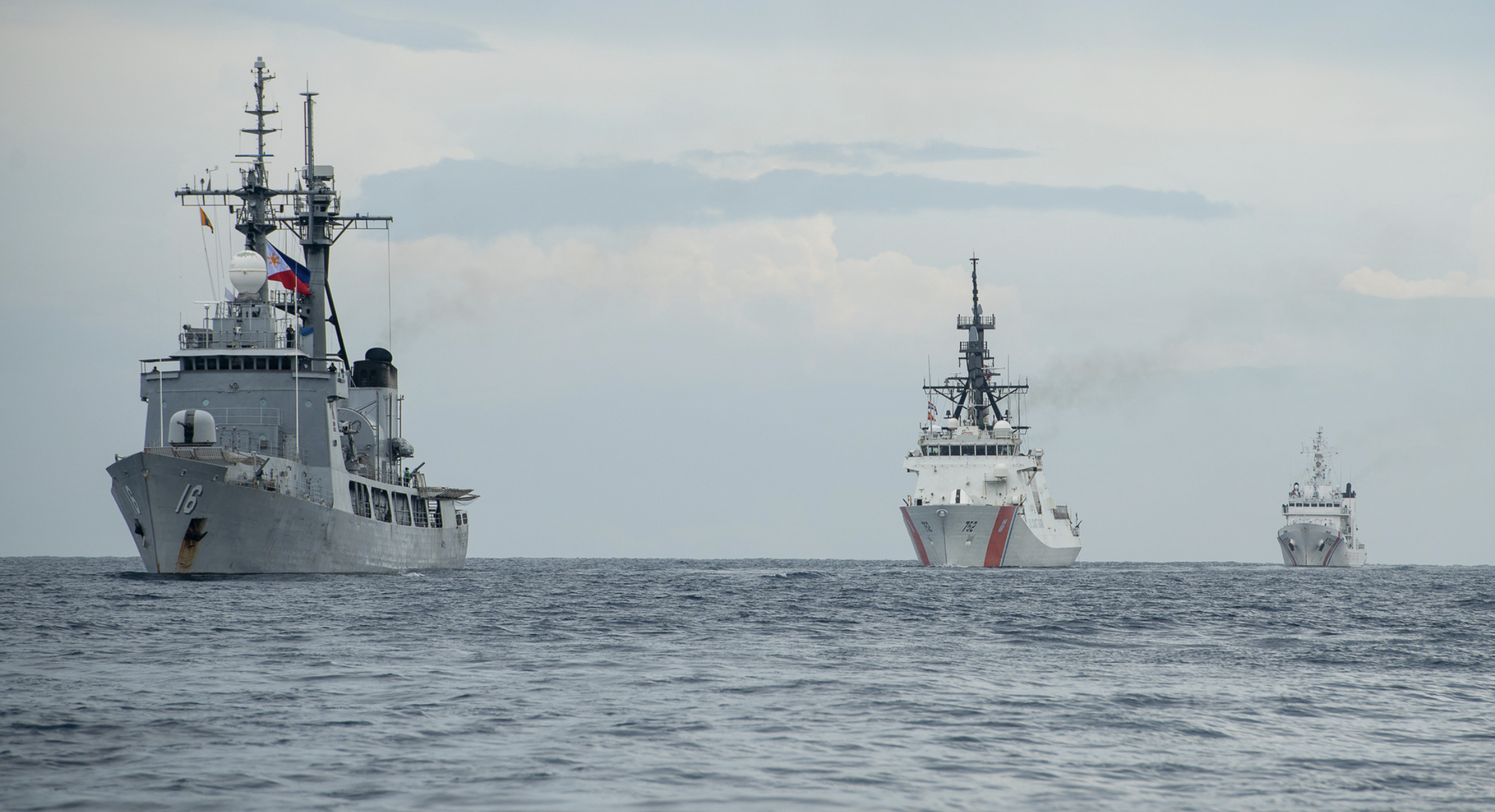
The Legend-class USCGC Stratton (WMSL 752) sails with Philippine Navy’s Gregorio del Pilar-class patrol ship BRP Ramon Alcaraz (PS-16) (former USCGC Dallas) and Philippine Coast Guard Vessel BRP Melchora Aquino (MRRV-9702) as part of a division tactics exercise in the Sulu Sea, May 20, 2025. Stratton is deployed and assigned to Destroyer Squadron (DESRON) 15, the Navy’s largest DESRON and the U.S. 7th Fleet’s principal surface force. The U.S. Coast Guard has operated in the Indo-Pacific for more than 150 years, and the service is increasing efforts through targeted bilateral patrols with our national security cutters, fast response cutters, and other activities conducted in support of maritime missions to enhance our regional partnerships. (U.S. Coast Guard photo by Petty Officer 3rd class William Kirk)

Below the line is a report of Alameda based USCGC Stratton’s visit to the Philippines at the start of a Western Pacific deployment. The report mentions exercising “with the Armed Forces of the Philippines and the PCG.”

“Following their departure, Stratton’s crew conducted a bilateral Maritime Cooperative Activity (MCA) …The MCA included exercises in maritime domain awareness, division tactics, maneuvering, and visit, board, search and seizure procedures.”

Following the link above we learn,

Participating units included the Legend-class cutter USCGC Stratton (WMSL-752) and a P-8A Poseidon maritime patrol and reconnaissance aircraft from the U.S. Navy, as well as the Philippine Navy’s Gregorio del Pilar-class patrol ship BRP Ramon Alcaraz (PS16); Acero-class patrol gunboats BRP Gener Tinangag (PG903) and BRP Domingo Deluana (PG905); an AW109 naval helicopter; the Philippine Air Force’s Super Tucano and Sokol helicopters; and the Philippine Coast Guard’s Teresa Magbanua-class patrol vessel BRP Melchora Aquino (MRRV 9702).

That is a pretty substantial exercise, US Navy, Philippine Navy, and Philippine Air Force in addition to US and Philippine Coast Guards.

While the Philippine Coast Guard has many of the trappings of a military service, they are not nearly as well armed as their Chinese, US, and Japanese counterparts. Their most powerful weapon seems to be .50 caliber machine guns. If they get into an armed confrontation with the Chinese, they cannot go it alone. Notably this was not a SAR exercise. Perhaps the idea was to practice coordination of support for the Philippine Coast Guard in their interactions with the Chinese, making sure the Philippine CG can communicate with the Philippine Navy and Air Force and with US assets in the area.

Army Recognition’s Naval News also has a report on the exercise which mentioned that Japanese built Philipine WPC BRP Malapascua (MRRV 4403) also participated in the exercise. “Philippine and US Naval Forces Conduct First Joint Maritime Exercise to Strengthen Indo-Pacific Maritime Security


May 24, 2025

U.S. Coast Guard Cutter Stratton departs Philippines, commences months-long Indo-Pacific patrol

PUERTO PRINCESA, Philippines — The U.S. Coast Guard Cutter Stratton (WMSL 752) and its crew departed Puerto Princesa, Philippines, Monday, after in-port engagements and visits with the Philippine Coast Guard (PCG), the U.S. Ambassador to the Republic of the Philippines MaryKay Carlson, U.S. embassy staff, and PCG District Palawan senior leadership.

Stratton’s visit to Puerto Princesa marked the first international port call of their months-long deployment to the Indo-Pacific region.

Following their departure, Stratton’s crew conducted a bilateral Maritime Cooperative Activity (MCA) with the Armed Forces of the Philippines and the PCG within the Philippines’ exclusive economic zone. The MCA included exercises in maritime domain awareness, division tactics, maneuvering, and visit, board, search and seizure procedures.

These engagements demonstrate the U.S. commitment to maritime governance that supports security, freedom and prosperity in the region.

The U.S. Coast Guard serves as a unique instrument of national power, bridging defense, diplomacy and law enforcement to further national objectives and mutual interests with allies and partners like the Philippine Coast Guard.

During the visit, Stratton’s commanding officer, Capt. Brian Krautler, welcomed Amb. Carlson, PCG Commandant Adm. Ronnie Gil Gavan, and senior PCG leaders aboard Stratton, highlighting U.S. Coast Guard interoperability with allies.

“Our alliance with the Philippine Coast Guard has cultivated a close, collaborative maritime partnership—this is Stratton’s second deployment to the Philippines during my two years aboard as commanding officer,” Krautler said. “Our enduring partnership enables combined effects and cooperation across a broad spectrum of engagements and operations. Stratton’s deployment to the Indo-Pacific will further strengthen our relationships with allied coast guards and services throughout the region.”

The U.S. Coast Guard works closely with regional allies to deliver a broad range of capabilities in support of a prosperous and secure Indo-Pacific. Multilateral operations like the at-sea MCA and in-port engagements enhance cooperation, improve interoperability and strengthen readiness.

While moored, Krautler and Stratton’s leaders also met with the WESTCOM Commander PCG District Palawan for a pre-sail planning meeting to discuss bilateral search and rescue exercises (SAREX) to enhance cooperation. At-sea operations and exercises with the Philippine Coast Guard will strengthen the ability to execute coordinated maritime operations and enhance overall mission readiness.|

The U.S. Coast Guard’s commitment to a prosperous and secure Indo-Pacific requires working closely with regional allies, allowing the service to improve its logistics flexibility to better deliver a broad range of capabilities.

During the patrol, Stratton is scheduled to engage with regional partners and participate in joint operations aimed at enhancing maritime safety and security. Throughout its Indo-Pacific deployment, Stratton is assigned to Destroyer Squadron (DESRON) 15, the Navy’s largest DESRON and the U.S. 7th Fleet’s principal surface force. DESRON 15 regularly assumes tactical control of surface units operating in the area.

Stratton’s port call to the Philippines marks the cutter’s third visit following stops in 2019 and 2023. Consistent U.S. Coast Guard national security cutter deployments to the region demonstrate the U.S. commitment to strong maritime governance that supports security, freedom and prosperity in the Western Pacific.

Commissioned in 2012, Stratton is one of ten Legend-class national security cutters and one of four homeported in Alameda, California. National security cutters are 418 feet long, 54 feet wide and have a 4,600 long-ton displacement with a top speed of 28 knots, a range of 12,000 nautical miles and can hold a crew of up to 170. National security cutters routinely conduct operations throughout the Pacific, where their combination of range, speed and ability to operate in extreme weather provides mission flexibility.

The namesake of U.S. Coast Guard Cutter Stratton is Capt. Dorothy Stratton, who led the service’s all-female reserve force during World War II. Dorothy Stratton was the first female commissioned officer in the Coast Guard and commanded more than 10,000 personnel. The ship’s motto is “We can’t afford not to.”

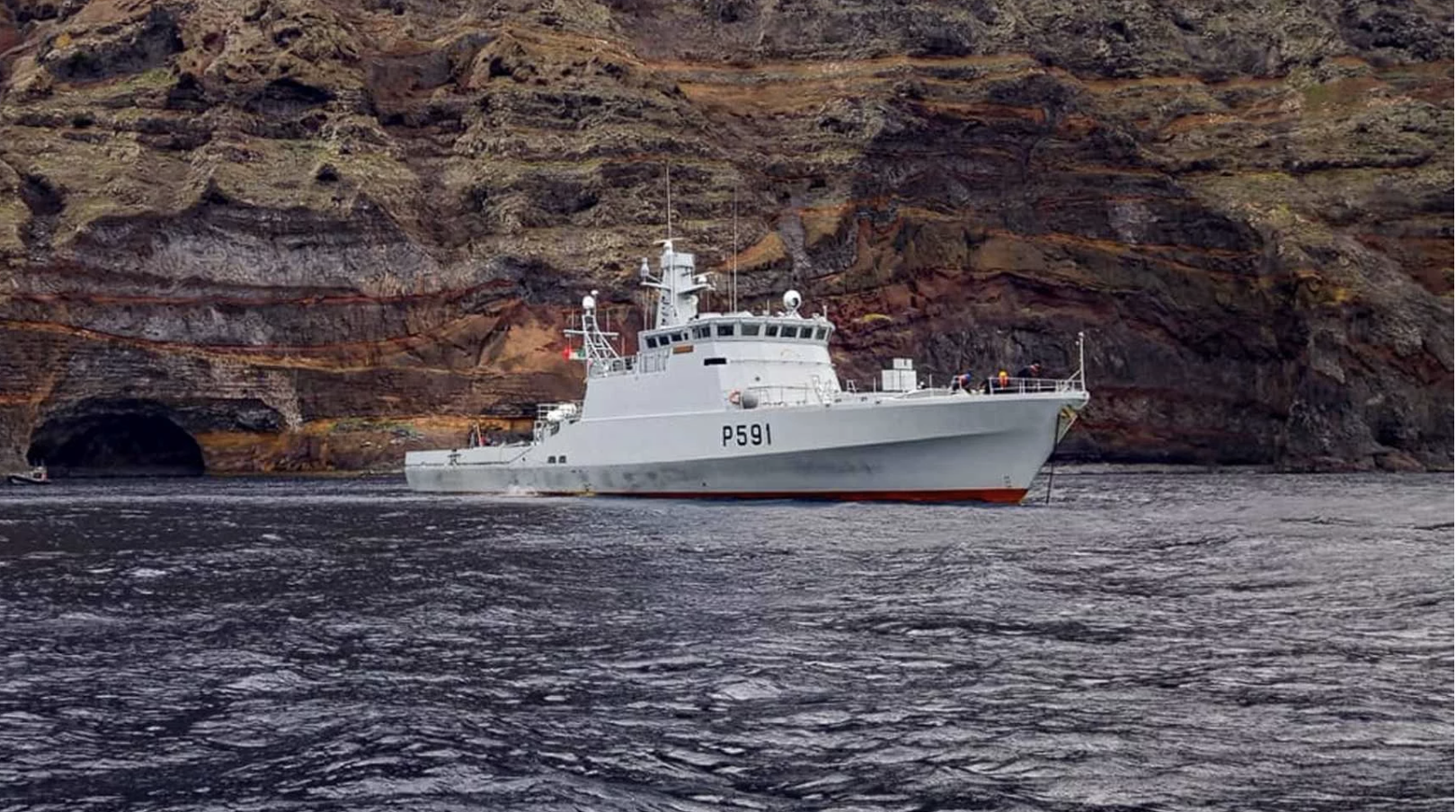
“Brazil to start the construction of 11 new NPa500MB offshore patrol vessels” –Navy News

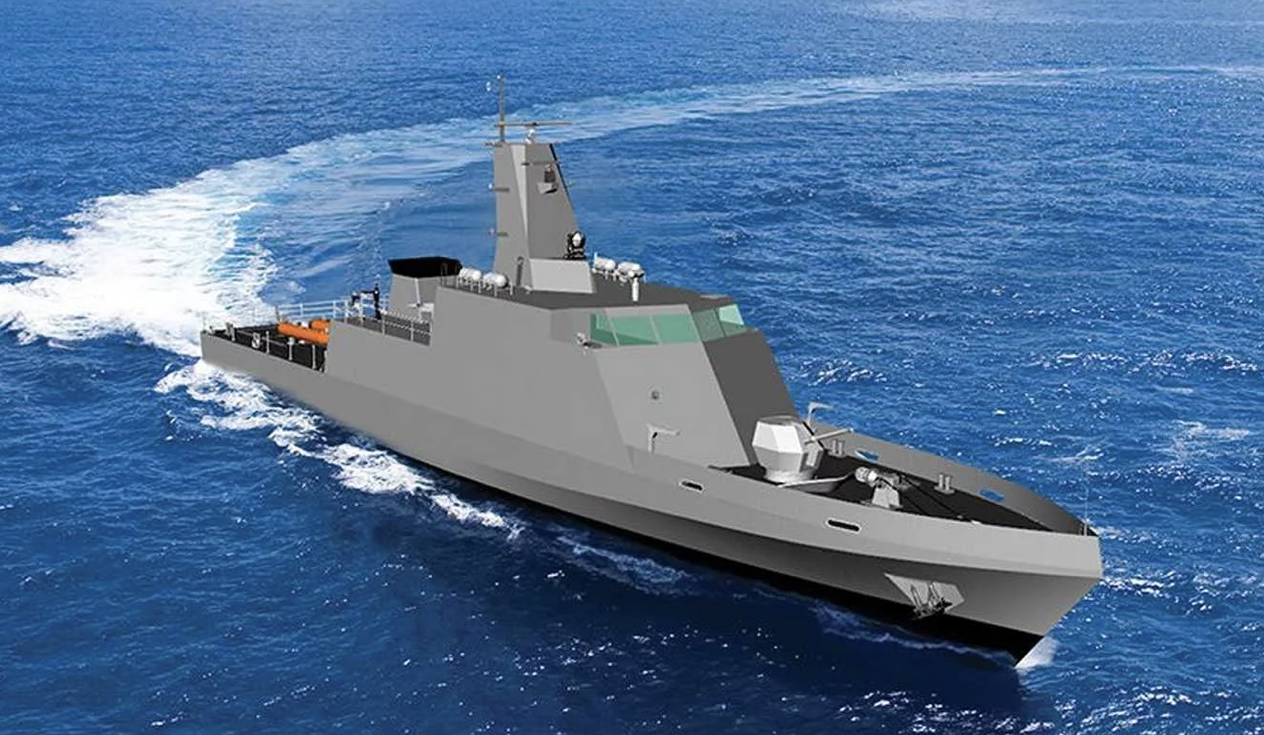
The planned total cost for the eight NPa500MB OPVs is estimated at 2.8 billion reais (~476 million USD), while three other vessels will be specifically configured for mine countermeasures operations. (Picture source: Emgepron)

Army Recognition’s Navy News reports,

“…February 24, 2025, the Brazilian Navy’s Naval Systems Design Center (CPSN) delivered the basic engineering plan for the 500-ton offshore patrol vessel (NPa500MB) to Emgepron, a state-owned company responsible for naval projects, in late January. This step is part of the Patrol Vessel Acquisition Program (PRONAPA), which involves the domestic construction of 11 offshore patrol vessels (OPVs) with a high percentage of locally sourced components. These vessels are designed for the surveillance and protection of the Exclusive Economic Zone (EEZ), search and rescue operations, and combating illegal activities such as illegal fishing.

Brazil has the tenth largest EEZ in the world at 3,830,955 km sq., about one third that of the US, less than Canada, Japan, or New Zealand, but more than Chile, Kiribati, or Mexico.

Brazil has no Coast Guard. The Brazilian Navy operates 22 vessels they refer to as offshore patrol vessels. Only three are what the USCG would call medium endurance cutters. Four are near 40 year old former Royal Navy 890 ton 14 knot steel hulled minesweepers. 12 are 217 tons full load, 152’7″ (46.5 m), 26.5 knot patrol craft commissioned 1993 to 2009.

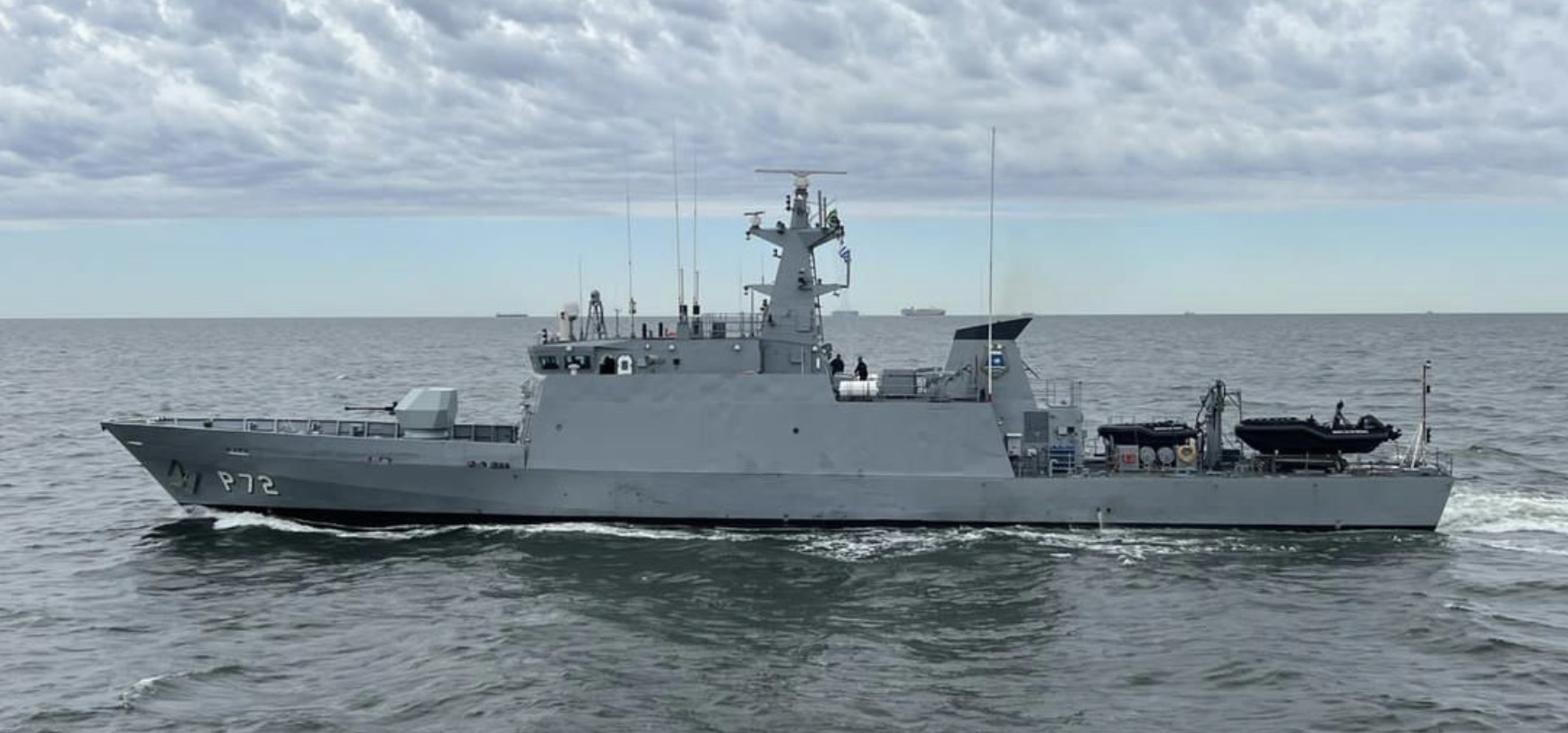
The remaining three are 500 ton, 182’5″, 21 knot Macaé class. Two vessels of this class are still building.

Macaé class patrol craft Navio-Patrulha Maracanã (P72) – 2023

If the Brazilian patrol vessel fleet were to provide the same coverage as the US Coast Guard in proportion to the size of their EEZ, they would need 12 large patrol ships (over 1000 tons) and about 20 smaller patrol craft. (They may be supplementing their patrol force with other classes of vessels.)

The new design appears to be an evolutionary outgrowth of the Macaé class since it is only slightly larger and has similar layout and performance: overall length of 58.9 meters (193’3″), a beam of 9.0 meters (29’6″), a maximum draft of 2.5 meters (8’2″), and a displacement of 564 tons

Presumably the Brazilian Navy sees the Macaé class as successful, but the new ships do not appear to be a significant improvement over the Macaé class. As I noted earlier (How Long Should an OPV be? Is There a Minimum?) I believe a length of at least 80 meters is the minimum for a truly fully capable OPV. In addition to better range, endurance, and seakeeping, the additional length allows incorporation of features that appear to be becoming standard on OPVs, including multiple, more capable, 8 to 11 meter RHIBs (perhaps a stern ramp), space for containerized mission modules and unmanned systems, and a flight deck and hangar for at least UASs.

The Macaé class was based on the 400 ton, 55 meter French P400 class patrol vessel. The French came to believe they needed a larger vessel and have begun replacing their P400 class with vessels with the 80 meter POM. Perhaps Brazil should again look to France and base their next OPV on the more capable POM.

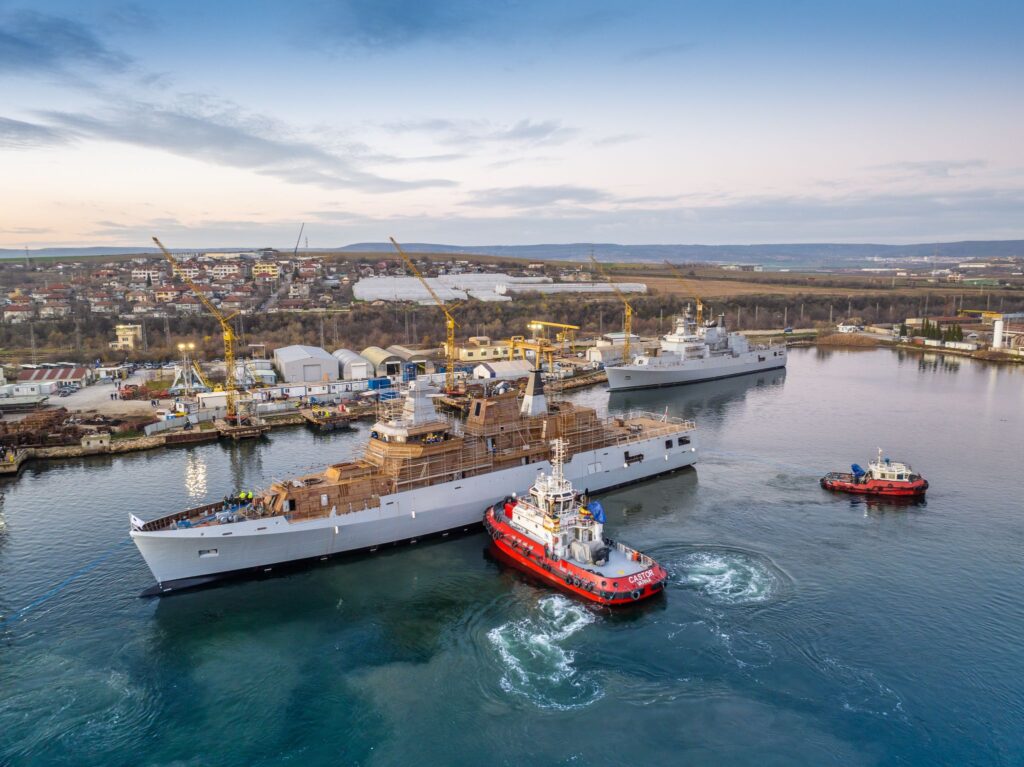
“Bulgaria’s Second MMPV Launched by Local Shipyard” –Naval News

Naval News reports,

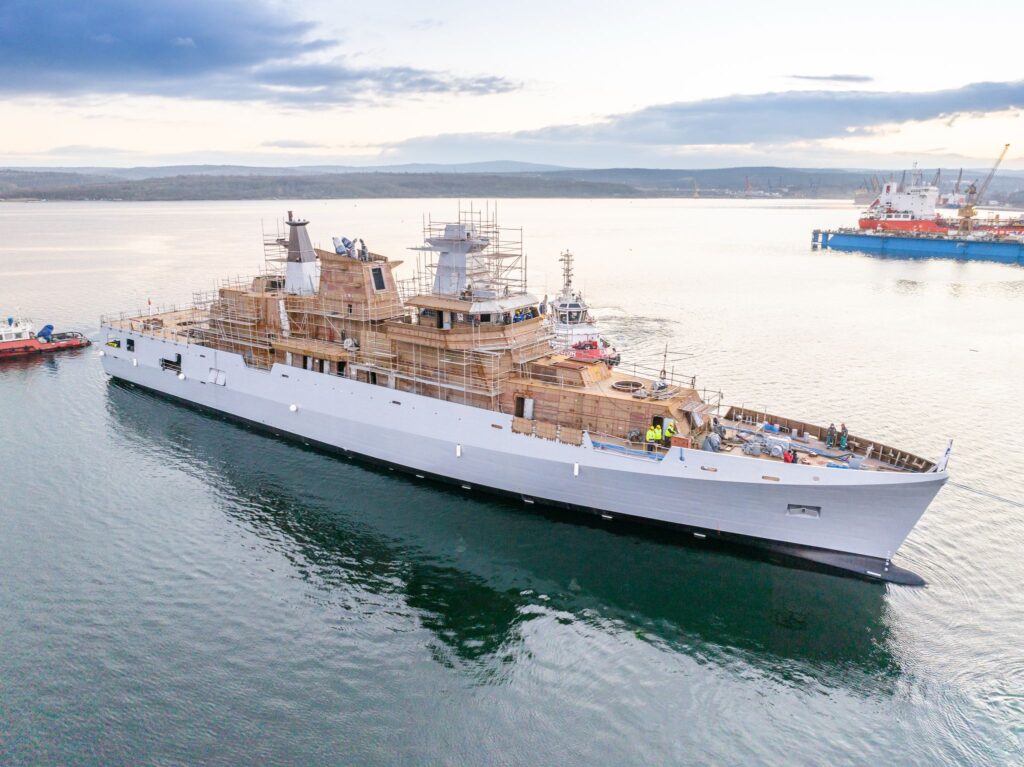
The second of two MMPVs (Multipurpose Modular Patrol Vessels–Chuck) was launched ahead of schedule. According to the contract, it was supposed to take place in April 2025. The two MMPVs are being built under a contract signed November 12, 2020 between the Bulgarian Ministry of Defence and the German shipbuilding group Fr. Lürssen Werft (now NVL – Naval Vessels Lürssen). The vessels will cost about BGN 984 million gross (about EUR 503 million).

These are a significant step up from the earlier Lürssen designed 80-meter Darussalam class built in Germany for the Royal Brunei Navy and the Arafura class building in Australia.

They are to be equipped with two twin launchers for RBS15 Mk3 anti-ship missiles, 8 cells for MBDA VL MICA surface to air missiles, Leonardo OTO Super Rapid 76mm gun, Rheinmetall Millennium 35mm CIWS, and 324mm light weight ASW torpedoes. They will have a SAAB combat management system and a hangar for a Eurocopter AS565MB Panther helicopter, an aircraft that is an evolution of the H-65 design.

Specifications indicate:

  • Displacement: 2,300 tons
  • Length: 90 meters (295′)
  • Beam: 13.5 meters (44.3′)
  • Max Speed: variously reported as 20 to 24 knots
  • Range: 3000 nautical miles at 14 knots.
  • Crew: 70

These ships remind me very much of the new Damen designed Pakistani 2,600 ton, 98 meter OPVs. The layout is much the same:

  • Gun and VLS AAW system forward of the bridge elevated above the main deck
  • Anti-ship cruise missiles behind the bridge
  • Uptakes
  • Hangar with a 35mm CIWS mounted on the roof
  • Flight deck that extends all the way to the stern
  • Reconfigurable space below the flight deck.

Reconfigurable space is becoming common but what really sets these two classes apart from other OPVs is the VLS launchers for small surface to air missiles. On the slightly larger Pakistani ships, which appear more capable, the missile is a bit larger and the gun smaller. The Pakistani ship also has a pair of 30mm guns similar to the Mk38 Mod4.

I think we are going to start seeing this general layout on more OPVs in the future.

Given the need for more than the currently planned 36 large cutters, and the increasingly hostile geopolitical environment, building something like these smaller, cheaper, but more combat capable ships, in greater numbers, rather than the last ten planned OPCs might be worth considering.

I would suggest we could build a cutter with configurable space sufficient to support a towed array, a flight deck, hangar, and magazines sufficient to support an MH-60R, eight Mk41 VLS (sufficient for16 ESSMs and four vertical launch ASROCs) forward of the bridge. Launchers for up to eight Naval Strike Missiles (we don’t need to carry the missiles themselves all the time), SeaRAM, and one or two 30mm Mk38 Mod4s. This should all be possible on a 25 knot ship of less than 3000 tons.

Korean Built Ships for the Philippine Navy and Coast Guard –Naval News

Naval News has a new post, “HD HHI Pitches Horizon 3 Frigates, Corvettes and White Hulls to Manila” that includes the video above.

HD HHI has delivered two “frigates” to the Philippine Navy and has contracts for six offshore patrol vessels (OPV) and two corvettes. Hyundai apparently hopes to continue this successful collaboration with proposals to meet Philippines requirements for larger and more capable “Horizon 3” frigates and for Philippine Coast Guard cutters.

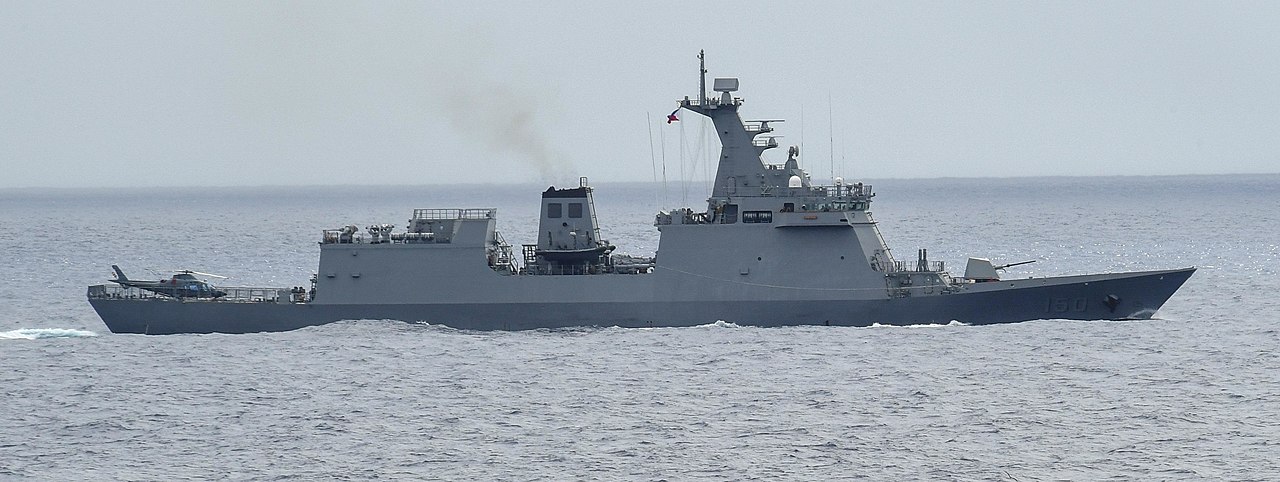
200820-N-TT059-2393 PACIFIC OCEAN (Aug. 20, 2020) Republic of the Philippines Navy ship BRP Jose Rizal (FF 150) participates in a tactical maneuvering drill with U.S. Coast Guard ship USCGC Munro (WMSL 755) and U.S. Navy guided-missile cruiser USS Lake Erie (CG 70) during exercise Rim of the Pacific (RIMPAC) 2020. (U.S. Navy photo by Mass Communication Specialist Seaman Lily Gebauer)

The two Philippine 2,600 ton Jose Rizal class frigates (pictured above) are smaller than the former USCG Hamilton class cutters (3200 tons). The follow-on (3,200 ton) Miguel Malvar class corvettes (or light frigates) will be larger and more capable. The Horizon 3 Frigate will be larger still.

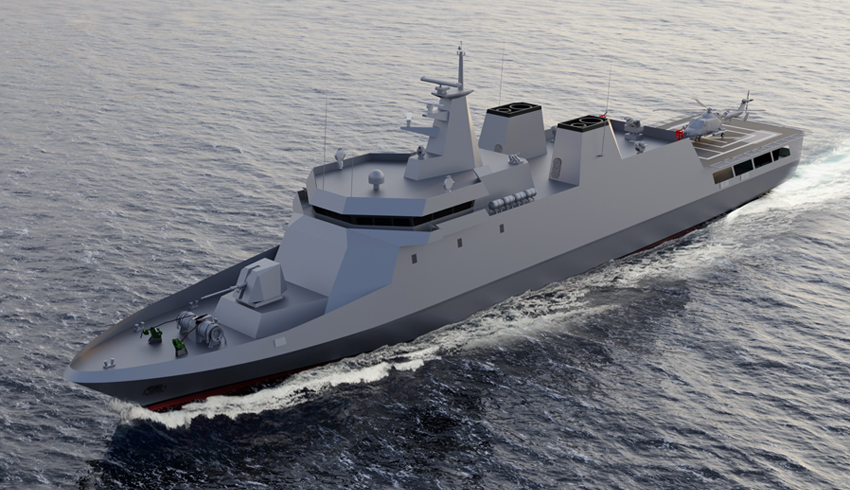
The six Philippine Navy Offshore Patrol Vessels (above) will be 2400 tons full load; 94.4 meters (310′) in length; 14.3 meter (47′) of beam; with a maximum speed of 22knots; and a maximum range of 5,500 nautical miles at 15 knots. It appears they will be armed with a 76mm gun, two 30mm guns, and two Simbad-RC twin-Mistral missile launchers. HHI is proposing cutters based on this design for the Philippine Coast Guard.

Will the Philippine Coast Guard arm its cutters? Currently no Philippine Coast Guard (PCG) vessels have any weapons larger than .50 caliber machine guns, but the models of possible future Philippine Coast Guard vessels all carried some type of installed weapons system, apparently 30mm, 40mm, or 76mm. Was this because the PCG intends to field larger weapons or just because that is the way South Korean CG cutters are armed? The twin 35mm Gökdeniz close-in weapon system (CIWS) mounted on the new corvettes and that appears on the model of the proposed Horizon 3 frigate would be very appropriate for the Philippine Coast Guard.

There is an interesting statement at the end of the post,

“HD HHI plans to realize its ‘Pacific-Rim Belt Vision’, establishing regional hubs in countries such as the Philippines, Peru, Australia, Saudi Arabia, and the United States (emphasis applied–Chuck) based on its advanced shipbuilding technologies.”

“French Navy’s New Offshore Patrol Vessels to Feature Anti-Drone Detection System.” –Navy News/Army Recognition

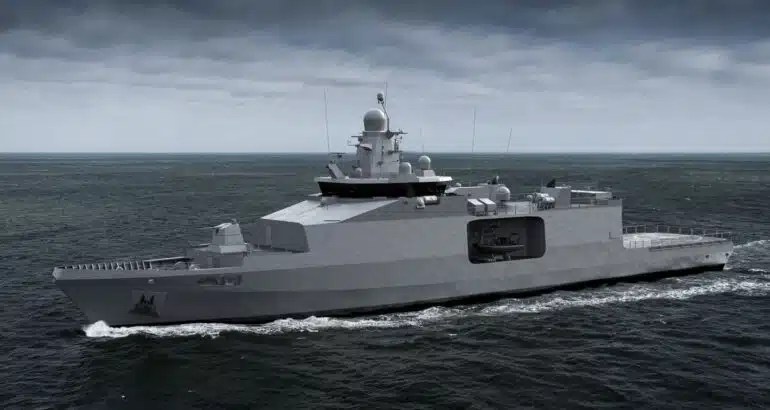
A model of the future French Navy’s Offshore patrol vessel at Euronaval 2024 in Paris, France. (Picture source: Army Recognition) Click on the photo to enlarge.

Army Recognition’s Navy News reports,

“According to a PR published by Cerbair on November 5, 2024, the French Navy’s new offshore patrol vessels, commissioned by the French Defense Procurement Agency (DGA) in 2023, will soon benefit from enhanced protection against drone threats. The French Navy ordered a fleet of seven vessels that will incorporate CERBAIR’s navalized radio frequency (RF) detection system, ensuring a level of security against increasingly sophisticated drone threats. This strategic move is a culmination of years of collaboration among CERBAIR, the French Navy, and key defense industry partners such as Naval Group, CMN, Piriou, and Socarenam shipyards.”

The USCG is also concerned about drone threats. The post seems to be talking an electronic warfare system. The National Security Cutters, Offshore Patrol Cutters, and 270 foot WMECs all have or will have electronic warfare systems. Their effectiveness (or not) against drones is not clear.

Probably the most effective thing the US Coast Guard could do against drones in the short term is to trade the 25mm guns they have in Mk38 mounts for 30mm guns that have airburst ammunition available. That could provide a capability on the OPCs, the SLEPed WMEC270s, and most importantly the FRCs as the units most likely to encounter this threat.

There are two different 30mm chain guns. Both fire airburst ammunition. The 25mm may be better than the 30mm M230/914 family that use the lower velocity 30x113mm round for countering surface threats, but we know the 30mm Mk44 Bushmaster II/XM813 is significantly better than the 25mm against surface targets as well as air targets.

The Army Recognition post included a new photo of a model of the new class of Offshore Patrol Vessels, so thought we might take another look at the program.

These seven ships, which will perform coast guard like missions, were ordered almost exactly a year ago, 17 November 2023 and are expected to be delivered from 2026 to 2030. Three additional ships are expected to be delivered 2031,2032, and 2033.

Artist impression of the Patrouilleur Hauturier OPV underway. Naval Group image.

Wikipedia reports these vessels will be 92 metres (302′) long and will have a fully loaded tonnage of approximately 2,400 tons. They will have a range of 6,000 nautical miles @12 knots with maximum speed of 21 knots. 

“They will be able to accommodate 84 people on board (crew and passengers combined). They will be able to take on board the Navy’s EDO NG and ECUME NG (RHIBs–Chuck). The hangar and the aft deck will be able to accommodate the future Guépard Marine (H160M Cheetah helicopter–Chuck) or a VSR700 type helidrone .

The patrol boats will be equipped with the RapidFire Naval close-quarters weapon system, designed by Nexter and Thales around its 40 CTC telescoping ammunition cannon, equipped with an optronic fire control system, a range of 4,000 m and a rate of fire of 200 rounds/min. They will be equipped with Thales’ Bluewatcher hull sonar as part of their mission to support nuclear deterrence.” (Force Protection for French ballistic missile submarines–Chuck)

I did a post about the gun in 2016.

Late addition. Naval News has a post about this new class. It includes the video below.

“Coast Guard to send 3 more cutters to Guam, has no plans to escort Philippine ships” –Stars and Stripes

A U.S. Coast Guard boat crew and boarding team from U.S. Coast Guard Cutter Oliver Berry (WPC 1124) approaches a foreign fishing vessel to conduct a joint boarding inspection with members of the Western and Central Pacific Fisheries Commission on the high seas in Oceania, Sept. 22, 2024. U.S. Coast Guard Cutter Oliver Berry’s crew recently completed a 45-day patrol in Oceania in support of Operation Blue Pacific, promoting security, safety, sovereignty, and economic prosperity in the region.

Stars and Stripes reports,

The Coast Guard will double its Guam fleet to six cutters but doesn’t plan to accompany the Philippine coast guard as it struggles to maintain territorial claims in the South China Sea, the service’s Pacific-area commander said Friday.

This is based on a video news conference by Pacific Area Commander Vice Adm. Andrew Tiongson speaking from Japan.

“The Coast Guard will not escort Philippine resupply missions to the BRP Sierra Madre, a grounded warship garrisoned by Filipino troops at the Second Thomas Shoal in the South China Sea, according to Tiongson.”

The Philippines has not asked for escorts, Tiongson said. “We do advise, and we do assist,” he said. “We provide what we would do in this situation.”

He also said, “It’s possible we may get another Indo-Pacific support cutter,” using the description applied to USCGC Harriet Lane, recently arrived in the Pacific Area to support operations in the Western Pacific.

There is more in the article.

Russian and Chinese Coast Guards Exercise Together and Form Combined Task Force / The CCG Cutters

Recently the China Coast Guard and the Russian Coast Guard held joint exercises in the Peter the Great Gulf near Vladivostok. After the exercise, they formed a joint task force. 

Also wanted to identify the China Coast Guard Cutters seen in the video.

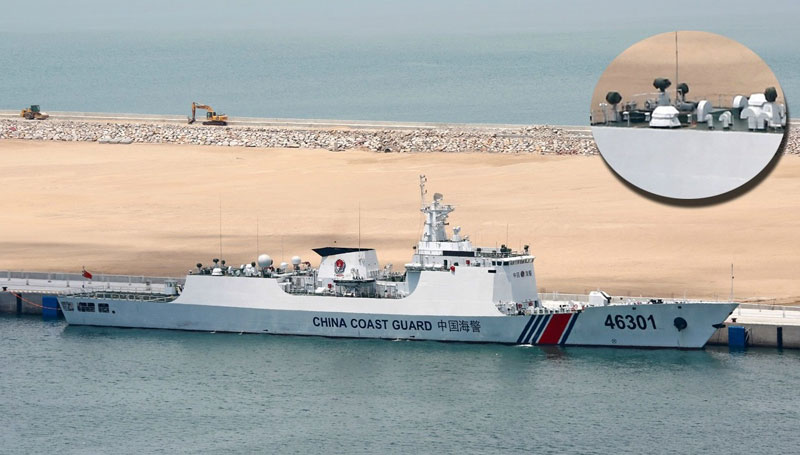
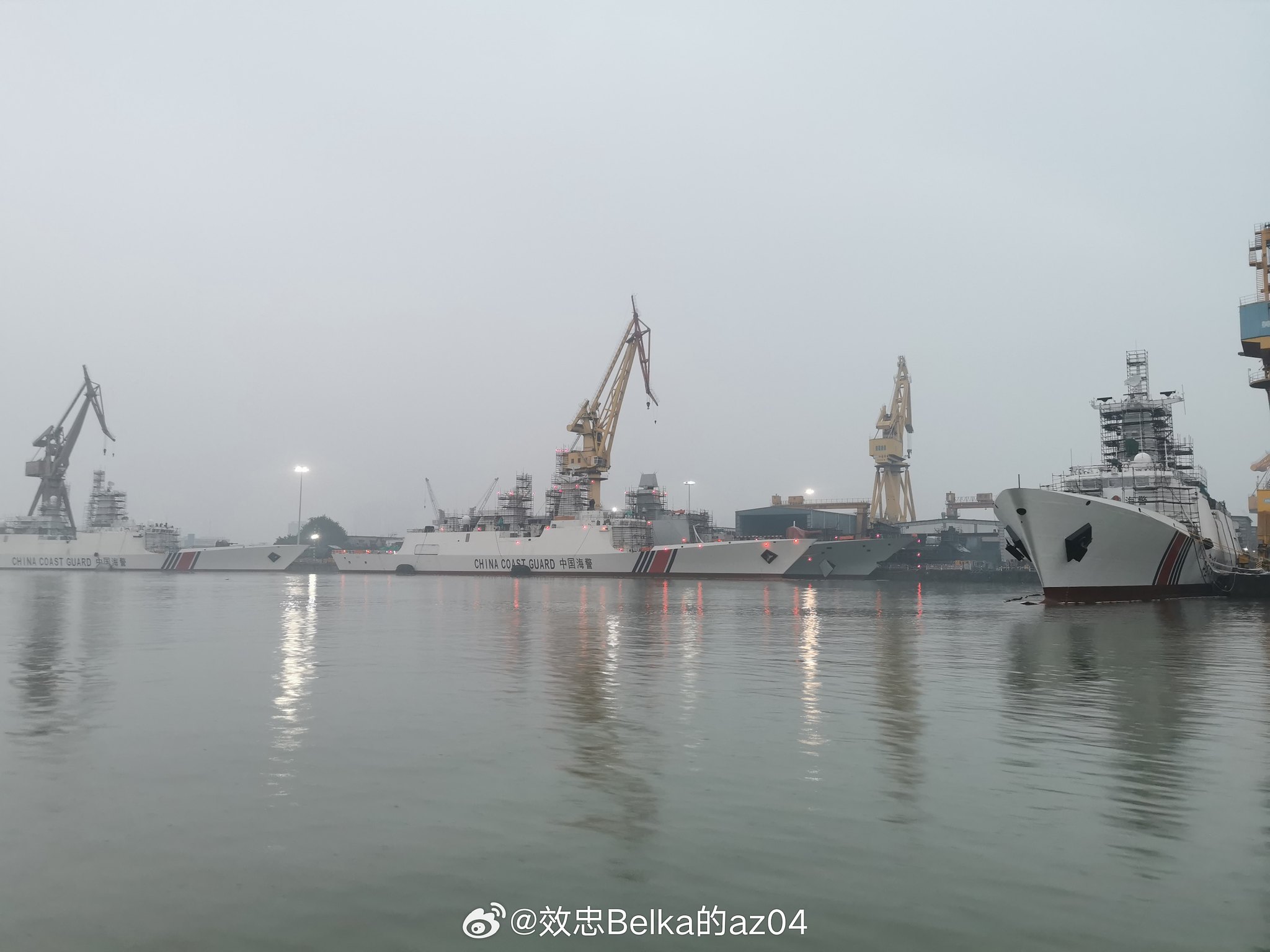
They are Zhaoduan class Type 818, derived from the PLAN Type 054A frigates. According to the Office of Naval Intelligence, (lots of information at the link. The China Coast Guard has the largest coast guard fleet in the world) there are at least six of the class. They are almost as large as National Security Cutters (NSC), reportedly 4,000 tons full load, 134 meters (440′) in length, 16 meters (52.5′) of beam, speed 27 knots, range 8,000 miles.

In addition to the 76mm gun, they have a pair of 30mm Gatling guns. It is not clear if they have a fire control system that would make the 30mm guns effective as CIWS, but they could certainly do serious damage to surface targets at close range in a very short time.

“Royal Navy makes first ‘narco-sub’ drugs seizure” –BBC

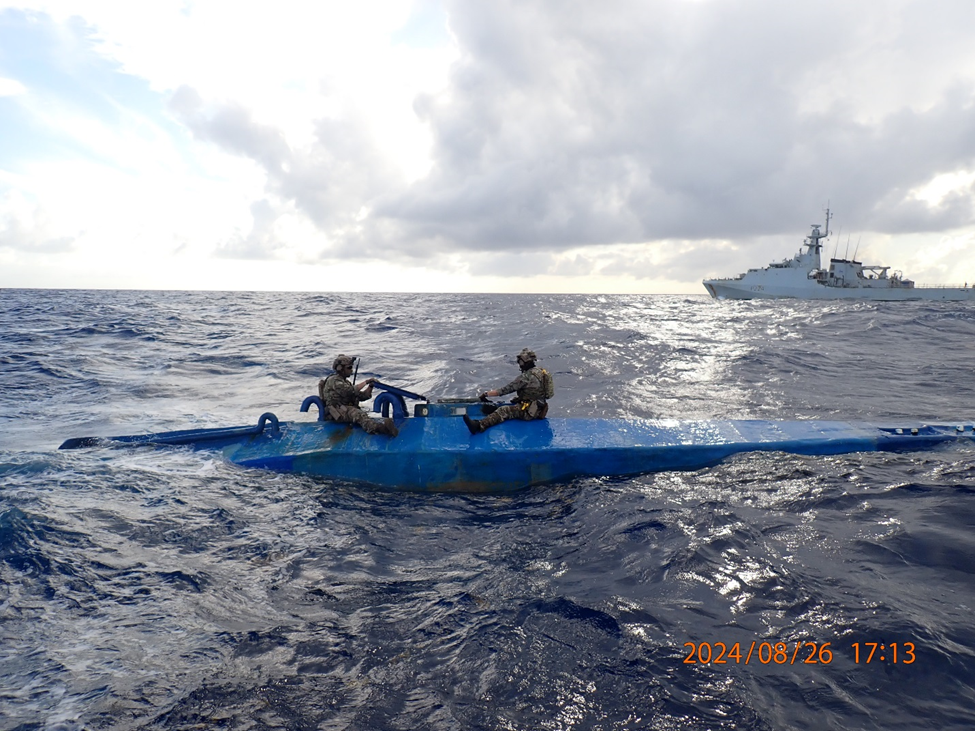
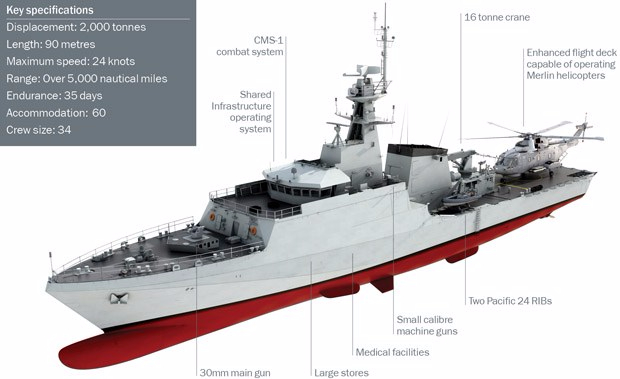
Crew members form U.S. Coast Guard Tactical Law Enforcement Detachment (LEDET) 111 and British Royal Navy team embarked aboard HMS Trent (P244) interdicts a semi-submersible drug smuggling vessel in the international waters of the Caribbean Sea, Aug. 26, 2024. Three suspected smugglers and 1,239 pounds of illegal narcotics from this interdiction were transferred to federal custody for prosecution by the U.S. Department of Justice. (Courtesy image from United Kingdom Royal Navy)

BBC reports,

“HMS Trent has made eight drug seizures since deploying to the Caribbean in December 2023, setting a new record, the Royal Navy added.

“It said the patrol ship had seized more than 9,400kg (20,000lb) of drugs, making it the best hunter of smugglers in the Royal Navy this century.”

Below is the Coast Guard news release regarding the offload.


Sept. 10, 2024

Coast Guard offloads more than $54 million in illegal narcotics interdicted in Caribbean Sea

Coast Guard Seventh District – (305) 415-6683

MIAMI – The crew of Coast Guard Cutter Diligence offloaded more than 4,125 pounds of cocaine with an assessed street value of approximately $54 million in Port Everglades, Monday.

Coast Guard crews, working alongside interagency and international partners, seized the illegal drugs in the international waters of the Caribbean Sea during three separate interdictions.

The following assets and crews were involved in the interdictions:

  • Royal Navy ship HMS Trent (P 244)
  • U.S. Coast Guard Tactical Law Enforcement Team Pacific (PAC-TACLET)
  • U.S. Coast Guard Cutter Joseph Napier (WPC 1115)
  • U.S. Customs and Border Protection Air and Marine Operations (CBP-AMO)
  • Joint Interagency Task Force South (JIATF-South)

Along with the illicit narcotics, 11 suspected smugglers were apprehended and will face prosecution in federal courts by the U.S. Department of Justice.

“I am extremely proud of our crew’s tenacity and professionalism, coupled with outstanding coordination with Coast Guard aircrews, during this complex counter-drug mission,” said Lt. Matthew Carmine, Coast Guard Cutter Joseph Napier commanding officer. “Their steadfast efforts, along with those of foreign allies and partner agencies, continue to prove vital to countering drug trafficking organizations and safeguarding the people of Puerto Rico and the U.S. Virgin Islands.”

Detecting and interdicting illicit drug traffickers on the high seas involves significant interagency and international coordination. The Joint Interagency Task Force South in Key West, Florida conducts the detection and monitoring of aerial and maritime transit of illegal drugs. Once interdiction becomes imminent, the law enforcement phase of the operation begins, and control of the operation shifts to the U.S. Coast Guard throughout the interdiction and apprehension. Interdictions in the Caribbean Sea are performed by members of the U.S. Coast Guard under the authority and control of the Coast Guard’s Seventh District, headquartered in Miami.

These interdictions relate to Organized Crime Drug Enforcement Task Forces’ (OCDETF) Strike Force Initiatives and designated investigations. OCDETF identifies, disrupts, and dismantles the highest-level criminal organizations that threaten the United States using a prosecutor-led, intelligence-driven, multi-agency approach. Additional information about the OCDETF program can be found at https://www.justice.gov/OCDETF.

For breaking news, follow us on “X” (formerly Twitter). For additional information, find us on Facebook and Instagram.

Visit GoCoastGuard.com to learn about active duty and reserve, officer and enlisted opportunities in the U.S. Coast Guard. Information on how to apply to the U.S. Coast Guard Academy can be found here.

Cutter Size Ships Building in Latin America

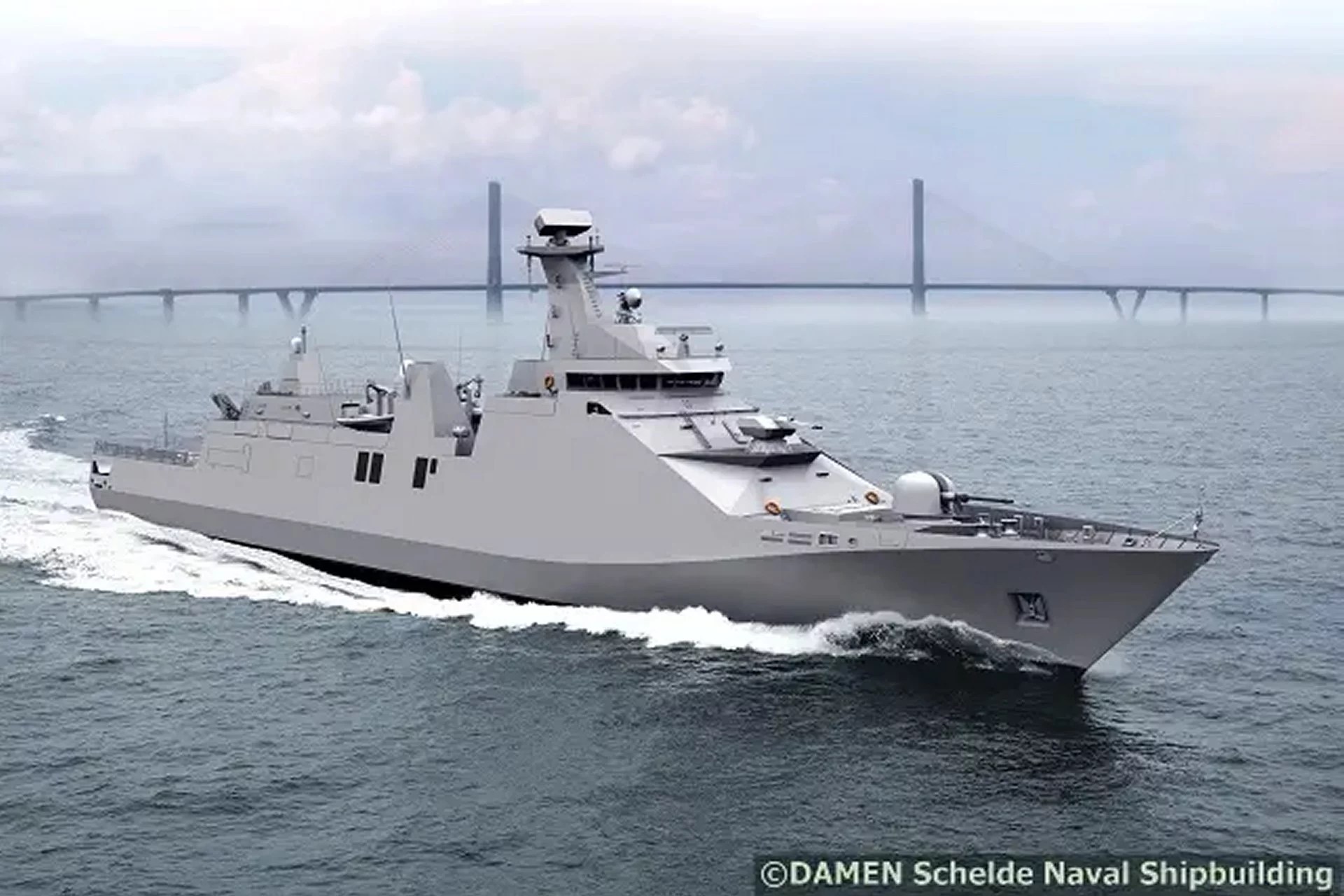
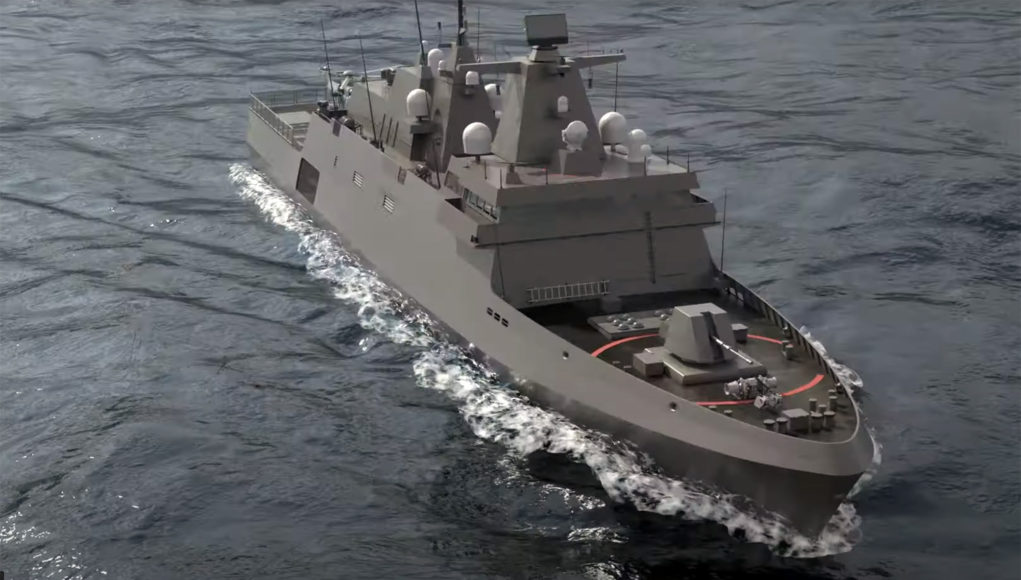
Damen SIGMA 10714 for Colombia

Always interesting to see what other countries are doing in terms of ships that will perform coast guard style missions. In some countries, these are their largest warships.

Two recent reports from Latin America.

In both cases they have chosen to build ships with the assistance of experienced European shipbuilders. Both are smaller than either the National Security Cutter or the Offshore Patrol Cutter.

Brazil has launched the first of a planned eight Tamandaré-Class Frigates, pictured above, designed by ThyssenKrupp Marine Systems of Germany. It is evolved from earlier MEKO designs that include the German K130 Braunschweig class corvettes and the Israeli Sa’ar 6.

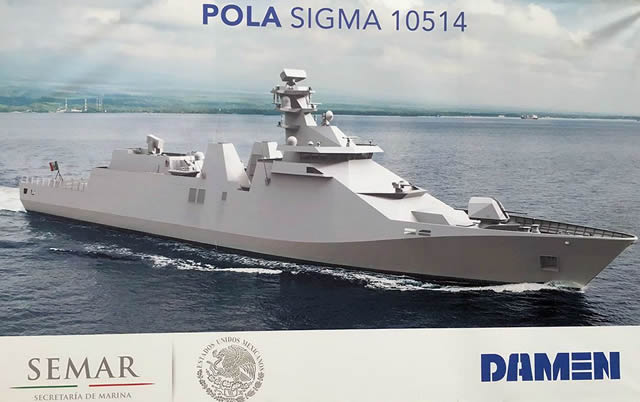
Colombia has contracted with Damen, designers of the USCG Fast Response Cutters, to help locally build the first of five planned light frigates that will replace four somewhat smaller sized Admirante Padilla class ships commissioned 1983/4. The design is a Damen SIGMA 10714 design, meaning it is 107 meters (353′) in length with a beam of 14 meters (46′). The design is closely related to ships built in Mexico (pictured below) and in Indonesia.

Mexico’s Damen SIGMA 10514, ARM Benito Juárez (POLA-101)

Vertical Launch AAW Missiles on a New Russian Coast Guard Cutter?

The Army Recognition Group’s Global Defense News organization reports,

According to Tehnoomsk on June 28, 2024, Russia is currently developing a new patrol ship using the Karakurt class as a platform. Shipbuilders from the Leningrad shipyard “Pella” and engineers from the Central Marine Design Bureau “Almaz” are working on this project for the Coast Guard of the Border Service of the FSB of Russia. This project leverages the established design of the Project 22800 Karakurt class missile corvette. The new vessel will be equipped with the Resurs 3K96-3E multi-channel anti-aircraft missile system and various other weapon systems.

We should note that this does not report there has been a contract awarded for construction, but if these are built and armed as described, it would mark a return to Cold War practice we have not seen for more than three decades and despite their small size, these cutters could be the most powerfully armed coast guard vessels in the world.

Russian Rubin class (Project 22460) patrol vessel Rasul Gamzatov, typical of recent Russian Coast Guard construction of a similar size ship.  It is armed with a single 30mm six-barrel Gatling gun. (Picture source: Военный Осведомитель)

During the Cold War the Soviet coast guard counterpart frequently operated variants of Soviet Navy vessel classes. The Russian Coast Guard still has a pair of Krivak III frigates and a Pauk class corvette that came out of this era, but since that time Russian Coast Guard patrol cutters have had no Navy counterpart. Their armament has not been much different from that of typical Offshore Patrol Vessels. I have seen no indication of either Anti-Ship missiles or Anti-Aircraft missiles (other than man portable air defense missiles) on Russian Coast Guard vessels.

Russian Project 22800 Karakurt class corvette with 76.2 mm 59-caliber AK-176MA gun and Pantsir-M gun and missile CIWS. Vertical launch system for surface to surface missiles visible amidships. Photo Source: Reddit (Warship Porn)

The ships that this proposal is based on are the Project 22800 Karakurt class missile corvette, two of which appear to have been lost in the ongoing war between Russia and Ukraine. Members of the class have been able to reinforce the Russian Black Sea Fleet even after Turkey closed the Dardanelles by using the Russian river and canal system.

The Reported Coast Guard version of the Project 22800 class would apparently replace the cruise missile vertical launch system with vertical launch systems for the 9M96E and 9M100 AAW missile systems.

The 9M96E missile is smaller than any of the Standard Missiles. In sizes it is closer to the ESSM, longer but with a smaller diameter.

The smaller IR homing 9M100 missile, which can be quad-packed into the launcher, replacing the larger missile on a 4 to 1 basis, is about the size of an AIM-9 Sidewinder, another IR homing missile, in length and diameter, but reportedly considerably heavier.

Why the Change?

Why would the Russian Coast Guard be suddenly adding AAW missiles to their cutters? It probably has something to do with the emergence of unmanned systems as a threat. If the intent was simply self-defense, I would think they would use the Pantsir-M gun and missile CIWS as mounted on all but the first two Navy Karakurt class. Instead, they will have two 30mm gatling guns. The AAW system they are getting is the same one used on the currently in production Project 20381/20385 subclasses of Steregushchiy-class corvettes where it replaced the Kashtan CIWS. 

I am guessing these cutters might be used for force protection or as mobile AAW missile batteries. There is no indication of an ASW capability on either Navy or Coast Guard versions of the Project 22800.

The Pantsir-M was presented at Army 2017