“USCGC Oliver Henry (WPC 1140) concludes Operation Blue Pacific expeditionary patrol” –Forces Micronesia/Sector Guam and What It Says About Cutter X

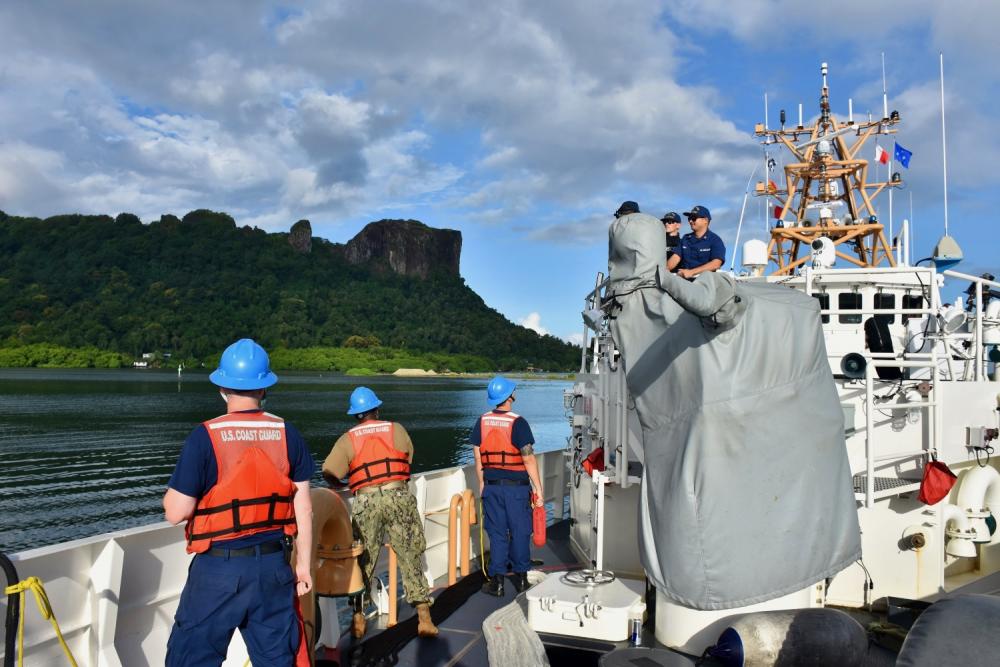
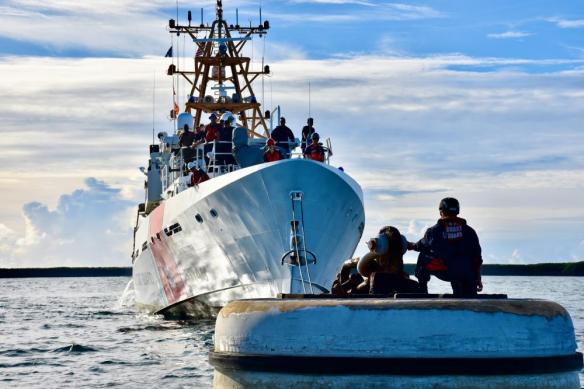
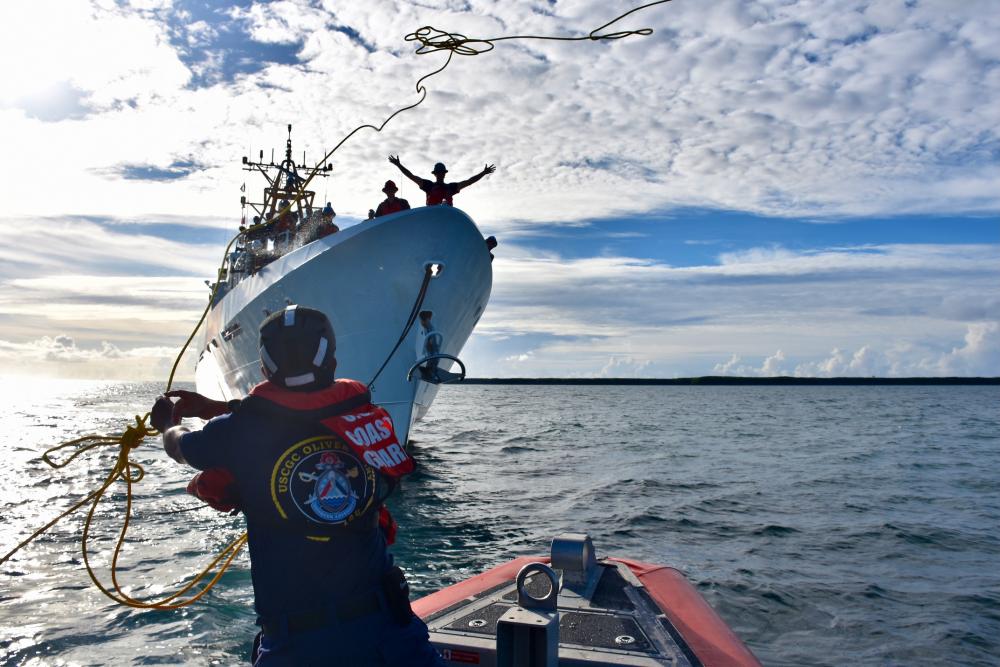
The Sentinel-class fast response cutter USCGC Oliver Henry (WPC 1140) accesses the mooring ball in Apra Harbor Sept. 18, 2022, following more than 16,000 nautical mile patrol through Oceania. The U.S. Coast Guard is conducting a routine deployment in Oceania as part of Operation Blue Pacific, working alongside Allies, building maritime domain awareness, and sharing best practices with partner nation navies and coast guards. Op Blue Pacific is an overarching multi-mission U.S. Coast Guard endeavor promoting security, safety, sovereignty, and economic prosperity in Oceania while strengthening relationships with our regional partners. (U.S. Coast Guard photo Petty Officer 2nd Class Sean Ray Blas)

Below is a press release marking the end of an unusual patrol. We have seen several earlier press releases.

This press release gives us a bit more insight into what it took to make the patrol possible.

The Crew:

Everything I had seen earlier indicated Webber class had a crew of 24, but we have this,

“,,,with a crew of 25 and a lieutenant commanding officer”

The crew was also augmented.

“Guam’s Maintenance Assistance Team/Asset Material Manager leveraged current personnel to fill billet gaps….The Oliver Henry, which has no intrinsic medical personnel, also brought several folks aboard, including a corpsman from the U.S. Navy and a linguist from the U.S. Marine Corps…”We had HS2 Edge from HSWL Juneau and HM3 Hardnett from Naval Hospital Guam, who provided a higher level of care on board as we transited over 8,000 nautical miles down Australia. We also brought Lance Cpl. Mabrie from Hawaii, our Korean linguist aboard…We also brought MK2 Blas and YN2 Blas from Guam, who provided extra help for maintenance, photography, and administration while we were underway.”

Support: It did require something beyond routine parts supply.

“Working with U.S. Coast Guard Base Honolulu ensured the short notice delivery of $100,000 in mission-critical parts to the ship while deployed.”

Lessons Learned: 

This patrol once again demonstrated that the Webber class are exceeding our expectations, but the lessons may be more generally applicable.

It demonstrated that a ship with a crew of less than 30, much less than half that of our smallest WMECs (75 for the Reliance class), can usefully deploy and perform almost anywhere on earth, limited only by the seaworthiness of the cutter. That is not to say that a larger crew does not provide greater resiliance and opportunities to train junior personnel, but it does provide a proven minimum crew for a similarly equipped cutter, regardless of size. To this size crew we can consider the benefits of adding additional personnel for increased redundancy, self-sufficiency, resilience, damage control, training of junior personnel and additional capabilities like operating helicopters, underway replenishment, additional sensors, boats, or weapons, etc.

I think it argues for a class of cutter sized between the Webber class and the Offshore Patrol Cutters that could increase the number of more seaworthy large cutters beyond the 36 planned. Cutters with greater endurance, two boats, a flight deck, and a hangar for helicopter and/or UAS. I think we could do all that, with a crew of 50 or less, Cutter X.

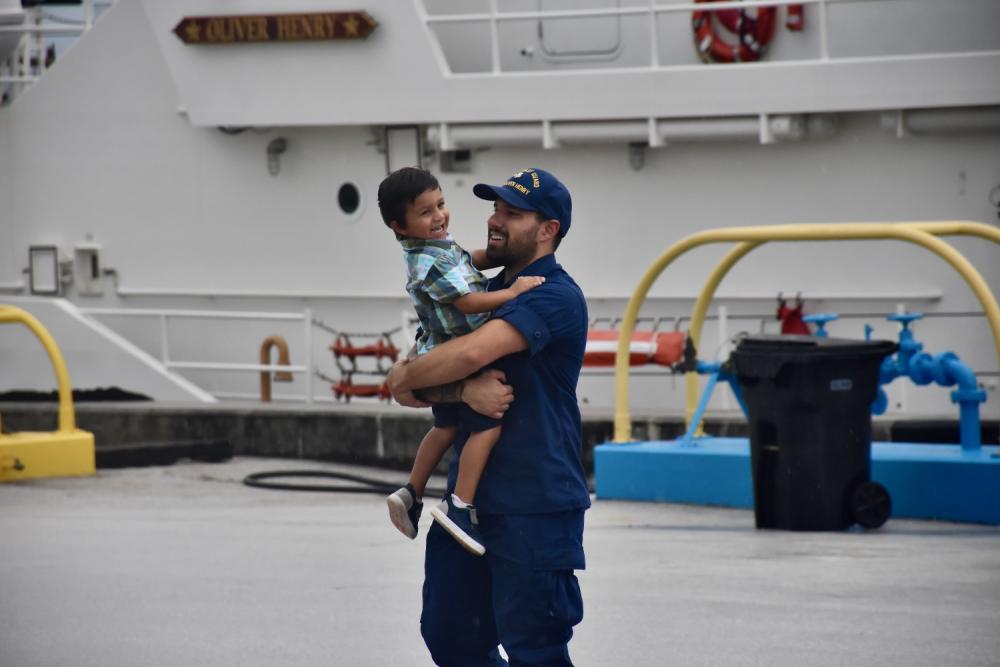
Families greet the crew of the Sentinel-class fast response cutter USCGC Oliver Henry (WPC 1140) as they return to homeport in Apra Harbor Sept. 19, 2022, following a 43-day patrol across Oceania. The U.S. Coast Guard is conducting a routine deployment in Oceania as part of Operation Blue Pacific, working alongside Allies, building maritime domain awareness, and sharing best practices with partner nation navies and coast guards. Op Blue Pacific is an overarching multi-mission U.S. Coast Guard endeavor promoting security, safety, sovereignty, and economic prosperity in Oceania while strengthening relationships with our regional partners. (U.S. Coast Guard photo Petty Officer 2nd Class Sean Ray Blas)

News Release

U.S. Coast Guard Forces Micronesia / Sector Guam

USCGC Oliver Henry (WPC 1140) concludes Operation Blue Pacific expeditionary patrol
Oliver Henry arrives to Apra Harbor Crew of Oliver Henry  Families greet Oliver Henry crew
 Oliver Henry at HMPNGS Tarangau School in Manus, Papua New Guinea Oliver Henry in Pohnpei Oliver Henry in Australia

Editor’s Note: Click on the images above to view or download more including b-roll video.

SANTA RITA, Guam — The Sentinel-class fast response cutter USCGC Oliver Henry (WPC 1140) arrived at homeport in Guam, Sept. 19, following a patrol across Oceania.

“The crew of Oliver Henry just completed a 43-day historic patrol across Oceania, where we patrolled and visited ports in the Federated States of Micronesia, Papua New Guinea, and Australia. We also patrolled the exclusive economic zones of those countries and Solomon Islands during our time,” said Lt. Freddy Hofschneider, commanding officer of Oliver Henry. “Our trip was significant in that we validated the capability of the fast response cutters homeported here in Apra Harbor, Guam, showing what we can do to promote regional stability in terms of fisheries and continue to build a better relationship with our regional partners.

The crew conducted training, fisheries observations, community and key leader engagements, and a multilateral sail. They covered more than 16,000 nautical miles from Guam to Cairns, Queensland, Australia, and returned with several stops in Papua New Guinea and one in the Federated States of Micronesia.

“The fact that we can take these 154-foot ships with a crew of 25 and a lieutenant commanding officer and push them so far over the horizon, even as far as Australia — which is what Oliver Henry just did — is an incredible capability for the region,” said Capt. Nick Simmons, commander U.S. Coast Guard Forces Micronesia/Sector Guam. “I’m proud of the work the Oliver Henry did, the resiliency of the crew deployed for 43 days, and they pulled off a variety of firsts – like first-time port calls in a couple of places like Papua New Guinea and Australia. Even more than that, I am proud of the resilience of the families. Not just the families of Oliver Henry but all the families here to support them and our local community here in Guam.”

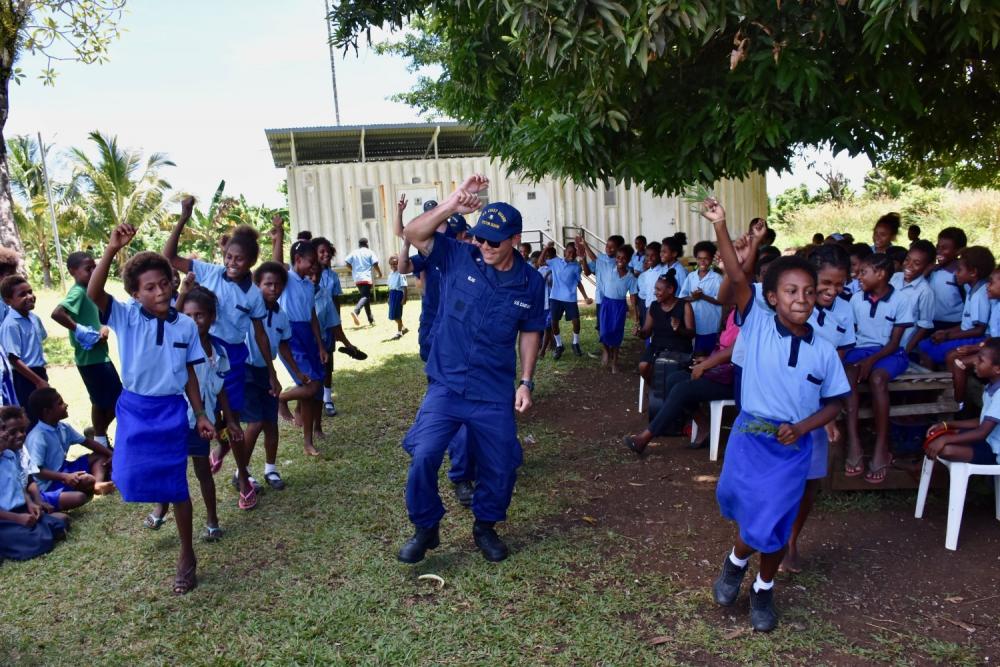
In Papua New Guinea, the crew spent time on Manus Island and Port Moresby. They visited HMPNGS Tarangau School, spent time in the community, and engaged with Papua New Guinea Defence Force and local officials.

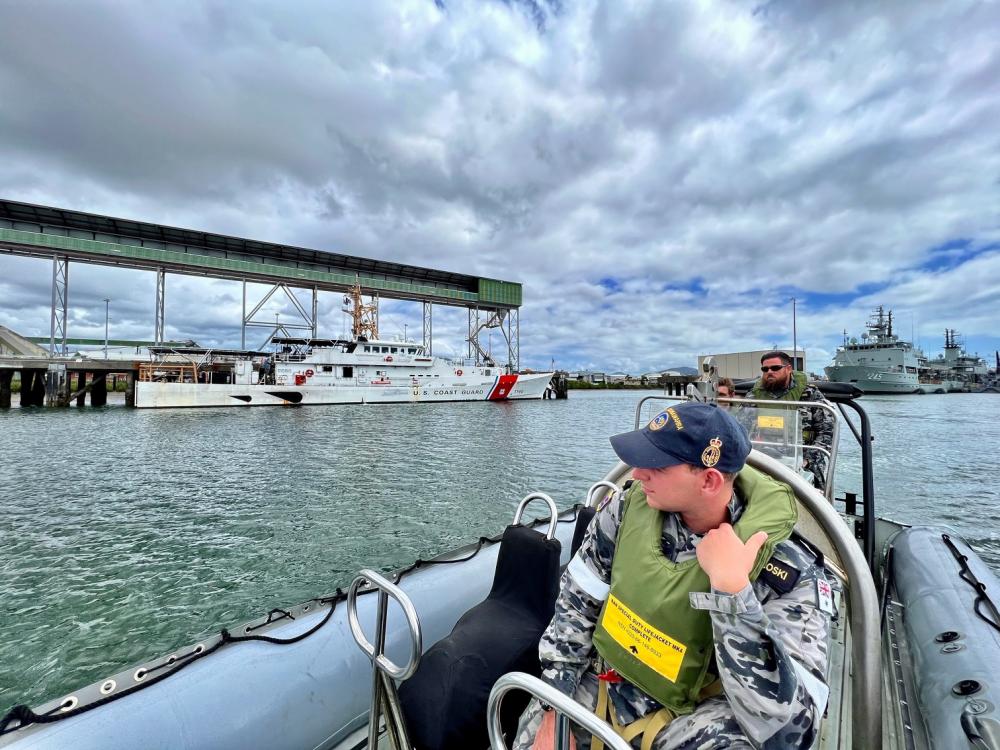
In Cairns, they conducted engagements with Australian Defence and Home Affairs partners, the mayor of Cairns, and Cairns Regional Council representatives. They also took time to engage with the International Marine College. Upon departure, they participated in a multilateral formation sail with crews from Australia and Fiji as the other ships departed for Exercise Kakadu off Darwin.

During their stop in Pohnpei, Oliver Henry’s crew hosted the U.S. Embassy team and an FSM National Oceanic Resource Management Authority – Fisheries Compliance Division representative to cover patrol highlights and future opportunities. The Oliver Henry commanding officer visited the FSM National Police Maritime Wing headquarters to discuss multilateral efforts. Finally, members of the cutter’s engineering team conducted a subject matter expert exchange with the crew of FSS Palikir, the last active Pacific-class patrol boat, on shipboard repairs and preventative maintenance.

While not the most extended transit for these cutters, this patrol does emphasize the Service’s capability and willingness to project into the far reaches of Oceania. The U.S. Coast Guard maintains strong partnerships with the maritime forces in the region through extensive training and subject matter expert exchanges. The U.S. Coast Guard conducts routine deployments in Oceania as part of Operation Blue Pacific, working alongside Allies, building maritime domain awareness, and sharing best practices with partner nation navies and coast guards. Op Blue Pacific seeks to strengthen partnerships and execute a mission to support maritime governance and the rule of law in the region.

This patrol was possible thanks to vital shoreside support for logistics and an augmented crew. Guam’s Maintenance Assistance Team/Asset Material Manager leveraged current personnel to fill billet gaps. Working with U.S. Coast Guard Base Honolulu ensured the short notice delivery of $100,000 in mission-critical parts to the ship while deployed. The Oliver Henry, which has no intrinsic medical personnel, also brought several folks aboard, including a corpsman from the U.S. Navy and a linguist from the U.S. Marine Corps.

“We had HS2 Edge from HSWL Juneau and HM3 Hardnett from Naval Hospital Guam, who provided a higher level of care on board as we transited over 8,000 nautical miles down Australia. We also brought Lance Cpl. Mabrie from Hawaii, our Korean linguist aboard, doing sighting reports inside of other countries’ EEZs and high seas pockets,” said Lt. j.g. Marissa Marsh, executive officer on Oliver Henry. “We also brought MK2 Blas and YN2 Blas from Guam, who provided extra help for maintenance, photography, and administration while we were underway. It felt like they’d been here since day one, and the crew enjoyed the extra help; they had a good time sailing with us.”

The Oliver Henry is the 40th Sentinel-class fast response cutter. The ship was commissioned along with its sister ships, Myrtle Hazard (WPC 1139) and Frederick Hatch (1143), in Guam in July 2021. These cutters are a vital part of the U.S. Coast Guard’s enduring regional presence serving the people of the Pacific by conducting 10 of the Service’s 11 statutory missions with a focus on search and rescue, defense readiness, living marine resources protection, and ensuring commerce through marine safety and ports, waterways, and coastal security.

For more U.S. Coast Guard Forces Micronesia/Sector Guam news, visit us on DVIDS or subscribe! You can also visit us on Facebook at @USCGForcesMicronesia.

“Turkish Dearsan Lays Keel Of First Of Two OPVs For Nigeria” –Naval News

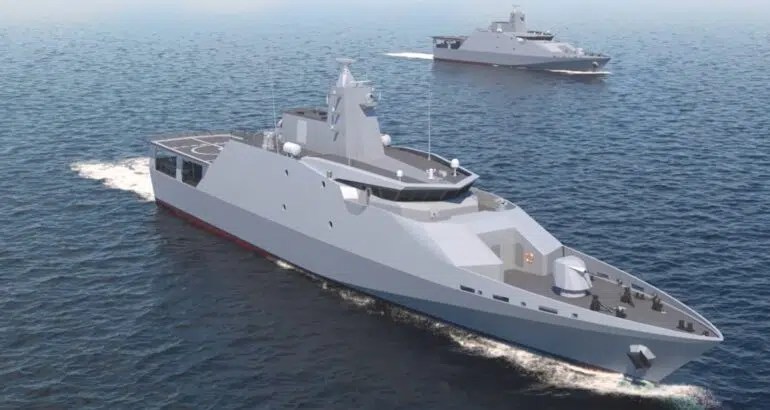
Rendering of HE OPV-76 vessels (Screenshot from Dearsan video–via Naval News)

Naval News reports,

Turkish Dearsan Shipyard laid the keel of the first of two high-endurance offshore patrol vessels (HE OPV 76) for the Nigerian Navy during a ceremony held at Dearsan’s facilities in Istanbul on September 16, 2022.

Turkey is becoming an increasingly capable and respected arms supplier and shipbuilder.

With a population of over 218 million, Nigeria is the most populous country in Africa and the sixth most populous in the world.

The Nigerian Navy and Coast Guard has an eclectic fleet sourced from the US, Europe, China, and Israel, along with some locally built small craft. They currently operates two of the former USCG 378 foot high endurance cutters which are their largest fully operational ships. Reportedly they also have four former USCG 180 foot buoy tenders and 15 USCG type “Defender class” Response Boat, Small.

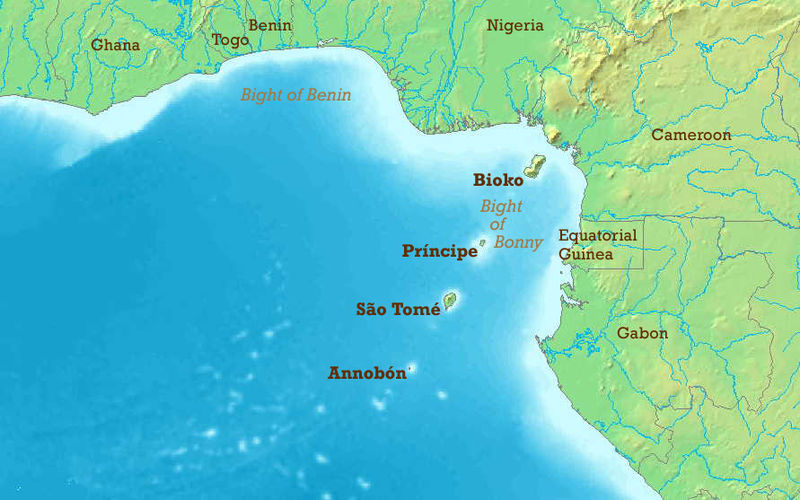
Gulf of Guinea, from Wikipedia

Nigeria’s territorial sea and EEZ is relatiely small, less than 2% that of the US, but their marine environment is complex with a history of piracy and smuggling, with many countries in and around the Gulf of Guinea complicating jurisdiction.

The New OPVs:

We talked about these ships earlier.

There have been some, mostly minor changes in the specs:

The reported displacement is likely to be light displacement since, these ships are considerably larger than the 1,127 ton full load Reliance class and nearly as large as the 1,800 ton Bear class. Given their range, they don’t carry a lot of fuel, so I would expect about 1,500 tons full load.

The armament is lighter than initially reported (earlier reports indicated 76mm + 40mm +  MBDA Simbad RC systems for Mistral short range surface to air missiles). The electronics also appear to have been simplified. This was probably a cost saving measure, but the ships remain better armed than most OPVs of comparable size, in that they have two medium caliber guns rather than just one, probably a good idea. The provision for at least three, probably four, electro optic devices mounted on the weapon stations mean they are particularly well provided for in this respect.

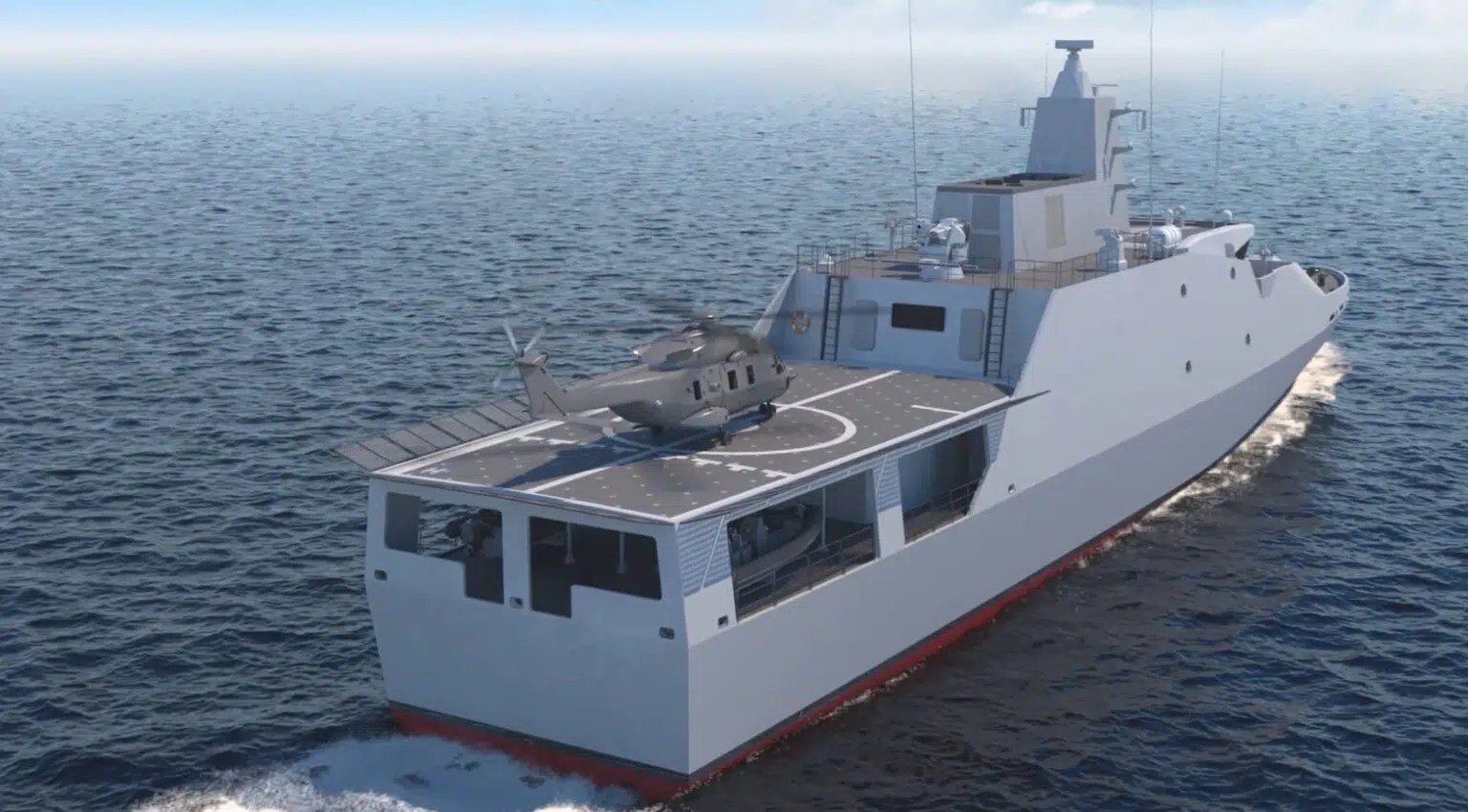
Back view of the HE OPV-76 rendering while conducting helo ops (Screenshot from Dearsan video–via Naval News)

We see an illustration of what the stern of the ship looks like. No hangar is provided.

There might be an issue with the boat handling arrangement. Boats are visible under the flight deck, but neither davits nor stern ramps are really visible. Looks like stanchions and the centerline support at the transom preclude a single centerline boat launch ramp like the NSCs have.

Twin launch ramps also appear unlikely. There no visible ramp doors, and the RHIBs we can see do not appear to be on an incline.

Arms might extend outward from under the flight deck to act as davits. If that is the case, with the boats so far aft of the center of pitch, there may be difficulties when the ship is pitching. That may require them to seek a heading that will minimize pitch, just as cutters with stern ramps do, when the boat returns to the cutter, but with the boats being suspended during launch and recovery, they would also want to minimize roll.

“Coast Guard arrests boater near Venice, Louisiana” After Firing on CG Helicopter –D8

Fortunately this sort of thing does not happen very often. 

News Release

U.S. Coast Guard 8th District Heartland

Coast Guard arrests boater near Venice, Louisiana

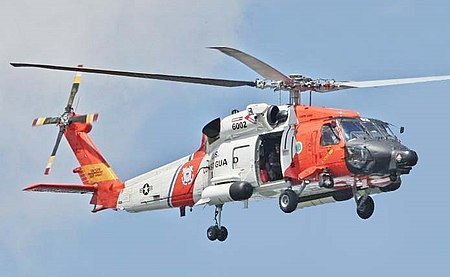
NEW ORLEANS— Coast Guard Investigative Service arrested a boater near Venice, Louisiana, Friday who allegedly fired a weapon at a Coast Guard rescue helicopter.

Coast Guard Eighth District watchstanders initially received a distress signal early Thursday morning from an activated emergency position indicating radio beacon (EPIRB) belonging to a 40-foot sailing vessel approximately 75 miles south of Southwest Pass, Louisiana. Watchstanders coordinated the launch of a Coast Guard Air Station New Orleans MH-60 aircrew to respond.

Upon arriving on scene, the aircraft attempted to lower a radio down to the vessel and observed one person and two dogs aboard the vessel. The person then pointed what appeared to be a firearm at the helicopter. The aircrew heard objects striking the aircraft and immediately departed the scene due to aircraft and crew safety concerns. Upon  returning to Air Station New Orleans, the aircrew observed impacts to the helicopter rotors consistent with projectiles from a firearm.

The Coast Guard then dispatched a fixed-wing aircraft, a cutter with Coast Guard Investigative Service (CGIS) and Federal Bureau of Investigation agents aboard, and a 45-foot Response Boat- Medium (RB-M) boatcrew to track the vessel’s movement. Additionally, Coast Guard units remained in the vicinity of the vessel to ensure the protection of nearby mariners.

On Friday morning, the Coast Guard took the person into custody without incident. The person was successfully transported to Venice, Louisiana, and transferred to CGIS.

“Safety of life was our number one priority during this challenging incident,” said Lt. Phillip VanderWeit, spokesperson for the Eighth Coast Guard District. “Through the professional and skillful work of our crews and interagency partners, we were able to bring this incident to a peaceful resolution. The Coast Guard will continue to work across multiple levels of government to thoroughly investigate this incident.”

The incident remains under investigation.

“Coast Guard offloads more than $475 million in illegal narcotics in Miami” –LANTAREA

HNLMS Groningen’s crew interdicts a suspected drug boat in the Caribbean Sea, Sept. 27, 2020. HNLMS Groningen is a Holland-class offshore patrol vessel operated by the Royal Netherlands Navy. (Royal Netherlands Navy photo)

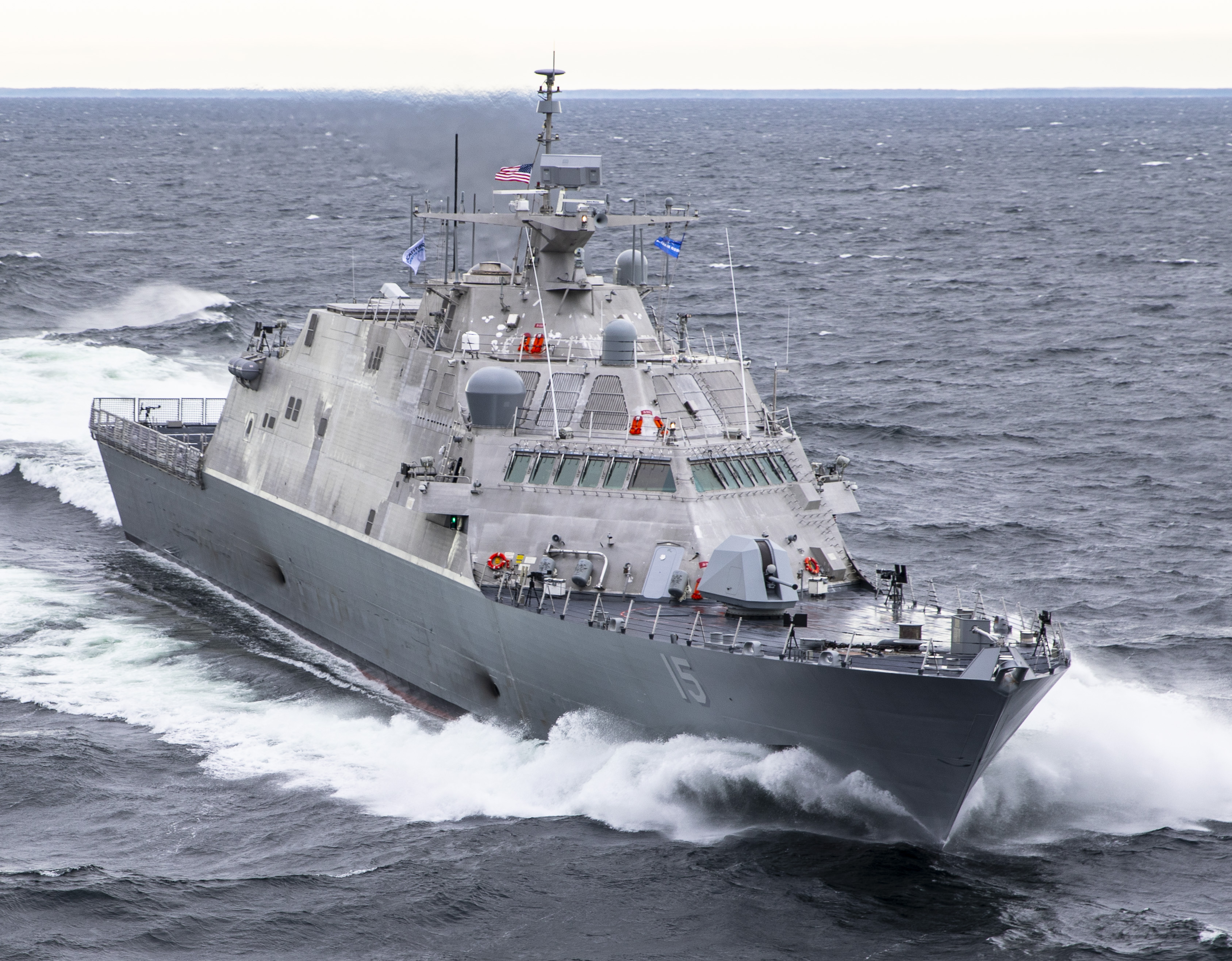
Below is a news release from USCG Atlantic Area. What I found notable was the participation of a Netherlands OPV and a USN Freedom class LCS. (No not the first time ships of these classes have been used for drug interdiction.)

The Holland class OPVs are very similar, in general terms, to the Offshore Patrol Cutters.

I expect Dutch participation to continue, but if the Navy gets their way, there will be a lot fewer LCSs.

181206-N-N0101-028, MARINETTE, Wis. (Dec. 6, 2018) The future littoral combat ship USS Billings (LCS 15) conducts acceptance trials on Lake Michigan, Dec. 6, 2018. (U.S. Navy photo courtesy of Marinette Marine/Released)

News Release

U.S. Coast Guard Atlantic Area

Coast Guard offloads more than $475 million in illegal narcotics in Miami

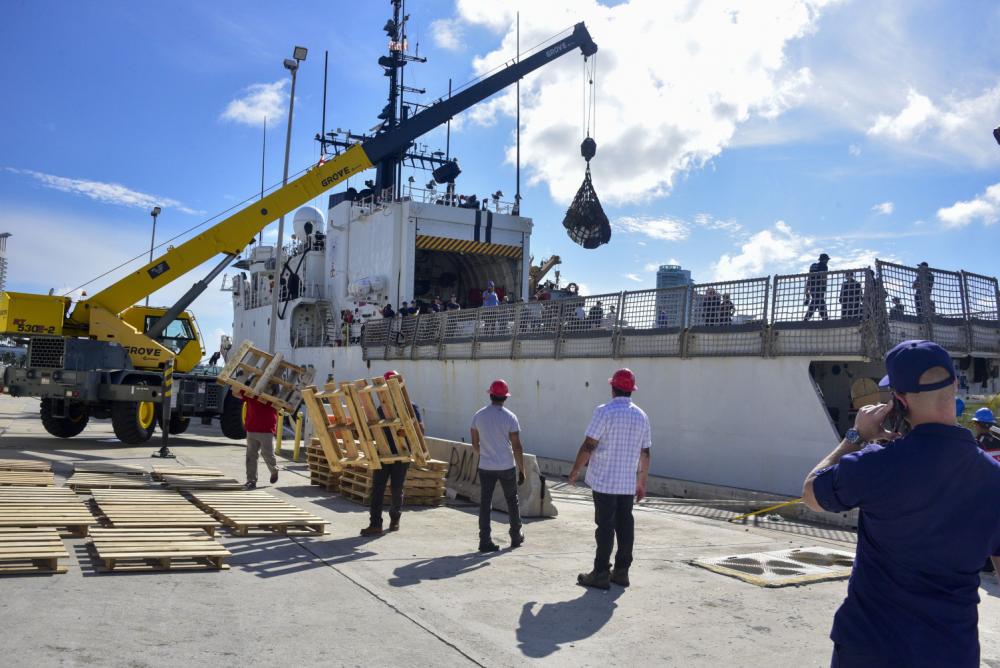
A U.S. Coast Guard member offloads suspected narcotics from USCGC Legare in Miami, FloridaSuspected narcotics are removed via crane from USCGC Legare in Miami, Florida

Editors’ Note: To view more or download high-resolution imagery, click on the photos above.

MIAMI — The crew of the USCGC Legare (WMEC 912) offloaded approximately 24,700 pounds of cocaine and 3,892 pounds of marijuana, worth an estimated $475 million, Thursday at Base Miami Beach.

The drugs were interdicted in the international waters of the Caribbean Sea and the Eastern Pacific Ocean by crews from:

“I am proud of the crew’s continued devotion to duty that made this offload possible,” said Cdr. Jeremy M. Greenwood, commanding officer of Legare. “Through the coordinated efforts of the Legare, the LEDETs, HNLMS Groningen, CGC James, and the USS Billings crews, we significantly contributed to the counter-drug mission and the dismantling of transnational criminal organizations. The drugs seized through this coordinated effort will result in significantly fewer drug-related overdoses.”

The fight against drug cartels in the Caribbean Sea and Eastern Pacific Ocean, and the transnational criminal organizations they are associated with, requires a unity of effort in all phases; from detection and monitoring to interdiction and apprehension, and on to criminal prosecutions by international partners and U.S. Attorneys’ Offices in districts across the nation.

Detecting and interdicting illegal drug traffickers on the high seas involves significant interagency and international coordination. The Joint Interagency Task Force South in Key West, Florida conducts detection and monitoring of aerial and maritime transit of illegal drugs. Maritime interdiction of illicit smuggling activity in the Caribbean Sea is coordinated by the Seventh Coast Guard District, headquartered in Miami. The Dutch Caribbean Coast Guard also coordinates maritime interdiction of illicit smuggling activity with deployed Royal Netherlands Navy ships and their embarked Dutch Fleet Marine Corps squadrons and U.S. Coast Guard LEDETs in the Eastern Caribbean Sea near the Netherlands Antilles and Aruba. Maritime interdiction of illicit smuggling activity in the Eastern Pacific Ocean is coordinated by the Eleventh Coast Guard District, headquartered in Alameda, California. The U.S. Navy and allied foreign ships conduct law enforcement missions under the authority of embarked Coast Guard LEDETs from Tactical Law Enforcement Teams based in Miami and San Diego.

The Legare is a 270-foot Famous-class medium endurance cutter stationed in Portsmouth, Virginia. Legare’s missions include Law Enforcement, Search and Rescue, Protection of Living Marine Resources, Homeland Security and Defense Operations, international training, and humanitarian operations. Legare patrols the offshore waters from Maine to Florida, the Gulf of Mexico, the Eastern Pacific, and the Caribbean.

For information on how to join the U.S. Coast Guard, visit www.GoCoastGuard.com to learn more about active duty and reserve officer and enlisted opportunities. Information on how to apply to the U.S. Coast Guard Academy can be found at www.uscga.edu.

“U.S. Coast Guard conducts port visit in Federated States of Micronesia” –CG Forces Micronesia

USCGC Oliver Henry hosts U.S. Embassy team in Pohnpei

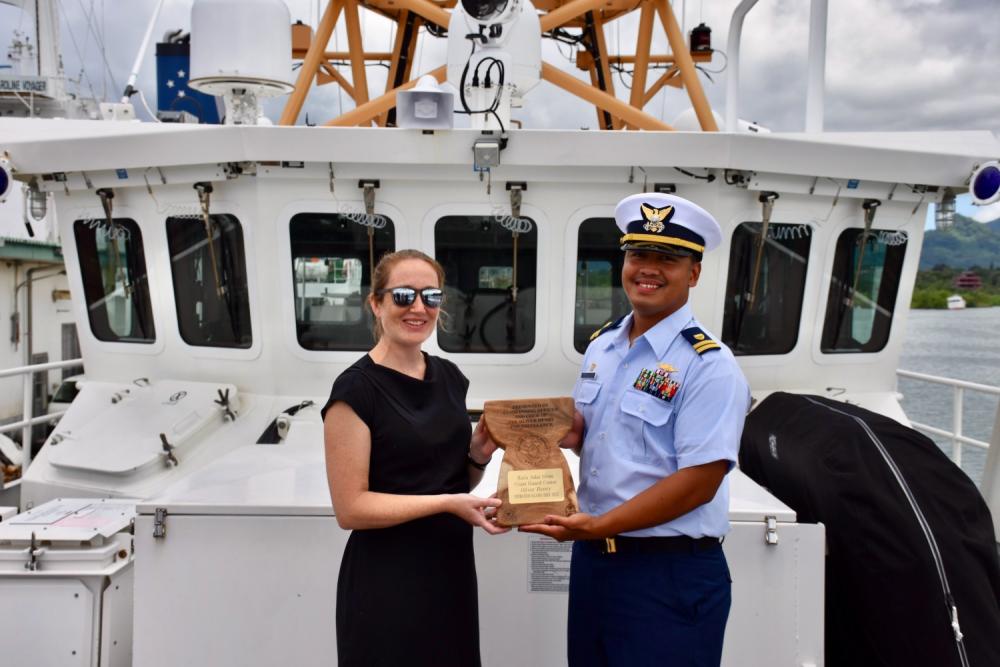
The crew of USCGC Oliver Henry (WPC 1140) host Chargé d’affaires Alissa Bibb and her team aboard upon arrival in Pohnpei, Federated States of Micronesia, on Sept. 14, 2022. Following stops in Australia and Papua New Guinea, we’ve been patrolling to deter illicit maritime activity — most recently, to counter illegal, unregulated, and unreported fishing in the territorial waters of the Federated States of Micronesia to assist in ensuring FSM’s sovereignty, resource security, and the rule of law. (U.S. Coast Guard photo by USCGC Oliver Henry)

Passing along this news release from Forces Micronesia/Sector Guam. It includes some history of previous operations in the area and illustrates connections made through the Academy.

News Release

U.S. Coast Guard Forces Micronesia / Sector Guam

U.S. Coast Guard conducts port visit in Federated States of Micronesia

USCGC Oliver Henry arrives to Pohnpei USCGC Oliver Henry hosts Charge d'Affairs FSM USCGC Oliver Henry hosts FSM National Oceanic Resource Management Authority – Fisheries Compliance Division Assistant Director

Editor’s Note: Click on the images above to view or download more.

POHNPEI, Federated States of Micronesia — The Sentinel-class fast response cutter USCGC Oliver Henry (WPC 1140) crew conducted a port visit in Kolonia on Sept. 14 – 16, following a patrol across Oceania encompassing the Coral Sea and the exclusive economic zones of Papua New Guinea and Federated States of Micronesia.

This port visit marks the sixth stop while conducting operations in the Indo-Pacific theater, following several stops across Papua New Guinea and one in Australia, part of Operation Blue Pacific.

During their stop in Pohnpei, Oliver Henry’s crew hosted Chargé d’Affairs Alissa Bibb and her team and Assistant Director Youky Susaia Jr. of the FSM National Oceanic Resource Management Authority – Fisheries Compliance Division. Thye covered patrol highlights and discussed future opportunities. Susaia Jr. is also a 2020 graduate of the U.S. Coast Guard Academy and a classmate of Oliver Henry’s executive officer.

The Oliver Henry commanding officer visited the FSM National Police Maritime Wing headquarters for an office call with Cmdr. Steward Peter to discuss multilateral efforts. Finally, members of the cutter’s engineering team conducted a subject matter expert exchange with the crew of FSS Palikir, the last active Guardian-class patrol boat, on shipboard repairs and preventative maintenance.

“We appreciate the time and support from our Federated States of Micronesia partners and look forward to furthering our shared commitment towards living marine stewardship and maritime security,” said Lt. Freddy Hofschneider, Oliver Henry’s commanding officer. “As a proud Micronesian, it was an honor and privilege to revisit Pohnpei, especially knowing that the crew truly enjoyed their time around the island to immerse themselves in the deeply rooted culture and experience such a beautiful place.”

The U.S. Coast Guard maintains strong partnerships with the maritime forces in the region through extensive training and subject matter expert exchanges. FSM, also known as the Big Ocean State, has one of the world’s largest exclusive economic zones, with waters rich in sea life. FSM consists of four states —Pohnpei, Chuuk, Yap, and Kosrae—each has a mix of unique peoples, languages, and cultures and a total of more than 600 islands. FSM is a signatory to a Compact of Free Association with the United States. They are also a Pacific Islands Forum Fisheries Association member and a party to the South Pacific Tuna Treaty.

The U.S. Coast Guard’s cutter fleet was last in the FSM in May, when the USCGC Myrtle Hazard (WPC 1139) made a contactless crew rest and re-fueling stop during their expeditionary patrol across Oceania. In December 2021, USCGC Sequoia (WLB 215), working alongside the Navy’s Underwater Construction Team Two (UCT-2), conducted operations to widen the channel at Kapingamarangi Atoll, which narrowed due to marine overgrowth. U.S. Coast Guard Forces Micronesia/Sector Guam also provides search and rescue support to FSM.

The U.S. Coast Guard is conducting a routine deployment in Oceania as part of Operation Blue Pacific, working alongside Allies, building maritime domain awareness, and sharing best practices with partner nation navies and coast guards. Op Blue Pacific seeks to strengthen partnerships and execute a mission to support maritime governance and the rule of law in the region. To this, we must understand, measure, and articulate regional influences and relationships and provide our crews with the best operational assets and support to get the mission done safely and return.

The 154-foot Oliver Henry is the 40th Sentinel-class fast response cutter. The ship was commissioned along with its sister ships, Myrtle Hazard and Frederick Hatch, in Guam in July 2021. In the time since, the crew has participated in several search and rescue cases, completed a counternarcotics patrol off Guam with the Japan Coast Guard patrol vessel Mizuho, and conducted sovereignty and fisheries patrols in the Forces Micronesia/Sector Guam area of responsibility.

For more U.S. Coast Guard Forces Micronesia/Sector Guam news, visit us on DVIDS or subscribe! You can also visit us on Facebook at @USCGForcesMicronesia.

“Coast Guard could see more funding in new Senate legislation to help face Arctic challenges from Russia and China” –Stars and Stripes

USCG Cutter Bear transits out of Torngat National Park, Canada, on Aug. 9, 2022. The Bear was partaking in the Tuugaalik phase of Operation Nanook, an annual exercise that allows the United States and multiple other partner nations to ensure security and enhance interoperability in Arctic waters. (Matthew Abban/U.S. Coast Guard)

This isn’t through the budgeting process, but it is more indication of the Congress’ bipartisan support for the Coast Guard. Seems likely much of this will be incorporated in the final budget.

Stars and Stripes reports on action by the Senate Committee on Commerce, Science and Transportation, that would provide money for the third Polar Security Cutter, establish an Arctic Security Cutter program, and provide “more options for child care, better access to affordable housing and expanded medical care and education opportunities…”

The bill would authorize $14.94 billion for the service for fiscal 2023, which begins Oct. 1. It would amount to a 21.5% budget increase from fiscal 2021.

The bill would support greater Arctic presence, combat IUU fishing, and improve polution response.

“U.S. Coast Guard conducts high seas boarding for first time in the South Pacific Regional Fisheries Management Organization Convention Area” –District 11

A U.S. Coast Guard member raises the South Pacific Regional Fisheries Management Organization (SPRFMO) flag on the Coast Guard Cutter James (WSML 754) in the Eastern Pacific, July 29, 2022. The Coast Guard completed a counter-illegal, unreported and unregulated (IUU) fishing operation for the first time under the SPRFMO. (U.S. Coast Guard photo)

Below is a news release from District 11 (HQ Alameda, CA). This looks like it may be the leading edge of new major commitment.

SPRFMO covers a huge area, “about a fourth of the Earth’s high seas areas.” See page 6 and the chart on page 50: Convention on the Conservation and Management of High Seas Fishery Resources in the South Pacific Ocean

There are currently sixteen members of the South Pacific Regional Fisheries Management Organisation:

– Australia                                                – Republic of Chile
– People’s Republic of China                   – Cook Islands
– Republic of Cuba                                  – Republic of Ecuador
– European Union                                    – Kingdom of Denmark  in
respect of  the Faroe Islands
– Republic of Korea                                 – New Zealand
– Republic of Panama                             – Republic of Peru
– Russian Federation                              – Chinese Taipei
– The United States of America              – Republic of Vanuatu

Since the EU is a member, the number of states represented is actually much higher.

News Release

U.S. Coast Guard 11th District Pacific Southwest

U.S. Coast Guard conducts high seas boarding for first time in the South Pacific Regional Fisheries Management Organization Convention Area

Editor’s Note: Click on images above to download full-resolution version.

ALAMEDA, Calif. — The Coast Guard recently completed an operation to counter illegal, unreported, and unregulated (IUU) fishing, within the South Pacific Regional Fisheries Management Organization (SPRFMO) Convention area.

The SPRFMO Convention area covers nearly a fourth of the Earth’s high seas. The SPRFMO Commission consists of 16 members from Asia, Europe, the Americas, and Oceania as well as three cooperating non-contracting parties. In 2015, the members adopted a high seas boarding and inspection measure, which allowed the United States and all SPRFMO Members to board and inspect other SPRFMO Members fishing vessels, and record any suspected violations of SPRFMO conservation measures. The results of any such boarding by the U.S. Coast Guard, including any suspected infractions, are submitted to the SPRFMO Secretariat and the flag state of the boarded vessel for further investigation and action, as appropriate.

The Coast Guard has carried out counter-IUU fishing operations in other regional fisheries management organization areas for years. IUU Fishing has replaced piracy as the leading global maritime security threat. The recent operation against IUU fishing in the Eastern Pacific Ocean marked the first time in which the Coast Guard conducted high seas boardings and inspections under SPRFMO.

This effort also demonstrated the successful use by the United States of the high seas boarding and inspection procedures outlined in the 1995 United Nations Fish Stocks Agreement – which SPRFMO adopted in 2015 – to ensure the long-term conservation and sustainable use of straddling fish stocks.

“U.S. Coast Guard presence south of the Galapagos Islands beyond Ecuador’s EEZ provided an effective presence in a difficult to reach region,” said Capt. Jim O’Mara, chief of enforcement, Coast Guard Eleventh District. “The planning and execution of the mission represented a whole-of-government approach to countering IUU fishing. Moving forward, we will build on the success of this operation and continue expanding cooperation with all our partners.”  

The areas beyond any country’s exclusive economic zone are areas often exploited by fishermen engaged in IUU fishing, as they fish beyond the reach of most law enforcement entities. The Coast Guard’s operation directly supported Central and South American partnerships and their desires to monitor and enforce sustainable fishing activity near their exclusive economic zones, and expanded maritime domain awareness and information sharing throughout the newly expanded Eastern Tropical Pacific Marine Corridor.

The Coast Guard’s actions ensured law enforcement presence among a substantial fleet of more than 400 fishing and transshipment vessels. Much of the fishing in the Eastern Pacific is accomplished by distant water fishing vessels, in many cases supported by transshipment vessels. These large-scale operations traverse the world’s oceans, and can involve forced labor, human trafficking, and other human rights abuses, as well as maritime pollution. With their vast numbers operating in close proximity to one another, these distant water-fishing fleets may also have a significant impact on such environmentally sensitive waters as those of the Galapagos Islands, home to a vulnerable ecosystem.

Enforcing the rules of regional fisheries management organizations is about sharing the responsibility for protecting vulnerable fish stocks, the economic stability of coastal nations, the livelihoods of small-scale and artisanal fishermen, and protecting our ocean resources that feed global populations and fuel economies.

“Deploying our most capable national security cutters to the Eastern Pacific to detect and deter IUU fishing in the SPRFMO Convention Area for the second time this year is a clear signal of the U.S. commitment to support what is truly a global mission,” said Rear Adm. Andrew Sugimoto, commander, Coast Guard Eleventh District. We will continue to build on these partnerships, and leverage our unique authorities and capabilities to advance stability, security, and order in the maritime domain.”

How Much Do Those Drones Cost?

The Coast Guard is equipping its National Security Cutters with Scan Eagle Unmanned Air Systems (UAS), but has yet to buy the systems. The deployed systems are contractor owned and operated. Should the Coast Guard decide to buy these systems we have a rough indication of the going rate. The RQ-21, referred to in the contract reported below, are similar in concept to the Scan Eagle, but a bit larger (135 pounds max takeoff weight vs 58 pounds).

This from the U.S. Department of Defense Daily Digest Bulletin, Contracts for Sept. 14, 2022.

Insitu Inc., Bingen, Washington, is awarded a $191,835,973 firm-fixed-price modification (P00002) to a previously awarded indefinite-delivery/indefinite-quantity contract (N0001922D0038). This modification adds scope to procure 13 RQ-21A Blackjack air vehicles, 25 ScanEagle air vehicles, 48 RQ-21A and ScanEagle payloads and turrets, support equipment, spares and sustainment spares and tools in support of RQ-21A Blackjack and ScanEagle unmanned aircraft platforms for the Navy, Marine Corps, and Foreign Military Sales customers.  Work will be performed in Bingen, Washington (88%); and various locations outside the continental U.S. (12%), and is expected to be completed in June 2026. No funds will be obligated at the time of award; funds will be obligated on individual orders as they are issued.  The Naval Air System Command, Patuxent River, Maryland, is the contracting activity.

It would not be unusual for the Coast Guard to piggy back on a DOD contract to procure these systems.

I can understand the Coast Guard’s decision to contract out rather than buy, because the technology has been moving incredibly fast. At some point in the not too distant future, we should have useful UAS operating from all our patrol vessels down to the Webber Class.

Scan Eagle approaching a ship for its first autonomous recovery, using the Skyhook system. This shows how even very small ships can operate these systems.